
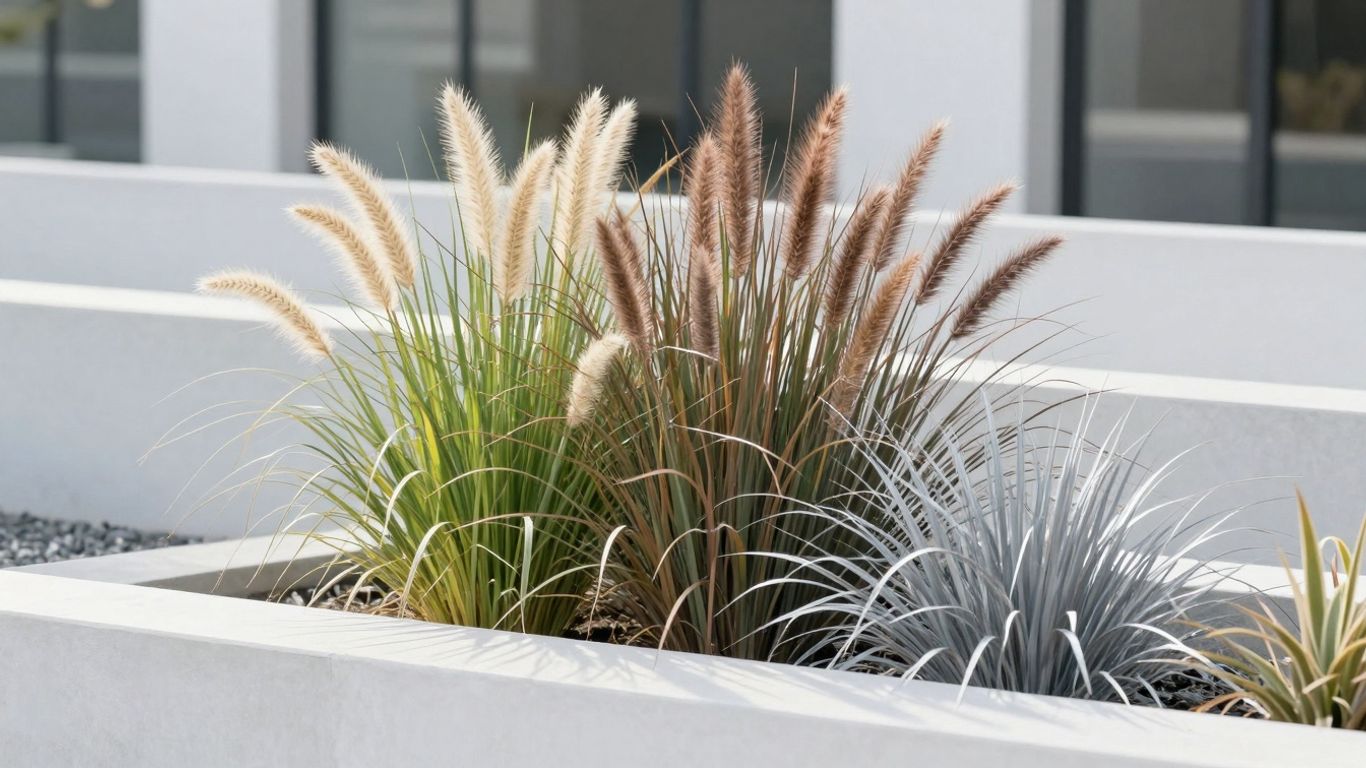
So, you’re thinking about sprucing up your yard with some ornamental grass? Good idea. These plants are way more than just filler; they bring a whole lot of texture and movement to a space. Whether you’re going for that super clean, modern look or something a bit more relaxed, ornamental can totally work. Plus, they’re not fussy, which is always a win. Let’s get into what makes them so great for today’s gardens.
Key Takeaways
- They offer a fantastic way to add texture, movement, and year-round visual interest to modern landscapes.
- They are known for being low-maintenance, drought-tolerant, and adaptable to various garden styles, from minimalist to bohemian.
- Grasses can be used in many ways: as focal points, in mass plantings, to soften hardscaping, or to create natural privacy screens.
- Choosing the right grass depends on your climate, soil conditions, and the desired size and growth habit for your space.
- From cool-season to warm-season varieties, there’s a grass suited for almost any garden need, including containers and rain gardens.
What is Ornamental Grass?
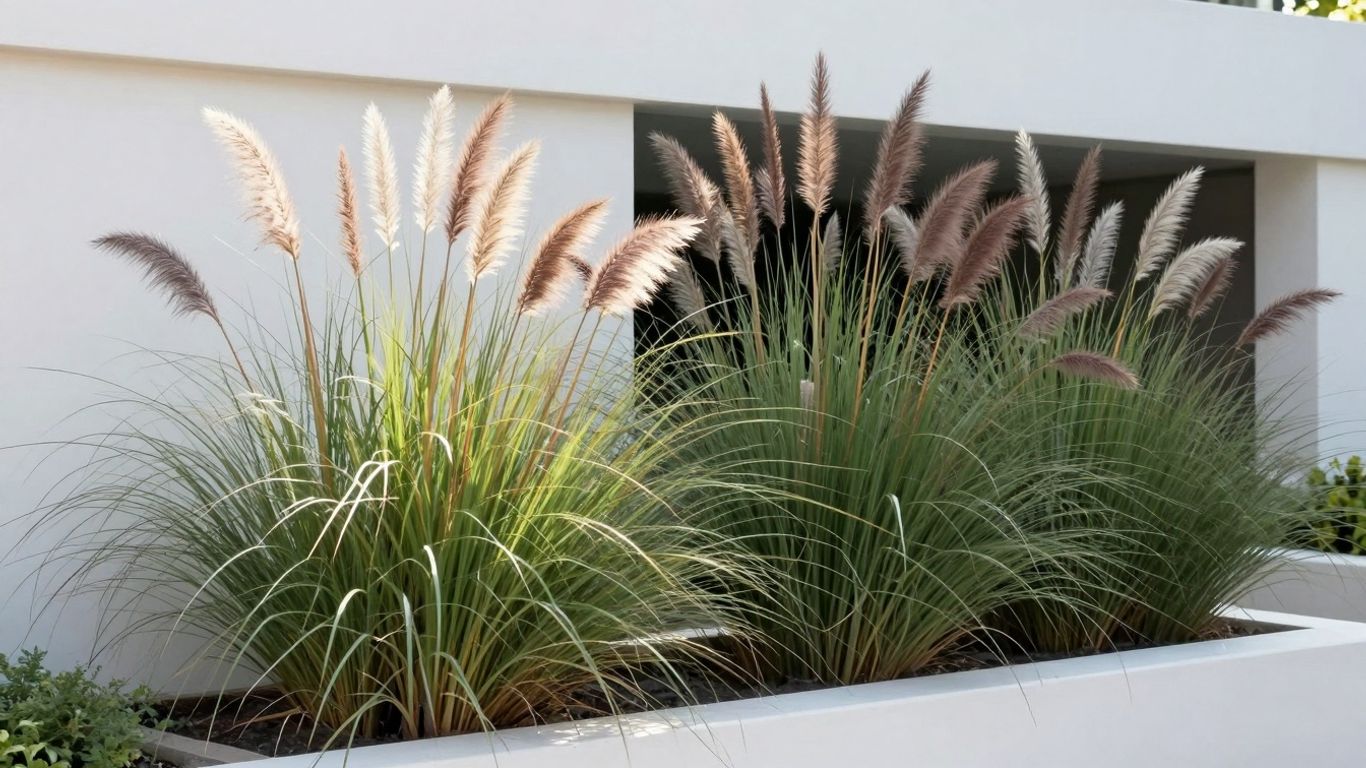
So, what exactly are these things called ornamental grasses? Basically, they’re a group of grass species that people grow for their good looks rather than for food or to make things like hay. Think of them as the stylish celebrities of the plant world. They bring a whole lot of texture and movement to a garden, and honestly, they can look good in pretty much any kind of yard, from a super modern setup to something more traditional.
These aren’t your average lawn grasses, though. They come in all sorts of shapes and sizes, from tiny little tufts to big, dramatic clumps that can get pretty tall. Some have fine, wispy leaves, while others have broader blades. And the colors! You’ve got your greens, blues, reds, and even variegated types with stripes.
One of the best things about these grasses is how they change throughout the year. They start out looking fresh in the spring, fill out nicely in the summer, and then really steal the show in the fall with their changing colors and feathery seed heads. Even in winter, they offer a cool, structural element.
They are super versatile plant that can be used in so many ways in your Ottawa landscaping. You can plant them in beds, use them as focal points, or even line them up to create a natural screen. They’re also pretty forgiving, which is a big plus for most gardeners.
They add a unique kind of beauty that you just don’t get from a lot of other plants. It’s that gentle sway in the breeze that really makes them special.
Here are a few common types you’ll see:
- Fountain Grass: Known for its arching, fountain-like habit and fluffy plumes.
- Feather Reed Grass: Often has upright, feathery flower spikes and a tidy, clumping form.
- Switchgrass: Offers upright growth with airy flower clusters and good fall color.
- Millet: Features attractive, often colorful, bottlebrush-like flower heads.
They’re a great way to add a different kind of interest to your garden, and they work well with other plants too. You can mix them with flowers or shrubs to create a really dynamic look.
Why Choose Ornamental Grass for Landscaping?
So, you’re thinking about sprucing up your yard, maybe going for that clean, modern look? Well, let me tell you, these grasses are kind of a big deal in that world. They’re not just some filler plant; they bring a whole lot to the table, especially for that contemporary vibe we’re all after.
Low Maintenance Appeal
Honestly, who has time to fuss over a garden constantly? That’s where grasses shine. Once they get going, they’re pretty tough. They don’t need a ton of watering once established, and you’re not constantly deadheading or battling pests like you might with fussy flowers. This low-maintenance aspect is a huge win for busy homeowners. They just kind of do their thing, looking good with minimal effort. It’s like the plant world’s version of a self-cleaning oven, almost.
Year-Round Interest and Texture
This is a big one. Most plants look great for a few weeks, maybe a month, and then they’re done. Grasses? They keep giving. In spring, you get new shoots, often with cool colors. Summer brings lush growth and maybe some flowers. But fall and winter? That’s when they really show off. The seed heads turn beautiful shades, and the dried foliage provides amazing texture and structure when everything else has gone to sleep. It’s like having a whole different garden throughout the year, just by leaving the grasses be.
Here’s a quick look at what you can expect:
- Spring: New growth emerges, sometimes with hints of red or purple.
- Summer: Full, green foliage, often with developing flower plumes.
- Fall: Foliage colors deepen, and plumes mature into attractive seed heads.
- Winter: Dried grasses and plumes offer architectural interest and shelter for wildlife.
Versatility in Design
Don’t let the “grass” part fool you; these plants are incredibly versatile. You can use them in so many ways. Want that super-sleek, minimalist look? Plant a big block of one type of grass in a straight line. It creates a strong visual statement that really works with modern architecture. Or, maybe you want something a bit softer? Mix them with perennials and shrubs for a more layered, naturalistic feel. They look fantastic against hardscaping like concrete or stone, softening those sharp edges. They even work great in containers, adding height and movement to a patio setup.
You can use them to create a sense of order and calm, or to add a touch of wildness. Their movement in the wind is almost hypnotic, and they provide a beautiful contrast to static elements in the landscape. It’s this combination of structure and softness that makes them so well-suited for contemporary garden design.
Think about it: they can act as a living fence, a soft border, or just a striking accent. The possibilities are pretty wide open, which is always a good thing when you’re trying to make your outdoor space look just right.
Popular Types of Ornamental Grasses in Ottawa
When you start looking into ornamental varieties in Ottawa, you’ll quickly see there’s a whole world out there beyond just a few common types. They’re generally split into two main groups based on when they do their best growing: cool-season and warm-season grasses. Knowing which is which helps a lot with timing your planting and getting the best look throughout the year.
Cool-Season Grasses
These grasses get going in the cooler temperatures of spring and fall. They might even keep looking good through milder winters. They tend to grow more steadily when the weather is mild and can sometimes get a bit leggy or tired-looking in the peak heat of summer. You might want to give them a trim in summer to encourage fresh growth.
- Blue Fescue (Festuca glauca): Known for its striking blue-gray foliage, this is a smaller grass, usually staying under 2 feet tall. It looks great in borders or rock gardens.
- Feather Reed Grass (Calamagrostis x acutiflora): Varieties like ‘Karl Foerster’ are super popular. They shoot up upright plumes early in the season and stay stately all year. They can get quite tall, often reaching 4-6 feet.
- Tufted Hair Grass (Deschampsia cespitosa): Forms neat clumps of fine-textured foliage with airy, delicate flower plumes that catch the light.
Warm-Season Grasses
These guys are the opposite. They really hit their stride when the weather heats up. They stay dormant through the cold months and usually don’t start showing much growth until late spring or early summer. Their flowers and fall color are often the most dramatic. Many of the tall ornamental grasses fall into this category.
- Switchgrass (Panicum virgatum): This is a fantastic native grass that’s tough as nails. It forms upright clumps and has airy flowers that often turn shades of tan, pink, or red in the fall. Varieties like ‘Shenandoah’ are known for their reddish foliage.
- Fountain Grass (Pennisetum alopecuroides): Famous for its arching habit and soft, bottlebrush-like flower plumes that appear in late summer. They come in various sizes, from dwarf types to larger ones that can reach 3-4 feet.
- Maiden Grass (Miscanthus sinensis): These are some of the most recognizable ornamental grass plants. They grow large and vase-shaped, producing showy, feathery plumes in late summer and fall that persist well into winter. ‘Gracillimus’ and ‘Morning Light’ are classic examples.
- Little Bluestem (Schizachyrium scoparium): Another excellent native choice, known for its upright growth and beautiful blue-green summer foliage that turns stunning shades of red, orange, and purple in the fall.
Choosing between cool-season and warm-season grasses isn’t just about when they look best; it’s also about how they fit into your garden’s overall cycle. Mixing both types can give you a longer season of interest, but you need to understand their different growth patterns to make it work.
Choosing the Right Grass for Your Space in Ottawa
So, you’ve decided ornamental is the way to go for your modern landscape. Awesome choice! But before you start digging, let’s talk about picking the perfect grass for your spot. It’s not just about grabbing the prettiest one at the nursery; you’ve got to think about a few things to make sure it thrives and looks amazing for years to come.
Considering Climate and Soil Conditions
This is a big one. What works in Calgary might totally flop in Ottawa, and vice versa. You need to know your CAD Plant Hardiness Zone. This tells you which plants can survive your winter lows. Most grasses are pretty tough, but some are definitely more cold-hardy than others. Also, think about your soil. Is it heavy clay that holds water, or is it sandy and drains super fast? Some grasses, like Switchgrass (Panicum virgatum), love well-drained soil and can even handle a bit of drought once they’re settled in. Others, like certain sedges, might prefer a bit more moisture. Checking the plant tag or doing a quick online search for the specific grass you’re eyeing will tell you what it needs. Don’t skip this step – it’s the difference between a happy, swaying clump and a sad, struggling plant.
Assessing Size and Growth Habits
They come in all shapes and sizes, from tiny little fountains to towering giants. You don’t want to plant a grass that’s going to swallow your whole garden or constantly bump into your windows. Think about the mature size of the plant. A dwarf fountain grass might only get 2-3 feet tall and wide, perfect for a small border or even a container. On the other hand, something like a tall feather reed grass (Calamagrostis x acutiflora) can reach 5-6 feet or more, making a statement in a larger space or as a screen. Also, consider if the grass spreads. Some, like certain types of Miscanthus, can get quite large and might need a bit of room or even division after a few years. Others are more clumping and stay put. It’s all about matching the grass’s eventual footprint to the space you have available.
Here’s a quick look at how some common grasses vary:
| Grass Type | Mature Height (approx.) | Mature Width (approx.) | Growth Habit |
|---|---|---|---|
| Dwarf Fountain Grass | 2-3 feet | 2-3 feet | Clumping |
| Feather Reed Grass | 4-6 feet | 2-3 feet | Clumping |
| Switchgrass | 3-5 feet | 2-4 feet | Clumping |
| Maiden Grass | 5-7 feet | 4-6 feet | Clumping/Mounding |
Planting the right grass in the right place is like setting yourself up for success. It means less fuss later and more enjoyment of those beautiful plumes and textures. Take a little time to figure out what your yard can offer and what you want the grass to do, and you’ll be way ahead of the game.
How to Plant and Maintain Ornamental Grass Plants
Getting your ornamental settled in and keeping them looking good is pretty straightforward, honestly. Most of these plants are tough cookies once they get going.
The best time to plant in Ottawa is usually in the spring or fall. This gives them a chance to get their roots established before the really hot or cold weather hits. You want to make sure the soil drains well; nobody likes soggy feet, and that goes for grass too. Dig a hole about twice as wide as the root ball and just as deep. Gently loosen the roots if they’re tightly bound, pop the plant in, and fill the hole back in with soil. Give them a good watering right after planting.
When it comes to upkeep, it’s mostly about waiting for the right time to tidy them up. For most types, you’ll want to cut them back in early spring, just before the new growth starts to show. This is when you can really see what you’re doing. Use sharp shears or even a hedge trimmer for larger clumps. Just cut the old foliage down to a few inches above the ground. It might look a bit brutal, but trust me, they’ll bounce back with fresh, vibrant growth.
Here’s a quick rundown of what to expect:
- Watering: Newly planted grasses need regular watering until they’re established. After that, most are pretty drought-tolerant, especially once they’ve settled in for a year or two. Overwatering can be more of a problem than underwatering for many varieties.
- Fertilizing: Honestly, most grasses don’t need much, if any, fertilizer. They’re adapted to leaner soils. Too much can make them floppy and less sturdy.
- Division: If a clump starts to look a bit tired in the center or gets too big, you can divide it. Do this in the spring when you’re cutting them back. Dig up the clump, split it into smaller sections using a spade or sharp knife, and replant the divisions. It’s a good way to get more plants, too!
- Pest and Disease: Generally, these grasses are pretty resistant. Keep an eye out, but you usually won’t have major issues. Good air circulation and proper watering help prevent most problems.
Leaving the dead foliage on your grasses through the winter isn’t just for looks; it provides important shelter and food for birds and other small wildlife. Plus, it adds a lovely textural element to your winter garden. Just wait until spring to do your major clean-up.
For specific care instructions, especially regarding different species, it’s always a good idea to check the plant tag or do a quick search for the variety you have. But for the most part, these plants are happy with minimal fuss.
Common Problems with Ornamental Grass (And How to Fix Them)
Even though these grasses are generally pretty tough, they aren’t completely immune to issues. Sometimes things just don’t go as planned, and you end up with a grass that looks a bit sad. Don’t worry, most of these problems are fixable with a little know-how.
One of the most common complaints is flopping. This is when the grass clumps get so heavy, especially after rain or wind, that they just fall over. It makes them look messy and can hide their nice shape. Over-fertilizing is a big culprit here, as it encourages weak, leggy growth. Also, some grasses, like certain types of Miscanthus, are just naturally prone to flopping as they age. To fix it, you can try staking them early in the season before they get too big, or for a more natural look, you can use garden ties to gently bundle them. Some gardeners even use specialized grass supports that are almost invisible once the grass grows around them.
Another issue is browning or scorching, particularly at the tips. This can happen for a few reasons. Drought stress is a major one, especially if you’ve forgotten to water during a dry spell. It can also be caused by too much sun exposure for a grass that prefers a bit of shade, or even by salt spray if you live near the coast. Sometimes, it’s just a sign of old foliage that needs to be cleared out. The fix is usually straightforward: make sure your grass is getting the right amount of water, especially when it’s young or during hot, dry periods. If it’s a sun issue, consider moving it or providing some afternoon shade if possible. For browning due to old foliage, a good trim in late winter or early spring will clear out the dead bits and make way for new growth.
Some of them can be a bit too enthusiastic with their spreading. While a little spread is nice, some varieties can become invasive, crowding out other plants. This is more common with certain types of Pennisetum or Calamagrostis. The best way to manage this is through regular division. Every few years, dig up the clump and split it into smaller sections. You can then replant the sections you want to keep and discard or give away the extras. It’s also important to choose non-invasive varieties for your specific climate and garden size to begin with.
Here are a few more common problems and their solutions:
- Yellowing Leaves: Often caused by overwatering or poor drainage. Ensure the soil drains well and reduce watering frequency.
- Pests: While not super common, aphids or spider mites can sometimes appear. A strong spray of water or insecticidal soap usually does the trick.
- Lack of Blooms/Plumes: This can happen if the grass isn’t getting enough sun or if it’s being cut back too late in the season, removing the flowering stalks.
Sometimes, the simplest solution is the best. Don’t overthink it. Observe your grass, figure out what might be causing the stress, and then try a straightforward fix. Most of the time, these plants are pretty forgiving and will bounce back with a little attention.
Modern Ideas for Ornamental Grasses for Landscaping
These are seriously a game-changer for modern landscaping. They bring this amazing texture and movement that just softens all those clean, sharp lines we love in contemporary designs. Forget just filling space; these plants add structure and visual interest all year long. They’re the unsung heroes that tie everything together.
Think about using them in a few different ways. Mass plantings are huge right now. Instead of a manicured lawn, imagine a sweeping drift of a single grass variety. It looks super intentional and creates this calming, unified effect. Prairie blue grama grass, for example, can replace a traditional lawn in some areas, giving you that naturalistic vibe with way less upkeep. If you’re not ready to go full meadow, just start with groupings of odd numbers planted close together. You’ll be surprised how much impact they have.
Grasses also look incredible against hardscaping. That soft, feathery texture is the perfect contrast to concrete, stone, or gravel. Picture a pathway lined with tall grasses, or a cluster of boulders softened by a low-growing grass spilling over them. It adds a natural, almost wild element to otherwise structured areas.
Here are some cool ideas:
- Create a Soft Screen: Plant taller grasses around patios or seating areas. They act like a natural, airy curtain, offering privacy without feeling heavy or blocking all the light.
- Edge Water Features: Shorter, clumping grasses can be tucked around the base of ponds or fountains, making them look more integrated into the landscape.
- Container Stars: Don’t underestimate grasses in pots! A single, dramatic grass in a large container can be a focal point on a patio or entryway. They add height and movement to small outdoor areas.
- Winter Interest: Remember to leave them standing through winter. The dried seed heads and foliage provide fantastic texture and color when everything else is dormant. Plus, birds love them for shelter and food.
When planning, always consider the mature size of the grass. Giving them enough space from the start means less fuss later on. They usually reach their full size in about three years, so design with that future growth in mind to avoid overcrowding and keep your landscape looking its best.
Using ornamental grasses for landscaping isn’t just about filling a spot; it’s about adding dynamic layers, texture, and year-round appeal that really speaks to a modern aesthetic. They’re versatile, relatively easy to care for once established, and bring a natural beauty that’s hard to beat.
Conclusion
So, there you have it. Ornamental grasses are seriously cool plants for pretty much any yard. They add texture, movement, and color all year long, and honestly, they’re not that hard to take care of once they get going. Whether you’re going for a wild meadow look, a super neat modern vibe, or just want to fill up a container, there’s a grass out there for you. Don’t be afraid to mix them up with your flowers and shrubs. They really do bring something special to the garden. Give them a try, and you might be surprised at how much you love them.
Frequently Asked Questions
What exactly are ornamental grasses?
They are plants that look like grass but are grown for their beautiful appearance, not for food. They come in many shapes, sizes, and colors, and add great texture and movement to gardens.
Why are ornamental grasses good for modern gardens?
They are super easy to care for, needing little attention once they’re growing. Plus, they look good all year, adding interest with their different textures and colors through every season. They also fit well with clean, modern design styles.
Do ornamental grasses need a lot of water?
Many of them are quite tough and don’t need much water once they’ve settled into the ground. This makes them a great choice for dry areas or for gardeners who want to save water.
Can I plant ornamental grasses in pots?
Yes, absolutely! They do wonderfully in containers. They can add height, texture, and a unique look to your patio, deck, or entryway, and they bring beauty to pots all year long.
When is the best time to cut back ornamental grasses?
It’s usually best to cut them back in late winter or early spring, just before new growth starts. This helps the plants stay healthy and encourages fresh, vibrant new shoots.
Do ornamental grasses help wildlife?
Yes, they do! Many birds and small animals use them for shelter and nesting. Leaving them standing through winter also provides food sources and protection for wildlife.