
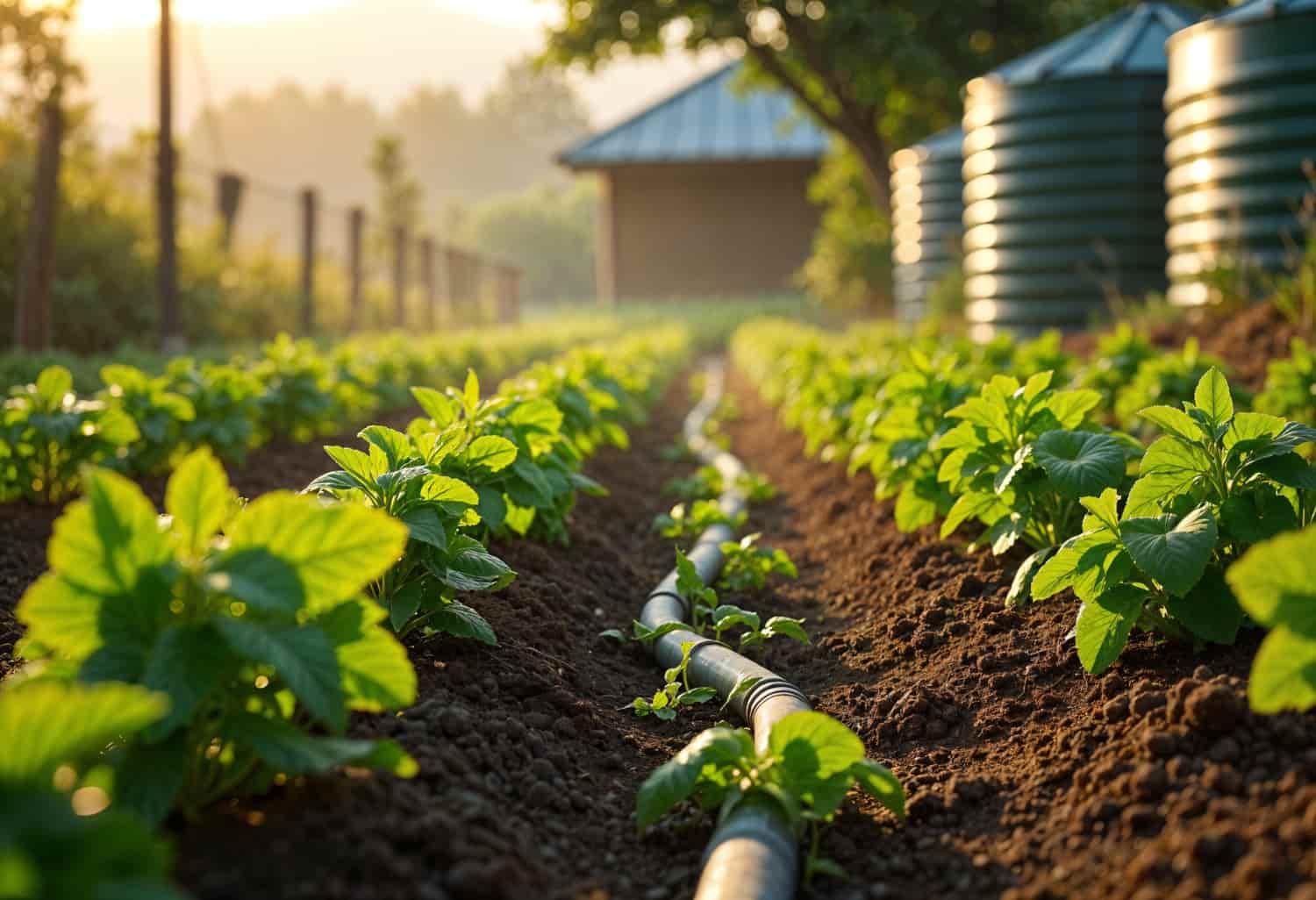
Ever wonder how lawns stay so green or how farmers get water to their crops without hauling buckets? It’s all thanks to irrigation systems. These setups are designed to get water where it needs to go, whether it’s your backyard garden or a huge field. We’ll break down what these systems are, the main parts that make them work, and what goes into the cost. Understanding the parts of irrigation systems can help you figure out what you might need.
What is an Irrigation System?
Basically, an irrigation system is just a way to get water to your plants when they need it, especially when nature isn’t cooperating with enough rain. Think of it as a helping hand for your lawn, garden, or farm. For ages, people have figured out ways to move water around, like digging little ditches to guide rainwater where it’s most useful. It’s all about making sure your plants get a drink without you having to haul buckets or drag a hose around constantly.
Nowadays, we have more advanced setups. These systems use pipes to carry water and special heads or emitters to spread it out evenly. The main idea is to deliver water efficiently, meaning you don’t waste it. This is becoming super important because water isn’t always as plentiful as we’d like.
So, whether it’s a small setup for your backyard or a big one for a farm, the goal is the same: controlled watering. It’s about making life easier and keeping things green and growing.
Here’s a quick rundown of why people use them:
- Convenience: Set it and forget it. No more worrying about watering while you’re on vacation or just busy.
- Water Efficiency: Modern systems are designed to use just the right amount of water, reducing waste.
- Plant Health: Consistent watering leads to healthier, stronger plants and a better-looking landscape.
- Time Saving: Frees up your time from manual watering chores.
At its core, an irrigation system is a network designed to supply water to land or crops in areas where rainfall is insufficient or unreliable. It’s a managed approach to hydration for vegetation, moving water from a source through a distribution network to the points where it’s needed most.
Key Parts of an Irrigation System
Alright, so you’re thinking about getting an irrigation system, or maybe just trying to figure out what all those bits and pieces do. It’s not as complicated as it might seem once you break it down. Every good irrigation setup has a few core components that work together to get water where it needs to go, when it needs to go there. Let’s take a look at what makes these systems tick.
Water Source
This is pretty straightforward – it’s where the water comes from. For most home systems, this is your regular municipal water supply. If you’re on a well, that’s your source. Some larger operations might use ponds, lakes, or even collected rainwater. The quality and pressure of your water source can really impact the system’s design and how well it works.
Pump
If your water source doesn’t have enough pressure on its own, you’ll need a pump. Think of it as the heart of the system, pushing water through all the pipes and out to your plants. Pumps can be electric, gas-powered, or even solar. The size and type of pump depend on how much water you need and how far it has to travel.
Pipes and Tubing
These are the “veins” of your irrigation system. They carry the water from the source and pump to the different areas you want to water. You’ll usually see PVC pipes for the main lines buried underground because they’re tough and last a long time. For the smaller lines that branch off, especially in drip systems, you might see flexible polyethylene (poly) tubing. It’s easier to work with and can be laid out around plants.
Valves
Valves are like the gatekeepers. They control when and where water flows. Most modern systems use electric solenoid valves, which are controlled by the timer or controller. When the controller tells a specific zone to water, it sends an electrical signal to open the valve for that zone. You’ll also find manual valves, which you have to turn yourself, often used for shutting off water to the whole system or for winterizing.
Emitters (Sprinklers, Drip Emitters)
This is where the water actually comes out and hits your plants or soil. Sprinklers are what most people picture – they spray water over an area. There are tons of types, from pop-up ones that disappear when not in use to larger ones for lawns or even specialized ones for agricultural fields. Drip emitters, on the other hand, are designed to deliver water slowly and directly to the base of plants, which is super efficient for gardens and landscaping. You can find various application components like micro-sprinklers and bubblers too.
Controller/Timer
This is the brain of the operation. The controller, often called a timer, tells the valves when to open and close, and for how long. You can program it to water at specific times of the day or week. More advanced “smart” controllers can even adjust watering schedules based on weather forecasts or soil moisture readings, which is a big help in saving water.
Backflow Preventer
This is a really important safety device. Its job is to stop irrigation water from flowing backward into your main drinking water supply. This is crucial because irrigation water can pick up fertilizers, pesticides, or just dirt from the soil. A backflow preventer makes sure that contaminated water doesn’t get mixed with your clean water. There are a few different types, like PVBs or RPZs, and they’re often required by local building codes.
Understanding these main parts is the first step to appreciating how an irrigation system works. Each piece has a specific job, and they all need to work together smoothly for your lawn or garden to get the right amount of water without any waste.
Types of Irrigation Systems
So, you’ve got your irrigation system components sorted, but what about the actual watering method? It’s not a one-size-fits-all deal, you know. Different plants, different soils, and even different yard layouts call for different approaches.
The main goal is always to get water where it’s needed, without wasting a drop.
Here are some of the common types you’ll run into:
- Sprinkler Systems: These are probably what most people picture when they think of irrigation. They spray water over an area, kind of like natural rain. You’ve got your basic pop-up sprinklers for lawns that disappear when they’re not working, rotary sprinklers that cover bigger spaces, and even smaller ones for flower beds. They’re good for covering broad areas, but you’ve got to watch out for wind drift and making sure you’re not watering the sidewalk.
- Drip Irrigation Systems: This is where water is delivered slowly and directly to the plant’s roots. Think tiny emitters or tubes snaking around your plants. It’s super efficient because hardly any water is lost to evaporation or runoff. This is fantastic for vegetable gardens, flower beds, trees, and shrubs where you want to be really precise. It takes a bit more planning to lay out the tubing, but the water savings can be significant.
- Subsurface Drip Irrigation: This is like drip irrigation’s stealthier cousin. The tubing is actually buried underground, right where the roots can access it. This cuts down on evaporation even more and keeps the surface of the soil dry, which can help reduce weed growth. It’s a bit more involved to install since you’re digging trenches, but it’s a top-tier option for water conservation.
- Surface Irrigation: This is the old-school method, relying on gravity. Think of flooding a field or using furrows (little ditches) between rows of crops. While it’s simple and doesn’t need a lot of fancy equipment, it’s generally not very water-efficient and is mostly used in large-scale agriculture, not so much for your average backyard.
- Micro-Sprinklers and Misting Systems: These are more specialized. Micro-sprinklers are like tiny versions of regular sprinklers, good for delicate areas like nurseries or orchards. Misting systems create a fine fog, often used to increase humidity or for frost protection. They’re not for general lawn watering, but they have their specific uses.
Choosing the right system really comes down to what you’re trying to water. A lush green lawn might do best with sprinklers, while a row of tomato plants or a delicate rose bush will probably thank you for a drip system. It’s all about matching the water delivery method to the plant’s needs and your landscape — something professional landscape contractors in Ottawa specialize in for long-term efficiency and healthy plant growth.
Factors Affecting Irrigation System Cost
So, you’re looking into getting an irrigation system, and naturally, you’re wondering about the price tag. The total irrigation system cost can really swing depending on a bunch of things. It’s not just a one-size-fits-all deal, you know?
First off, the size of your yard or garden makes a big difference. A sprawling estate is obviously going to need more pipes, more sprinklers, and more of everything compared to a small city lot. Then there’s the terrain. If you’ve got a yard that’s all hills, rocks, or super compacted soil, getting pipes buried and everything set up is going to be a lot tougher, and tougher usually means more expensive. The same goes for the layout – some spots might need more watering than others, meaning more sprinkler heads or drip lines.
Here are some of the main things that bump the price up or down:
- System Type: Are you going with sprinklers or a drip system? Sprinklers, especially for lawns, tend to cost more upfront because they involve more complex parts and installation.
- Water Source and Pressure: Where is your water coming from, and how strong is it? Sometimes you might need a pump or pressure regulators, which adds to the cost.
- Complexity and Zones: How many different areas (zones) do you need to water separately? Each zone usually needs its own valve, so more zones mean more components.
- Component Quality: Just like anything else, you can buy cheaper parts that might not last as long, or you can invest in higher-quality brands that come with a higher price but potentially fewer headaches down the road.
- DIY vs. Professional Installation: Doing it yourself can save a ton of money, especially with simpler systems like drip lines. But if you’re digging trenches for a sprinkler system, hiring professionals might be worth the peace of mind and saved time, even if it costs more.
- Automation Features: Do you want a basic timer, or a fancy smart controller that adjusts based on weather? Smart tech usually comes with a higher price tag.
Keep in mind that while some systems might seem cheaper initially, you should also think about long-term water usage and maintenance. An efficient system, even if it costs a bit more upfront, could save you money on your water bill over time. Plus, fewer repairs mean less hassle.
Finally, don’t forget about potential permits required by your local town or city, and the tools you might need if you’re doing it yourself. All these little things add up when you’re figuring out the final irrigation system cost.
Conclusion
So, we’ve gone over what makes up an irrigation system, from the water source all the way to the little emitters that actually water your plants. It’s a pretty involved setup, isn’t it? Thinking about all the different parts, like the pump, pipes, valves, and especially those controllers that can make things so much smarter, really shows how much goes into getting water where it needs to be.
Choosing the right system and its components is a big deal for both getting your plants to grow well and not wasting water. It’s not just about slapping some pipes in the ground; you’ve got to match the system to what you’re growing, the kind of soil you have, and how much water you can actually get.
Need help designing the perfect irrigation system? Contact KJ Landscape & Design today at +1 613-229-0213 for a free consultation and smarter water solutions.
Frequently Asked Questions
What is an irrigation system and why do I need one?
An irrigation system is basically a way to water your lawn or garden automatically. Think of it like a smart sprinkler system that’s buried underground. It helps keep your plants healthy and green, especially when it’s too hot or dry outside. It gives you more control over when and how much water your plants get, which can save water and make your yard look great without you having to lift a finger.
What are the main parts of a typical irrigation system?
The main parts include a water source (like your faucet or a well), pipes to carry the water, valves that turn the water on and off for different areas, and emitters (like sprinklers or drip lines) that actually deliver the water to your plants. You also need a controller, which is like the brain of the system, telling the valves when to open and close based on a schedule.
What’s the difference between sprinkler and drip irrigation?
Sprinkler systems spray water into the air, like rain, covering a wider area. They’re good for lawns. Drip irrigation, on the other hand, slowly releases water right at the base of plants through small emitters or tubes. This is super efficient because less water is lost to evaporation and it goes straight to the roots, making it great for gardens and flower beds.
How much does an irrigation system usually cost?
The cost can vary a lot depending on the size of your yard and the type of system. For a typical home lawn, a sprinkler system might cost between $1,700 and $3,500 to install. Drip systems are often less expensive, especially for smaller areas. Factors like the complexity of the installation and the quality of the parts will also affect the price.
Do I need a special pump for my irrigation system?
Sometimes, yes! If your water source doesn’t have enough pressure on its own, or if you’re drawing water from a well, pond, or reservoir, you’ll likely need a pump to push the water through the pipes and sprinklers at the right pressure. For most homes using regular city water, a pump isn’t necessary.
What is a backflow preventer and why is it important?
A backflow preventer is a safety device that stops irrigation water from flowing back into your main water supply. This is important because irrigation water can sometimes pick up dirt, fertilizers, or other things from the soil. The backflow preventer makes sure that dirty water doesn’t contaminate your clean drinking water.