
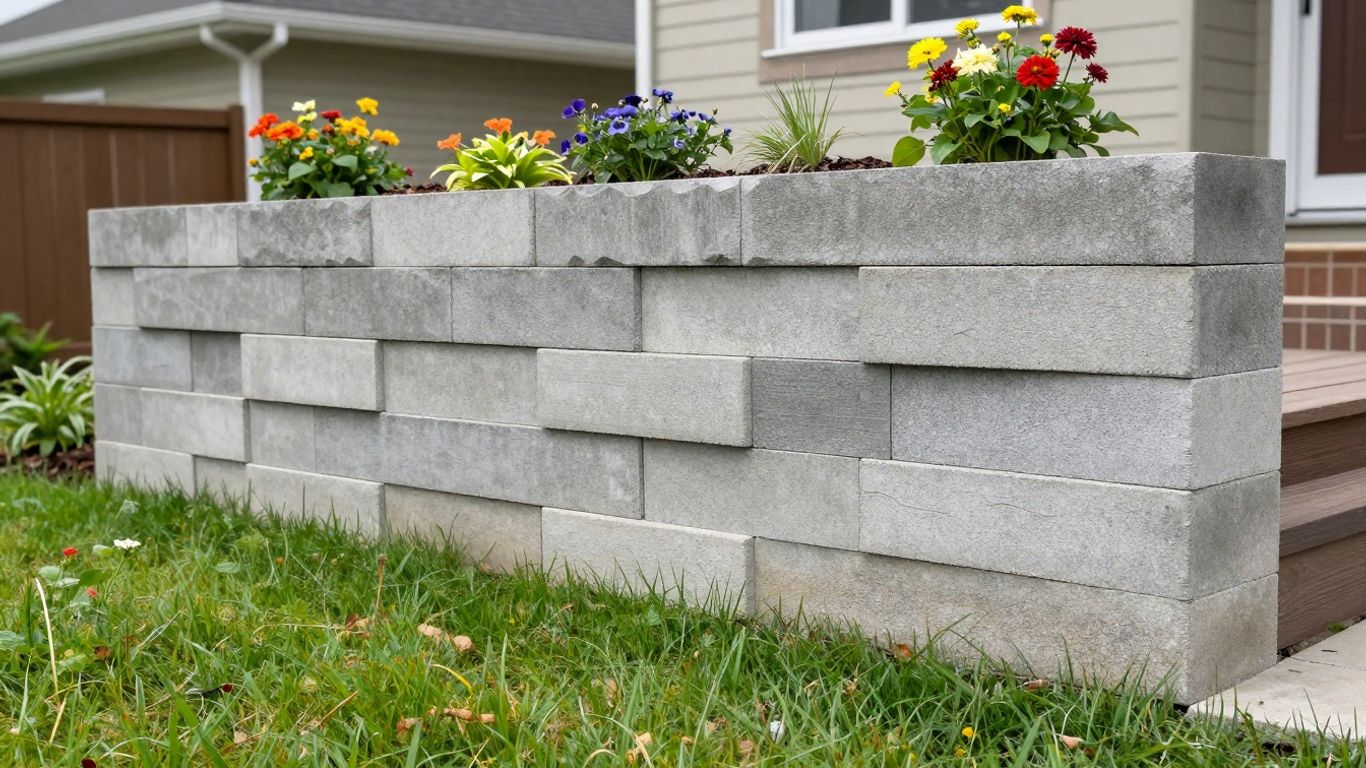
Thinking about building a retaining wall? It’s a common project for homeowners looking to level out their yard or add some structure. But before you grab your tools or hire a contractor, you might be wondering: do you need a permit? It’s not always straightforward, and understanding the rules can save you a lot of hassle down the road. Let’s break down what you need to know about permits for retaining walls in Ottawa.
Introduction: Why Retaining Wall Permits Matter in Ottawa
So, you’re thinking about building a retaining wall? It’s a pretty common project, whether you’re trying to level out a sloped yard, add some garden beds, or just make your property look a bit tidier. But before you start digging, there’s something important you need to know: permits.
In many places, building a wall isn’t always as simple as just putting up some blocks. There are rules and regulations in place, and they’re there for good reasons. Think about it – these walls hold back a lot of earth. If they’re not built right, they can cause problems, not just for your property but for your neighbours’ too. We’re talking about potential soil erosion, water runoff issues, and in worst-case scenarios, structural failures that could be dangerous.
City’s climate adds another layer to this. We get serious freeze-thaw cycles here, and that can put a lot of stress on structures. A wall that looks fine in the summer might shift or even collapse after a few harsh winters if it wasn’t designed to handle our local conditions. That’s where permits come in. They ensure that your wall is designed and built to be safe and durable, taking into account things like soil type, drainage, and our specific weather patterns.
Building without checking the rules can lead to headaches down the road, like having to tear down a wall that wasn’t approved or facing fines. It’s always better to be upfront and get the necessary approvals before you begin.
What Is Considered a Retaining Wall?
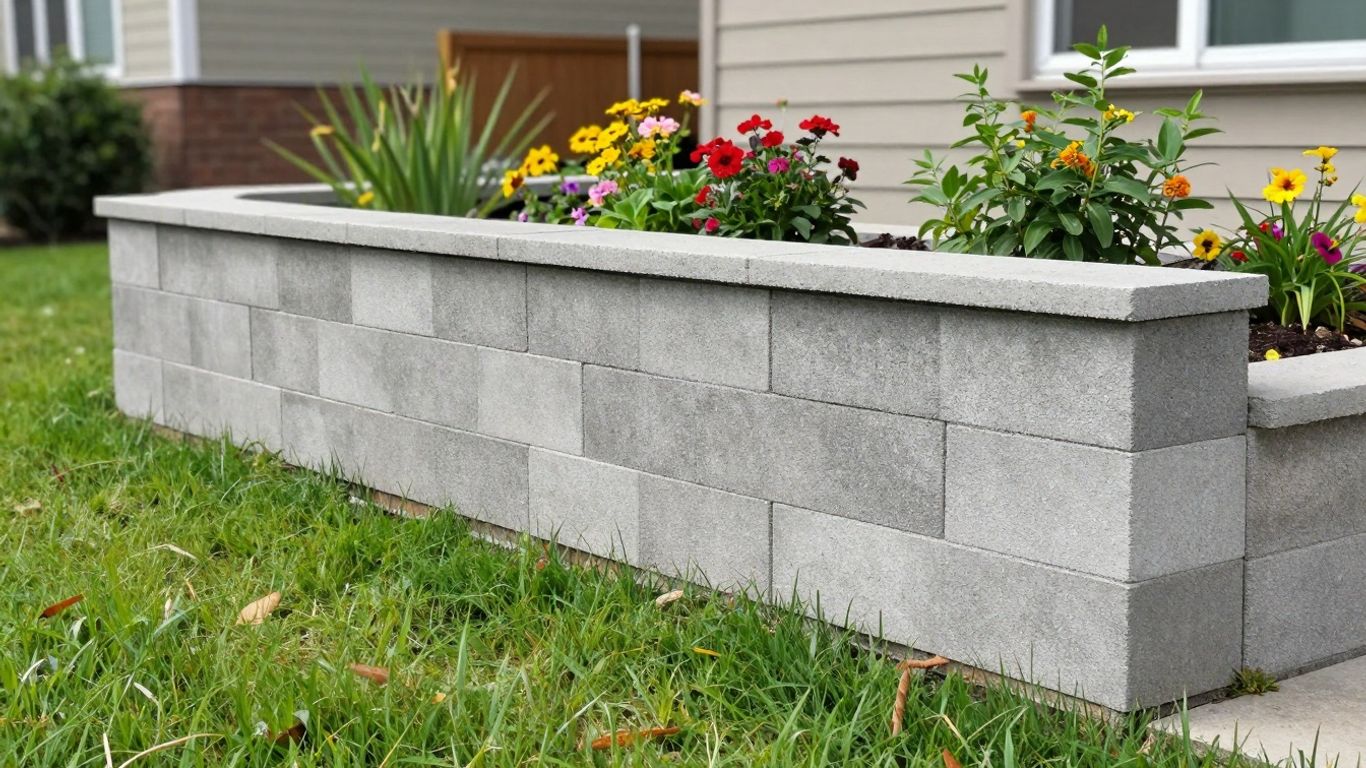
So, what exactly counts as a retaining wall? It’s not just any old garden border. Basically, if a structure is built to hold back soil or water and prevent it from moving where it shouldn’t, it’s likely considered a retaining. This means it’s designed to manage different ground levels on your property. Think about those situations where you have a slope, and you want to create a flat area for a patio or garden beds – that’s where a retaining wall comes in.
The key factor is its function: to resist the lateral pressure of soil. If your wall is just a decorative element, like a low border for flowers, it probably doesn’t fall under this definition. But if it’s holding back a significant amount of earth, especially if it’s taller than a couple of feet.
Here are some common scenarios:
- Creating tiered garden beds on a sloped yard.
- Building a raised patio area.
- Preventing soil erosion along a property line.
- Supporting a driveway or walkway that’s at a different elevation than the surrounding ground.
Do You Need a Permit for a Retaining Wall?
So, you’re thinking about building a wall. That’s great! They can really change how your yard looks and works. But before you start digging, you’re probably wondering, “Do you need a permit for a retaining wall?” The short answer is: it depends, but often, yes.
Generally, if your wall is taller than 1.2 meters (about 3.9 feet), you’ll likely need a permit. This is a pretty standard rule across many municipalities, and it’s all about safety and making sure the wall won’t cause problems down the line. It doesn’t matter if it’s a backyard wall, a garden wall, or a residential wall; if it hits that height mark, you’re probably looking at needing official approval.
Here’s a quick breakdown of what usually triggers the need for a permit:
- Height: As mentioned, walls over 1.2 meters (3.9 ft) typically require one.
- Purpose: Walls that hold back significant amounts of earth or water, especially on sloped properties, are more likely to need a permit.
- Location: Sometimes, property line issues or proximity to services can affect permit requirements.
It’s also worth noting that even if a wall is slightly under the 1.2-meter mark, if it’s part of a larger project or has specific structural needs, a permit might still be recommended or required. So, do I need a permit for a small retaining wall? If it’s truly small and doesn’t hold back much earth, maybe not, but it’s always best to check.
The city has specific codes and regulations to ensure these structures are safe and don’t negatively impact neighboring properties or city infrastructure. Ignoring these rules can lead to fines or even having to tear down your work.
Backyard, Garden, and Residential Retaining Wall Permits
So, you’re thinking about adding a wall to your backyard or garden? Maybe you’re looking to level out a slope or just add some definition to your Ottawa landscaping. It’s a pretty common project for homeowners, and it can really change how your outdoor space looks and functions. When it comes to a residential retaining wall permit, the height of the wall is the main thing the city looks at.
Generally, if your wall is under 1.2 meters (about 3.9 feet) tall, you probably won’t need a permit for a small wall. This is great news if you’re just looking to build a low garden bed wall or a small terraced area. However, things get a bit more complicated if your wall is taller than that. For anything exceeding that 1.2-meter mark, you’ll definitely need to look into getting a permit. This applies to pretty much any backyard or garden retaining wall permit where the structure is taller.
Here’s a quick rundown of what usually triggers the need for a permit:
- Walls exceeding 1.2 meters (3.9 feet) in height.
- Walls that are part of a larger structure or building.
- Walls that are located near property lines or public spaces.
- Walls designed to hold back significant amounts of soil or water.
When a Permit Is Not Required
So, you’re thinking about building a retaining wall, but you’re wondering if you actually need a permit for it. It’s a good question, and the answer isn’t always a simple yes or no. Generally, smaller walls that don’t hold back a significant amount of soil or aren’t very tall usually don’t require a permit.
City’s wall permit requirements often hinge on the height and purpose of the wall. If your wall is under 1.2 meters (about 3.9 feet) in height, and it’s not supporting a significant structure or slope, you might be in the clear. Another situation where a permit might not be needed is if you’re building terraced walls, provided the distance between each level is at least twice the height of the wall itself. This design helps distribute the soil pressure more gradually.
Here are a few common scenarios where a permit might not be necessary:
- Walls under 1.2 meters (3.9 feet) in height.
- Walls that are purely decorative and don’t retain any soil.
- Terraced walls where the horizontal distance between levels is double the wall’s height.
It’s always best to double-check with the City of Ottawa’s building department, though. They can give you the most up-to-date information specific to your situation. Sometimes, even if a permit isn’t strictly required by the city, following best practices for construction, like proper drainage, is still a really good idea to make sure your wall lasts. For instance, if your wall is near a body of water, like the Rideau Canal, you might have different regulations to consider, potentially involving Parks Canada.
Remember, even if a permit isn’t mandated, building a wall that’s not structurally sound can lead to problems down the road, like soil erosion or even wall collapse. It’s about safety and longevity, not just paperwork.
Risks of Building a Retaining Wall Without a Permit
If you want to add a wall to level out a slope in the backyard or just to add some visual interest. It seems straightforward enough, right? Well, before you start digging, it’s super important to know about permits. Building a wall without the proper paperwork can lead to some real headaches.
The biggest risk is that the city could make you tear it down. Imagine all the time, money, and effort you put into building it, only to have to remove it completely. That’s a tough pill to swallow. Beyond that, there are safety concerns. Retaining walls hold back a lot of soil and pressure. If it’s not built to code, it could fail. This means soil could slide, potentially damaging your property or even a neighbor’s. It’s not just about aesthetics; it’s about structural integrity.
Here are some specific issues you might run into:
- Fines and Penalties: The city can issue fines for unpermitted construction. These can add up quickly, making the project much more expensive than if you’d just gotten the permit in the first place.
- Safety Hazards: Improperly constructed walls can collapse, leading to property damage or injuries. This is especially true for taller walls or those on sloped land.
- Difficulty Selling Your Home: When you eventually decide to sell your house, unpermitted structures can cause major problems during the sale process. Buyers might get cold feet, or you might have to significantly lower your price to compensate for the issue.
- Insurance Issues: If something goes wrong with an unpermitted wall and it causes damage, your homeowner’s insurance might not cover it. You could be on the hook for all repair costs.
Building without a permit means you’re bypassing the safety checks that are in place to protect you, your property, and your neighbors. These regulations exist for a reason, and ignoring them is a gamble that rarely pays off in the long run. It’s always better to be safe than sorry when it comes to construction projects like this.
If your wall is over 1.2 meters (about 3.9 feet) high, you’ll almost certainly need a permit. Even for shorter walls, it’s wise to check the local Ottawa by-laws just to be sure. It’s a small step that can save you a world of trouble down the line.
How to Apply for a Retaining Wall Permit in Ottawa
Here’s a general rundown of what the process usually involves:
- Gather Your Information: You’ll need details about your property, like lot plans and surveys. You’ll also need a clear design for your retaining. This includes its dimensions, materials, and how it will be constructed. If your wall is over the 1.2-meter height limit, you’ll need a design stamped by a qualified engineer.
- Submit Your Application: You’ll typically submit your application package to the City’s building services department. This usually involves filling out specific forms and providing all the supporting documents you’ve gathered.
- Plan Review: City staff will review your application to make sure it meets all the relevant building codes and zoning bylaws. They’ll be checking things like structural stability, drainage, and how the wall fits with your property and the surrounding area.
- Permit Issuance: Once everything checks out, you’ll be issued a building permit. This permit is your official go-ahead to start construction.
- Inspections: During construction, there will likely be required inspections at various stages to confirm that the work is being done according to the approved plans and codes.
Don’t forget that even if a permit isn’t strictly required based on height alone, proper design and construction are still super important, especially considering Ottawa’s climate with its freeze-thaw cycles. Thinking about drainage and the type of soil you have is key to making sure your wall lasts for years to come.
Hiring a Professional vs DIY Construction
Should you tackle it yourself, or call in the pros? It’s a decision that really depends on a few things, like your comfort level with construction, the complexity of the project, and, let’s be honest, how much time you’ve got.
For smaller, simpler walls, a DIY approach might be totally doable if you’re handy and have the right tools. Think garden bed borders or low walls that don’t hold back much soil. You can find plenty of guides online, and it can be a rewarding project. However, when things get bigger, taller, or more complicated, that’s when you really want to think twice.
Here’s a quick rundown of what to consider:
- DIY:
- Lower upfront cost (materials only).
- Sense of accomplishment.
- Requires significant time, research, and physical labor.
- Risk of errors if not done correctly, leading to future problems.
- Professional:
- Higher upfront cost, but includes labor and expertise.
- Peace of mind knowing it’s built to code and safely.
- Access to specialized equipment and knowledge of local conditions (like city’s freeze-thaw cycles).
- Often comes with a warranty or guarantee.
When you’re dealing with walls over 1.2 meters (about 4 feet), or walls that need to hold back a lot of earth, it’s not just about aesthetics; it’s about safety and structural integrity. These projects often require engineering plans and a permit, which a professional contractor will handle. They know how to factor in soil types, drainage, and the specific climate challenges, like deep frost lines and heavy rains. Trying to guess these things yourself can lead to a wall that fails, causing damage and costing way more to fix than hiring someone would have in the first place.
Building it involves more than just stacking blocks. It’s about understanding soil mechanics, proper drainage, and structural stability. A professional brings the knowledge and experience to ensure your wall is not only beautiful but also safe and long-lasting, especially considering city’s unique environmental factors. Getting it wrong can be a costly mistake.
So, Do You Need a Permit?
Alright, let’s wrap this up. Building a retaining wall isn’t just about stacking some blocks. If your wall is going to be taller than 1.2 meters (about 3.9 feet), you’re definitely going to need a permit. It’s the city’s way of making sure things are built safely, especially with our crazy weather. Sometimes, even shorter walls might need one if they’re part of a bigger landscaping plan, like creating terraces. The best bet? Always check with the City of Ottawa’s building department before you start digging. It saves a lot of headaches down the road. And honestly, for anything over that 1.2-meter mark, getting an engineer involved is a smart move. They know their stuff and make sure your wall won’t become a problem later on. So, plan ahead, know the rules, and you’ll have a great-looking, safe wall.
Frequently Asked Questions
What exactly is a retaining wall?
It is basically a structure built to hold back soil or water. Think of it as a strong barrier that keeps a slope from collapsing or creates different levels in your yard. It’s designed to manage changes in ground elevation.
Do I need a permit for it?
Generally, if your retaining wall is taller than 1.2 meters (about 3.9 feet), you’ll likely need a permit from the City of Ottawa. Shorter walls might not require one, but it’s always best to check the specific rules.
What happens if I build a wall without the required permit?
Building without a permit can lead to problems. You might have to take the wall down, pay fines, or face legal issues. Plus, an unpermitted wall might not be safe or up to code, which could cause damage later on.
Are there exceptions where a permit isn’t needed for a taller wall?
Sometimes, if you’re creating terraces, a permit might not be required even for walls over 1.2 meters. This usually applies if the distance between each level is at least twice the height of the wall. But, you still need to confirm this with the city.
Who can help me figure out if I need a permit and design the wall?
It’s a good idea to talk to professionals like landscape designers or contractors who specialize in retaining walls. They know the building codes and can help you with the design and permit application process.
How much does a retaining wall typically cost?
The cost can vary a lot depending on the size, materials used, and how complex the job is. Simple garden walls are cheaper, while larger, engineered walls that need special permits can cost much more. Getting a few quotes is the best way to get an idea.