
So, you’ve just gotten that beautiful new sod installed, and it looks like a perfect green carpet. But hold on, it’s not quite ready for backyard barbecues yet. That fresh sod needs some serious TLC to get its roots down and really settle in. The first few weeks are crucial for ensuring your new lawn grows strong and healthy. If you’re wondering how to keep it alive and thriving after it’s installed, we’ve got you covered with a simple guide.
Key Takeaways
- Watering new sod immediately after installation is the most critical step to prevent it from drying out.
- For the first week, keep the consistently moist by watering it several times a day.
- As roots start to grow in week two, gradually reduce watering frequency to encourage deeper root development.
- By week three, aim to water once a day or every other day, checking if the sod is starting to root.
- After the first month, transition to a regular watering routine, watering deeply a few times a week.
Why Watering New Sod Properly is Crucial
So, you’ve just laid down that beautiful new sod, and it looks amazing. But here’s the thing: that fresh turf is still pretty fragile. Getting the watering right from the start is super important for helping it settle in and grow strong roots. Think of it like giving a new plant the best possible start in its new home.
Without enough water, the sod can dry out quickly, especially around the edges, and the roots won’t be able to connect with the soil underneath. This can lead to brown patches and a lawn that just doesn’t look healthy. On the flip side, too much water can also cause problems, like encouraging diseases or making the roots rot. It’s all about finding that sweet spot.
Proper watering of new sod is the key to establishing a healthy root system. It helps it stay hydrated, encourages those roots to reach down into the soil, and ultimately makes your lawn more resilient. This means less stress for you and a better-looking lawn in the long run. Getting the sod care after installation right sets the stage for everything that follows in your new sod maintenance plan.
Here’s a quick look at why it matters so much:
- Root Development: Water is what helps the roots grow down into the soil. This is how the sod anchors itself and starts to get nutrients.
- Moisture Retention: New sod doesn’t have a deep root system yet, so it relies on consistent moisture from the topsoil.
- Preventing Stress: Proper watering helps it handle the shock of being transplanted and adapt to its new environment.
- Overall Health: A well-watered lawn is a healthier lawn, less prone to pests and diseases.
Understanding how often to water new sod and the best time to water new sod are big parts of this initial care. It’s not just about keeping the green blades alive; it’s about building a solid foundation for your entire lawn.
Understanding Sod’s Needs: Before You Start
New sod is a bit like a newborn – it needs specific care to get established and grow strong. Understanding what it needs, and when, is the first step to a healthy, lasting lawn.
Sod Type and Soil Conditions
Different types of sod have slightly different needs, but the biggest factor is your soil. Is it sandy, clay, or somewhere in between? Sandy soils drain quickly, meaning they dry out faster and might need more frequent watering. Clay soils hold onto moisture longer, so you have to be careful not to overdo it. Before you even think about watering schedules, get a feel for your soil. You can do this by digging a small hole in a few spots. If the soil feels dry just an inch down, it’s probably thirsty. If it’s still pretty damp even a few inches down, it holds water well.
- Sandy Soil: Dries out fast, needs more frequent watering.
- Clay Soil: Holds moisture, risk of overwatering.
- Loam Soil: Ideal balance, good moisture retention.
Knowing your soil type helps you adjust watering amounts and frequency. It’s not a one-size-fits-all situation.
Weather and Climate Considerations
What’s the weather doing? This is a huge factor. Hot, sunny, and windy days will dry out your new sod much faster than cool, cloudy, and humid conditions. You’ll need to water more often when it’s hot and dry. If you’re getting a good amount of rain, you might be able to skip a watering session, but always check the soil first. Don’t just assume rain was enough. Even a light shower might not penetrate deeply enough to keep the roots happy. Always aim to keep the soil consistently moist, especially in the first few weeks. This initial period is critical for helping your new sod take root.
How Often to Water New Sod: The Weekly Watering Schedule
Learning how often to water new sod is super important for making sure it grows strong roots. It’s not just about keeping it wet; it’s about training those roots to go down deep. This new lawn watering schedule is your roadmap for the first month.
Week 1: Establishing Initial Moisture
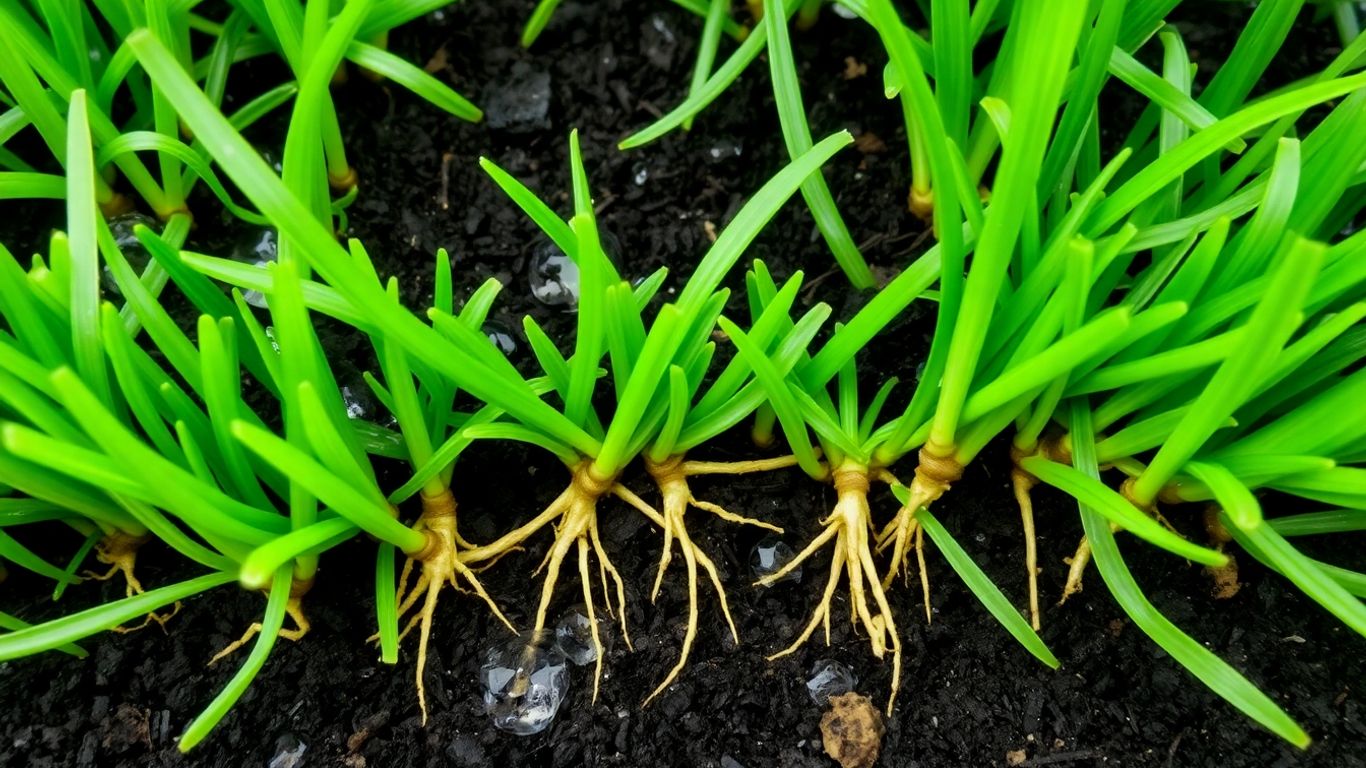
Right after installation, it needs a really good soak. Think of it as giving it a drink to settle it in. For the first week, you’ll need to focus on establishing a sod root system by watering it multiple times a day – maybe two to four sessions. Each session should be about 10-15 minutes. The main goal here is to keep the sod consistently moist, but not waterlogged. You don’t want puddles forming, but you also absolutely cannot let it dry out. Pay special attention to the edges and seams, as these spots tend to dry out faster. You can check if it’s rooting by gently trying to lift a corner; if it resists, the roots are starting to grab hold. Remember to water immediately after the installation.
Week 2: Encouraging Deeper Roots
As you move into the second week, you can start to ease up a little on the watering frequency. Try watering once or twice a day. This slight reduction in watering encourages the roots to search for moisture deeper in the soil. Continue to monitor for dry spots, especially around the edges, and hand-water those areas if needed. The soil should still feel damp to the touch, but it’s okay if it starts to dry out a tiny bit between waterings.
Week 3: Transitioning to Less Frequent Watering
By week three, it should be showing good signs of rooting. You might be able to water just once a day, or even every other day, depending on how hot it is and if you’ve had any rain. The idea is to let the soil dry out a bit more between watering sessions. This really pushes those roots to grow down. You’ll notice that it becomes harder to lift as the roots establish themselves.
Week 4 and Beyond: Maintenance Watering
Once you’re past the first month, your sod is pretty much established. You can start shifting to a more regular watering routine. This usually means watering a couple of times a week, but when you do water, make sure it’s a deep soak. Aim for about an inch of water per week, split into those two sessions. Watering in the early morning is best because less water evaporates. Keep an eye on the weather, though; if you get a good amount of rain, you might not need to water at all that week.
It’s really about observing your lawn. If it looks dull or the edges start to curl up, it’s probably too dry. If it looks mushy or you see fungus, you might be watering too much. Adjusting based on what you see is key.
Signs of Overwatering Sod or Underwatering
Figuring out if your new sod is getting too much or too little water can feel like a guessing game sometimes. But really, it’s all about paying attention to a few key things. There will be signs of overwatering sod or underwatering; you just need to know what to look for.
Signs of Underwatering
If your sod looks a bit dull or has a grayish tint, that’s a pretty clear sign it’s thirsty. Another way to tell is by walking on it. If the grass blades stay flattened down instead of springing back up, it needs a drink. Dry, thin, or brown patches are also big indicators that the roots aren’t getting enough moisture. Remember, the edges of the pieces and where they meet are often the first spots to dry out.
Signs of Overwatering
Overwatering is just as bad, if not worse, than underwatering. It can lead to problems like fungal diseases and root rot, which you definitely don’t want. Some common signs of overwatering sod include yellowing grass, mushy spots, and a general lack of vigor. You might even see irregular circular patterns of disease. If you notice any of these, it’s time to ease up on the watering schedule. It’s better to water deeply and less often than to constantly keep the soil saturated.
Overwatering can cause more harm than good, leading to shallow roots and a weakened lawn that’s more susceptible to disease and drought. Aim for consistently moist soil, not soggy soil.
How to Check Soil Moisture
Don’t just guess! A simple way to check if it’s getting enough water is to do the screwdriver test. Gently push a long screwdriver or a similar tool into the soil. If it goes in easily, the soil is likely moist enough. If you have to force it, the soil is probably too dry and needs more water. You can also carefully lift a corner of the sod to check the soil underneath. You’re looking for soil that’s moist about 3-4 inches down. If you’ve been watering and the soil feels waterlogged, you might be overdoing it. You can always check soil moisture to get a better idea.
Adjusting Your Watering
If you realize you’ve been overwatering, don’t panic. Just cut back on the amount or frequency for the next few watering sessions. If it’s underwatering, increase the duration or frequency. It’s a balancing act, and your sod will tell you when you’ve found the right rhythm. Keep an eye on the weather, too; rain can often mean you can skip a watering day.
Best Practices for Watering Fresh Sod
Getting your new sod to root well is all about consistent moisture, but there are definitely some best practices for watering is to make sure you’re doing it right. It’s not just about dumping water; it’s about how and when you water.
- Water early in the morning. This is probably the most important tip. Watering before the sun gets too hot means more water gets absorbed before it evaporates. Late afternoon is the next best time.
- Water deeply and evenly. Instead of short, frequent sprinkles, aim for longer watering sessions that soak the soil. This encourages the roots to grow down deeper into the soil, which is exactly what you want for a strong lawn.
- Check the edges and seams. These spots tend to dry out faster than the middle of the sod pieces. You might need to adjust your sprinklers or even hand-water these areas to make sure they get enough moisture.
- Don’t let it dry out, but don’t drown it either. Finding that balance is key. You want the soil to be moist, not waterlogged. If you see puddles or water running off, you’re watering too much.
Pay attention to your sod. It’s a living thing, and it will show you if it’s happy or not. Look for signs of wilting or browning, which usually means it needs more water. Conversely, if it looks mushy or develops weird spots, you might be overdoing it.
- Adjust for the weather. Hot, windy days mean your sod will dry out faster, so you might need to water more often. Cooler, cloudy days mean you can probably water less. Always factor in any rainfall, too; if you get a good soaking from nature, you can skip your watering for the day. You can find more details on how often to water a new sod installation.
- Avoid walking on it. Try to keep foot traffic, pets, and even yourself off for the first few weeks. This gives the roots a chance to establish without being disturbed.
Conclusion
So, you’ve made it through the first month of sod care. That initial period is really the most important part for getting your new grass to grow strong roots. Keep up with the watering, but start to adjust it as the weeks go by, just like we talked about. Remember, the goal is to get those roots to reach down into the soil. Once your sod is really settled in, you can move to a more normal watering routine. Don’t forget to check for dryness, especially around the edges, and adjust as needed. With a little attention in these early stages, your new lawn should be well on its way to looking great for a long time.
Here’s a quick recap of what we covered:
- Initial Soak: Get that soil underneath nice and wet right after installation.
- Weeks 1-2: Keep it damp, watering multiple times a day, especially if it’s hot or windy. Watch out for dry edges!
- Weeks 3-4: Start watering less often but for longer periods. This encourages roots to reach deeper.
- Beyond Week 4: Transition to a regular watering schedule, usually every few days, depending on rain.
Frequently Asked Questions
How often should I water my new sod?
For the first week, water 2 to 4 times a day for about 10 to 15 minutes each time. The main goal is to keep the sod damp but not soggy. As the weeks go by, you’ll water less often. By the third week, you might water once a day or every other day, and after the first month, you’ll switch to a regular watering routine of about 2 to 3 times a week.
When is the best time to water new sod?
The best times to water your new sod are in the early morning and late afternoon. These times help the grass absorb the water before it gets too hot and evaporates, and also before nightfall, when it can lead to fungal issues if left too wet.
How can I tell if my sod is getting too much or too little water?
If it looks dull, dry, or is starting to turn brown, it likely needs more water. On the other hand, if the soil stays constantly soggy, or you see signs of fungus or disease like mushy, rotting patches, you might be overwatering. It’s important to find that balance where the soil is moist but not waterlogged.
When can I start walking on my new sod?
It’s best to stay off as much as possible for the first couple of weeks. You should wait until it has started to root into the soil. A good test is to gently tug on a piece of the sod; if it doesn’t lift easily, the roots are likely established, and light foot traffic is usually okay.
When should I mow it for the first time?
You should wait to mow your new sod until the roots have firmly attached to the soil, which usually takes about 10 to 14 days, sometimes up to three weeks. When you do mow, make sure your mower blades are sharp and set to a high setting. Never cut off more than one-third of the grass’s height at once.