
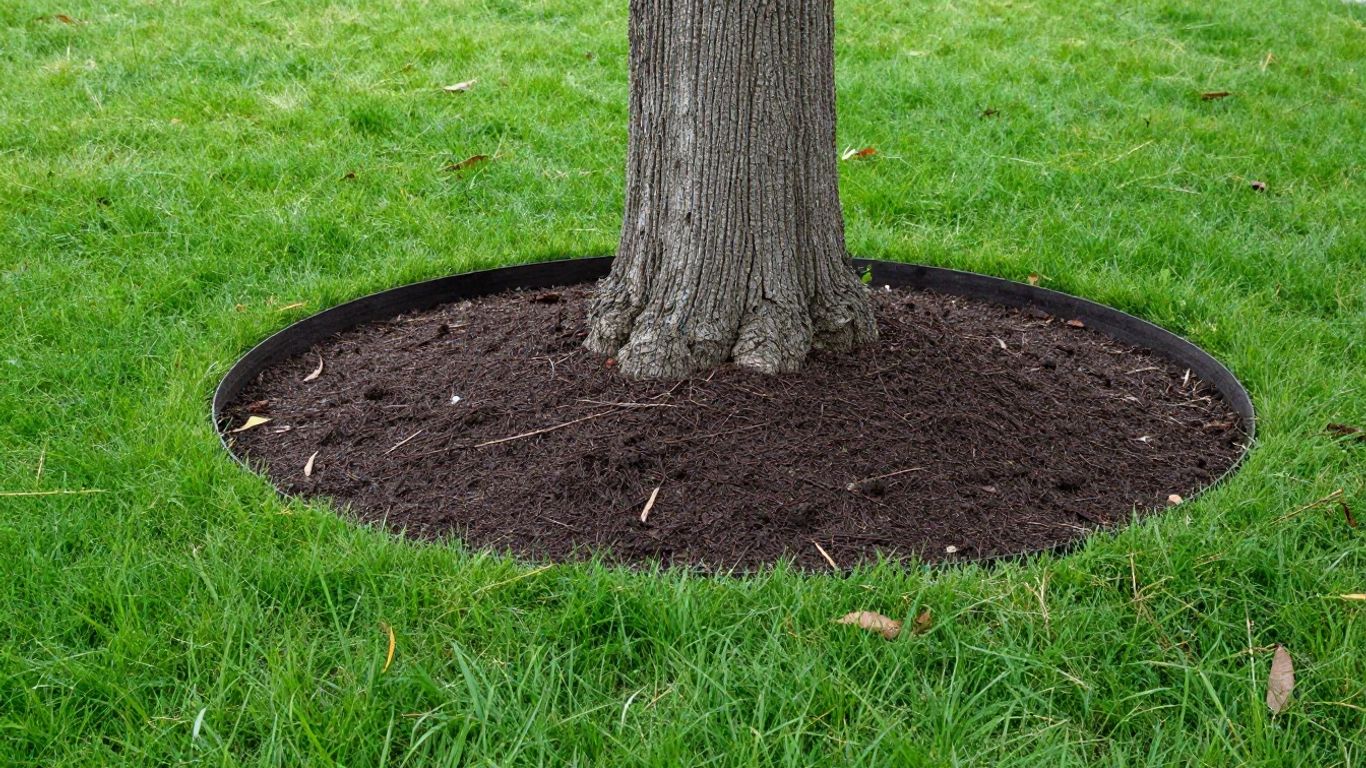
Having trees in your yard is great, but keeping them healthy means paying attention to what’s happening around their bases. Things like too much water sitting around the roots or the soil washing away can cause real problems. That’s where garden edging comes in. It’s not just about making things look neat; it’s a practical way to help your trees thrive by managing water and keeping soil where it belongs. Let’s talk about how the right landscape edging can make a big difference.
Why Proper Garden Edging Protects Your Trees
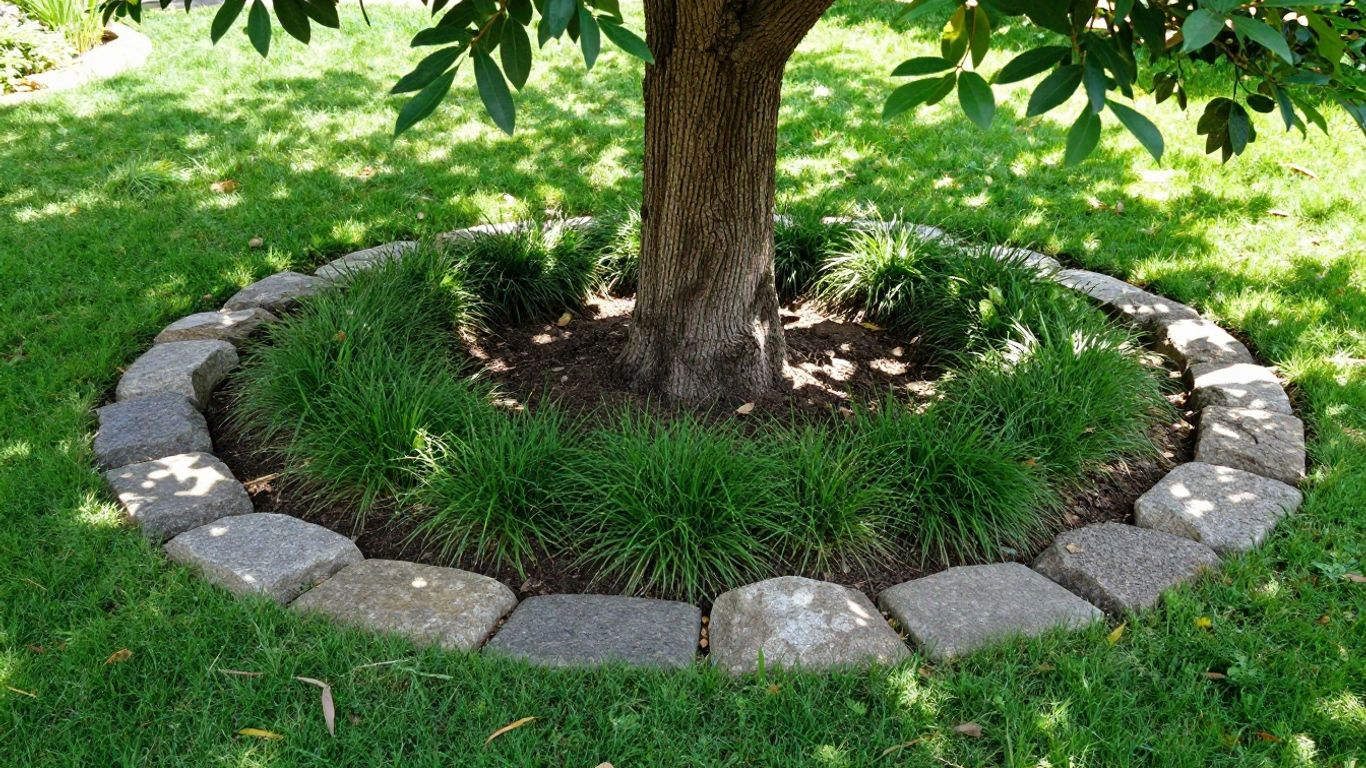
So, you’ve got these beautiful trees in your yard, right? They’re the stars of the show, adding shade, beauty, and value. But sometimes, we don’t think about the little things that keep them healthy and looking good. That’s where garden edging comes in. It’s not just about making things look tidy, though it definitely does that. Proper edging is actually a key player in protecting your trees from some common problems.
Think about it. Without a clear border, grass and weeds can creep right up to the trunk, competing with your tree for water and nutrients. That’s a fight your tree probably doesn’t need. Plus, when you’re mowing or trimming, it’s super easy to accidentally nick the bark or damage those sensitive surface roots. That kind of damage can lead to all sorts of issues down the road, including making the tree more vulnerable to diseases and pests.
It also plays a big role in managing the soil around your tree. It helps keep mulch in place, which is like a cozy blanket for the soil, retaining moisture and keeping the temperature steady. Without it, that mulch can get washed away by rain or blown around, leaving the soil exposed. This can lead to soil erosion, especially if you have a bit of a slope. When soil washes away, it takes valuable nutrients with it, and exposed roots are left vulnerable.
Here’s a quick rundown of why it matters for your trees:
- Prevents Grass and Weed Invasion: Stops unwanted plants from stealing resources.
- Protects Against Physical Damage: Creates a buffer zone from lawnmowers and trimmers.
- Manages Mulch and Soil: Keeps beneficial mulch in place and helps prevent erosion.
- Improves Water Management: Can help direct water flow away from the trunk and prevent waterlogging.
Choosing the right edging material, like durable options for your patio material, can make a big difference in how well it holds up over time and how much protection it offers. We’ll get into the best solutions and how to install them correctly in the following sections.
How Poor Edging Causes Root Rot & Soil Erosion
So, you’ve got these lovely trees, right? And you want to keep them healthy and looking good. But sometimes, the way we edge our gardens, or even don’t edge them, can actually cause problems. It’s not always obvious, but bad edging, or no edging at all, can really mess with your tree’s root system and the soil around it.
One big issue is how water behaves. When you don’t have a proper edge, especially if your yard slopes a bit, heavy rain can just wash away the topsoil. This is called soil erosion. All that good stuff – nutrients, organic matter – gets carried away, leaving the soil underneath exposed and less fertile. For trees, this means their shallow roots, which are super important for getting water and nutrients, can get exposed and damaged. It’s like losing your foundation.
Then there’s the root rot problem. This often happens when water can’t drain properly. If you’ve got grass or other plants growing right up to the tree trunk, and you’re watering everything, that area can stay soggy for too long. Without a good edge to separate the lawn from the tree’s base, water tends to pool. Tree roots need air, and when they’re constantly waterlogged, they can’t breathe. This creates the perfect environment for fungi and bacteria to move in, leading to root rot. It’s a nasty business that can weaken the tree over time.
Think about it like this:
- Water Runoff: Without a barrier, rain can wash away valuable topsoil, taking nutrients with it.
- Compacted Soil: Constant foot traffic or lawnmower wheels right up to the trunk can compact the soil, making it hard for roots to get air and water.
- Grass Competition: Grass roots are thirsty and hungry. They’ll happily steal water and nutrients meant for your tree if they’re not kept in check.
- Mulch Mismanagement: If mulch isn’t contained, it can get spread too thin or washed away, losing its benefits for moisture retention and temperature regulation.
And don’t forget about physical damage. Lawn mowers and string trimmers can easily nick or cut the bark and exposed roots near the surface if there’s no defined edge. These injuries are entry points for diseases and pests, further stressing the tree.
Best Garden Edging Solutions for Tree Protection
When it comes to keeping your trees healthy and your landscape looking neat, the right garden edging makes a big difference. It’s not just about looks; it’s about creating a functional barrier that helps prevent common problems like root rot and soil erosion. Choosing the right edging can significantly improve your tree’s environment.
One of the most effective strategies is creating a dedicated tree ring. This involves placing a border around the base of the tree, forming a “no-mow” zone. This simple addition protects the tree’s trunk and its sensitive surface roots from damage caused by lawnmowers and string trimmers. It also helps contain mulch, which is super important for keeping the soil moist, stopping weeds, and regulating temperature around the roots. Without a proper edge, mulch can spread out, losing its effectiveness and potentially piling up against the trunk, which isn’t good for the tree.
Here are some popular and effective materials for tree protection:
- Stone or Brick: These materials offer a permanent and sturdy solution. They look great, last for ages, and can even help with drainage if installed correctly. They create a strong border that won’t shift easily.
- Landscape Timbers: Often made from wood, these can give a natural, rustic feel. They are usually treated to resist rot, making them a durable choice. You can find them in various sizes to suit your needs. Landscape timbers are a budget-friendly option.
- Recycled Rubber Edging: This is a flexible and eco-friendly choice. It’s easy to install, especially around curves, and can withstand a lot of wear and tear. It’s also quite affordable.
- Metal Edging: Steel or aluminum edging provides a clean, modern look and is very durable. It’s thin enough to be almost unnoticeable but strong enough to hold its ground against encroaching grass and soil.
Remember that the height of your edging is important. It needs to be tall enough to hold mulch and soil in place, but not so tall that it hides the base of your tree or looks out of proportion. A good rule of thumb is to have the edging extend a few inches above the mulch line.
When you’re thinking about edging around trees, consider materials that allow for some water penetration. You don’t want to create a situation where water pools around the base of the tree, as this can lead to root rot. Some edging types, like those with small gaps or made of porous materials, can help with this. The goal is to create a healthy space for your tree’s roots to thrive.
How to Edge a Garden Around Trees the Right Way
Alright, so you’ve decided to edge your garden, especially around those trees. Smart move. It’s not just about making things look tidy, though it definitely does that. Doing it right means protecting your tree’s roots and keeping your soil where it belongs.
First off, think about the space. You want to create a clear boundary, a sort of ‘no-man’s-land’ between your lawn and the tree’s root zone. This is super important. Grass is a tough competitor for water and nutrients, and you don’t want it creeping too close to your tree’s sensitive roots. Plus, it keeps your mower and trimmer from accidentally nicking the bark or damaging those shallow roots.
Here’s a simple breakdown of how to get it done:
- Plan your shape: Before you dig, decide on the shape of your edge. A simple circle around the tree is common, but you could also do a more organic, flowing line. Use a garden hose or rope to lay out the shape on the ground first. This lets you visualize it before committing.
- Choose your material: What are you using for the edge? Stone, brick, metal, or even a simple trench dug with a spade can work. Make sure it’s something that will hold its ground and won’t break down too quickly.
- Dig the trench: Once your shape is set, start digging. You’ll want a trench that’s deep enough to hold your material securely. For most materials, about 4-6 inches deep is a good starting point. Make sure the sides are relatively straight.
- Install the edging: Place your chosen material into the trench. If you’re using something like bricks or stones, set them in place, making sure they’re level and snug against each other. For metal or plastic edging, follow the manufacturer’s instructions, usually involving stakes to hold it firm.
- Backfill and finish: Once it is in place and secure, backfill the trench around it. You can use the soil you dug out, or add some fresh compost. The key is to create a clean, defined line that separates the lawn from the mulched area around the tree.
Remember, the goal is to keep mulch contained, prevent grass encroachment, and protect the tree’s base. It’s a simple step, but it makes a big difference for your tree’s health and your yard’s overall look. Don’t make the edge too close to the trunk, though; give the tree some breathing room.
Choosing the Right Lawn Edging for Your Landscape
Here are some things to consider:
- Match Your Garden’s Style: Your landscape edging should fit the look of your home and garden. Want a clean, modern vibe? Sleek metal edging can make sharp, almost invisible lines that define spaces without standing out too much. If your style is more rustic or traditional, the warm colors of wood or the natural feel of stone might work better. For something that works with almost any design, consider composite edging. It can look like wood but is flexible enough for straight lines or curves. The main idea is to pick a material that feels like a natural part of your yard, tying everything together for a polished look.
- Durability and Your Climate: Your edging will face sun, rain, and everything else, so it needs to be tough. Different materials handle the weather differently. Wood looks nice but can rot, warp, or attract bugs over time, especially in wet areas. Some metals can rust, and cheap plastic can get brittle and crack after a few seasons of strong sun or freezing temperatures. This is where modern materials really shine. Composite landscape edging is made to handle the weather without breaking down. It resists rot and won’t lose its shape, giving you a border that lasts. Always think about your local weather patterns to make sure you buy something built to last.
- Long-Term Upkeep: Let’s be real—most of us want to spend more time enjoying our gardens and less time working on them. Before you buy, think about the maintenance involved. Wood edging often needs to be re-stained or sealed every couple of years to protect it from moisture and sun. Metal edging might need sanding and repainting if rust shows up. To keep things simple, look for materials that require minimal fuss. Our composite edging, for example, is low-maintenance and resists fading and cracking, saving you time and effort season after season. You can find durable options that fit your budget and look good without constant attention.
Ultimately, the best lawn edging is one that serves its purpose effectively while blending beautifully with your landscape. Whether you choose flexible rubber for smooth curves or sturdy composite for clean lines, the goal is a tidy yard that’s easier to manage. Remember to consider how well your chosen material will work with your existing edging plans and how it will hold up over time.
Common Mistakes to Avoid with Landscape Edging
Alright, so you’re ready to tackle that garden edging project. That’s great! But before you grab your shovel and start digging, let’s chat about a few things that can really mess things up. It’s easy to get excited and just jump in, but trust me, a little bit of planning goes a long way.
One of the biggest oopsies people make is not prepping the area properly. You can’t just plop it down on top of grass and weeds. You’ve got to clear it all out first. And don’t forget to level the ground where the it will sit. If it’s all bumpy, your finished edge will look wavy and just… off. Seriously, take the time to clear and level the spot before you even unroll your material.
Another common blunder? Not measuring correctly. People often guess, and then they end up with awkward gaps or have to make a special trip back to the store for just one more piece. Always measure twice, buy a little extra (like 10% more, just in case), and save yourself the headache.
Here are a few more things to watch out for:
- Ignoring water flow: This is a big one, especially around trees. If you put it in the wrong spot, you can accidentally create a little dam. Water pools up, and that’s a recipe for root rot or soggy soil. Watch how your yard drains during a rainstorm before you install.
- Picking the wrong material: Just because something looks pretty doesn’t mean it’s right for your yard. Think about your climate. Will it crack in the cold? Fade in the sun? Does it need a lot of upkeep? Choose something that can handle your local weather and fits the amount of work you’re willing to do.
- Not anchoring it well: Edging that’s just loosely placed won’t stay put for long. It can shift, get pushed out by roots, or wash away. Make sure you stake it down properly so it stays put, especially after heavy rain or frost.
So, before you start, just take a deep breath, plan it out, and avoid these common pitfalls. Your trees (and your future self) will thank you.
Conclusion
So, there you have it. Adding some kind of edge around your trees isn’t just about making things look neat, though it totally does that. It’s really about giving those tree roots a fighting chance. Keeping grass and weeds from crowding them, and making sure water and mulch stay put where they’re supposed to be. Whether you go with rocks, wood, or some fancy plastic stuff, taking that little bit of extra time to put in some edging can save you a lot of headaches down the road, especially when it comes to keeping your trees healthy and your yard looking good.
Frequently Asked Questions
Why is edging important for trees?
Edging around trees creates a clear boundary. This keeps grass and its roots from crowding the tree’s roots, which compete for water and food. It also helps stop mulch and soil from washing away when it rains hard, protecting the tree’s base and roots.
How does bad edging lead to root rot?
When edging isn’t there or is poorly done, water can build up around the tree’s base. This soggy ground can suffocate the tree’s roots, making them rot. It helps water drain away properly, keeping the soil healthy for the roots.
What’s the best way to use edging around a tree?
Create a ‘tree ring’ with your edging. This forms a safe zone around the tree trunk. It stops lawnmowers and trimmers from damaging the bark and roots. It also neatly holds mulch in place, which is great for keeping the soil moist and weeds down.
Can rocks be used as garden edging for trees?
Yes, rocks are a fantastic option! They look natural and can help prevent soil from washing away, acting like a mini retaining wall. Placing larger rocks around the base and smaller ones around them can create a beautiful and protective border for your tree.
How do I stop soil erosion around my trees with edging?
It helps slow down rainwater runoff. By creating a border, especially on slopes, you can keep the soil from being washed away. Plants and mulch placed within the edged area also help absorb extra water, further preventing erosion.
What are some simple edging materials for trees?
You can use affordable options like plastic edging, which is flexible for curves, or rubber edging, which is eco-friendly and easy to shape. For a more natural look, a thick layer of mulch or carefully placed stones can also work well to define the space around your tree.