
So, you’ve decided to go with sod for that instant lawn look. Smart move, but when’s the actual best time to get it done so it roots quickly? It’s not just about slapping it down and hoping for the best. Timing, soil temperature, and a few other things really matter if you want a lush, healthy yard without a ton of hassle. Let’s break down when is the best time to sod grass.
Key Takeaways
- The best time to sod grass is generally in the early fall. This allows the soil to stay warm enough for root growth while the cooler air helps the grass itself, reducing stress.
- Spring is another good option for laying sod. You can expect normal rooting times, similar to fall installations.
- Soil temperature is a big deal. Aim for soil that’s consistently in the mid-50s Fahrenheit or warmer for good root establishment.
- Avoid laying sod during the hottest part of summer or right before the ground freezes in winter, as these conditions can harm the new sod.
- Proper ground preparation, consistent watering, and waiting to mow and fertilize are key steps to help sod root faster, no matter the season.
Why Timing Is Critical for Sod Installation
So, you’ve got this beautiful roll of sod, ready to transform your yard. It looks great right away, but here’s the thing: that fresh turf is still pretty fragile. It hasn’t really settled in yet, and its roots are barely clinging on.
Getting the timing right for putting down sod is a big deal. It’s not just about how it looks immediately after you lay it. It’s really about giving those roots the best chance to dig into the soil underneath. If you put it down at the wrong time of year, or when the weather’s just not cooperating, those roots can struggle. They might dry out, or get stressed, and then you’re left with brown patches and a lawn that just doesn’t take.
Think about it like this: you wouldn’t plant a delicate flower in the middle of a heatwave, right? Sod is kind of the same. It needs the right conditions to get established. The season you choose directly impacts how quickly and strongly the sod’s roots can grow and anchor themselves.
Here’s a quick rundown of why timing matters so much:
- Root Development: Water and soil temperature are key. The right season provides the ideal balance for roots to start growing down into the ground. This is how the sod actually becomes part of your lawn.
- Moisture Retention: New sod doesn’t have a deep root system yet. It relies on the moisture in the top layer of soil. If it gets too hot and dry, or too cold and frozen, it can’t hold onto that moisture.
- Preventing Stress: Sod goes through a shock when it’s moved. The right timing helps it handle this transplanting process better and adapt to its new home without getting too stressed out.
- Overall Health: A lawn that roots well from the start is just healthier. It’s less likely to have problems with weeds, pests, or drying out later on.
Basically, picking the right time sets the stage for a strong, healthy lawn that will look good for years to come. It’s not just about a quick fix; it’s about building a solid foundation.
Best Time to Sod Grass for Strong Root Growth
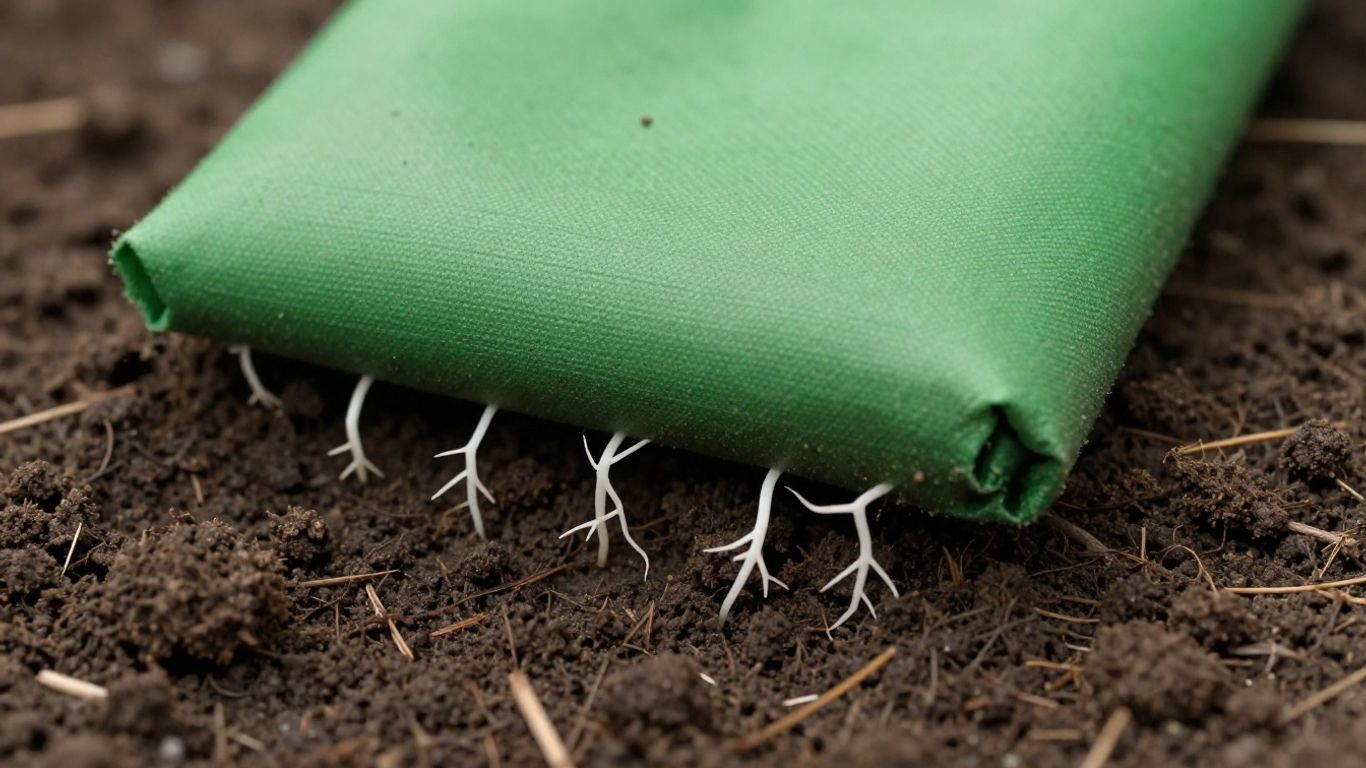
When you’re thinking about getting that instant green lawn, timing really is everything. Laying sod isn’t just about getting grass down quickly; it’s about giving it the best shot at developing a strong root system. The season you choose can make a big difference in how fast and well your new sod takes hold.
Early Fall – The Ideal Season for Sod
If you’re asking about the absolute best time to sod grass, early fall is often the winner. Why? Because the weather conditions are usually just right. The soil is still warm from the summer heat, which is great for encouraging roots to grow downwards. At the same time, the air temperatures are cooling off, meaning less stress on the grass itself. This combination helps the sod establish itself before winter really sets in. You’ll typically see roots start to knit into the soil within about 10-14 days during this period. Plus, fall often brings more consistent rainfall, reducing your watering chores.
Spring Sod Installation – What to Expect
Spring is another popular time to lay sod, and for good reason. The ground is thawing, and things are starting to grow again. You can expect similar rooting times to fall, usually around 10-14 days for those initial shallow roots to form. However, spring can be a bit more unpredictable. You might get late frosts, or a sudden heatwave could stress the new sod. It’s important to be ready to adjust your new sod watering schedule based on the weather. While spring is a good option, it sometimes requires a bit more attention to keep the sod happy and healthy.
Here’s a quick look at how seasons can affect rooting:
| Season | Typical Rooting Time (Shallow Roots) | Notes |
|---|---|---|
| Early Fall | 10-14 days | Warm soil, cool air, good moisture |
| Spring | 10-14 days | Ground warming, potential weather swings |
| Summer | 5-15 days | Fast rooting, but high stress and watering needs |
| Winter | 20-30 days | Slow rooting, ground may freeze |
Getting sod installed at the right time of year is a big step, but it’s not the only factor. Proper soil preparation beforehand and consistent watering afterward are just as important for helping your new lawn thrive. Don’t forget to check out tips for preparing the ground for sod before you even order your turf.
When Is the Best Time to Plant Sod Grass?
So, you’re looking to get that instant lawn look with sod, huh? It’s definitely faster than growing from seed, but timing is still a pretty big deal if you want those roots to take hold quickly. Getting it wrong can mean a lot of extra watering and stress for your new grass.
Soil temperature and moisture requirements
Think of soil temperature like a cozy blanket for new roots. They really don’t want to get out of bed until it’s consistently warm enough. Ideally, you want soil temperatures to be in the mid-50s Fahrenheit or higher. You can grab a cheap soil thermometer to keep tabs on this. Too cold, and the roots just won’t grow much, no matter how much you water. Also, the soil shouldn’t be a muddy mess or bone dry and dusty. It needs just enough moisture to keep the dust down, making it easier for the sod to settle in.
Weather conditions that support rooting
Beyond just soil temp, the overall weather plays a role. You’re looking for a sweet spot where it’s not scorching hot, but not freezing either. Early fall is often the ideal season for sod installation because you get warm days for growth and cooler nights that help the sod establish without drying out too fast. Spring is also a good option, especially if you’re planting warm-season grasses, as the soil is warming up and there’s a whole growing season ahead. Avoid laying sod during a heatwave or right before the ground freezes solid. Extreme conditions put a lot of strain on new sod, making it harder for it to root properly. The best time to plant sod grass is when the weather is mild and consistent.
Here’s a quick rundown of what to aim for:
- Ideal Soil Temperature: Consistently 55°F (13°C) and rising.
- Ideal Air Temperature: Daytime temps in the 60s-70s°F (15-25°C) are great.
- Moisture: Soil should be moist but not waterlogged.
- Avoid: Extreme heat, frost, or prolonged drought.
Tips to Help Sod Root Faster After Installation
So, you’ve got your new sod laid down. Awesome! But just because it looks green doesn’t mean it’s ready to party. Getting those roots to dig in deep is the real goal, and there are a few things you can do to help.
First off, water is your best friend, but don’t drown the poor thing. For the first week or so, you’ll want to water it pretty frequently – maybe two or three times a day. The idea is to keep the sod consistently moist, not soggy. After that, you can slowly back off. Think of it like training wheels for your lawn; you gradually remove them as it gets stronger. By week four, you should be able to switch to a more normal watering routine, about an inch of water per week, adjusting for any rain.
Here’s a quick rundown of the watering adjustment:
- Days 1-7: Deep watering, 2-3 times daily.
- Weeks 2-3: Reduce to once per day.
- Week 4+: Aim for about 1 inch per week, rain permitting.
Another thing: resist the urge to mow too soon. Seriously, let it be for at least two weeks. You want to wait until the sod is pretty well attached to the soil. You can test this by giving a corner a gentle tug. If it stays put, you’re probably good to go. When you do mow, don’t scalp it; just take off the top third of the blade. This helps the grass focus on root growth instead of just growing taller.
Don’t forget about the soil underneath. If you didn’t do a great job preparing it before laying the sod, you might need to give it a little boost. Adding some compost or a soil amendment designed to help roots can make a big difference. It’s all about giving those roots the best possible environment to spread out and grab hold.
Finally, remember that sod installation timing for healthy roots is key, but aftercare is where the magic really happens. Be patient, stick to a good watering plan, and avoid stressing the new grass, and you’ll have a lush, well-rooted lawn before you know it.
Conclusion
So, getting new sod down is pretty straightforward, but making sure it actually takes root and grows well takes a little know-how. Remember, those first shallow roots pop out in about two weeks, and a really solid, deep root system can take anywhere from a month to six weeks. The season you lay it down matters too – summer can speed things up, while winter slows it down. The biggest takeaway here is that good ground prep and consistent watering, especially early on, are way more important than you might think. Get those basics right, and your new lawn has a much better shot at becoming that lush green space you’re hoping for.
Frequently Asked Questions
What’s the absolute best time to put down sod?
The sweet spot for laying sod is usually early fall. The weather is cooler, which is less stressful for the grass, but the ground is still warm enough for the roots to dig in and get comfy. Spring is also a good time, but fall often gives the sod a bit of an edge.
How long does it take for new sod to start growing roots?
Your new sod will begin to sprout shallow roots in about 10 to 14 days. These are like the first little anchors. For the grass to be truly established with deeper roots, it typically takes about 2 to 6 weeks, sometimes a bit longer.
Does the season really change how fast sod roots?
Yes, it does! In warm summer weather, sod can start rooting pretty quickly, sometimes in as little as 5 to 15 days. But if you lay sod in the winter, it might take much longer, maybe 20 to 30 days, because the ground is cold.
What should I do right after laying sod to help it root?
The most important thing is to water it well! For the first week, give it a good drink of water maybe twice a day. Keep foot traffic off it and try not to mow it for at least two weeks, or until you can gently tug on a piece and it stays put.
When can I start mowing my new sod lawn?
Hold off on mowing for about 13 to 15 days after you lay the sod. Before you mow, give a corner a gentle tug. If it feels firmly attached to the ground, it’s probably ready. When you do mow, only cut off the very top part of the grass blades, like a third of the height, and make sure your mower blades are sharp.
Are there any big mistakes I should avoid when trying to get sod to root fast?
Definitely! Don’t mow too early or too short. Also, be careful with watering – too much can drown the roots, and too little lets them dry out. And wait about a month before you put down any fertilizer, otherwise, you might burn the new roots.