
By KJ Landscape & Design Team | Reviewed by KJ Landscape & Design’s Certified Landscaping & Tree Removal Specialists | Updated August 2026
Key Takeaways
Ottawa’s tree bylaws can affect private-property work, construction planning, and the timing of a removal project. The safest approach is to identify the tree, confirm which rules apply, and obtain written approval before any regulated work begins.
- Protected trees may require approval before removal or major work.
- Tree size, species, location, and municipal designations can affect the rules.
- A permit application may require property details, tree information, and supporting documents.
- Hazardous or dead trees can still require documentation, especially when the situation is not obvious.
- Replacement planting or other conditions may apply after an approved removal.
What Is Ottawa’s Tree Protection Bylaw?
Ottawa’s tree protection bylaw is one of several tree bylaws designed to preserve trees that contribute to neighbourhood character, environmental health, and the city’s urban canopy. It can regulate the removal of trees on private property, particularly where a tree meets a defined size or designation threshold. The rules are not simply a ban on cutting trees. In our experience, many homeowners begin planning a new patio, driveway, pool, or landscape renovation before realizing a protected tree may affect the project timeline. Understanding the applicable tree protection bylaw early helps avoid unnecessary redesigns and permit delays.
For homeowners planning a professional landscaping project in Ottawa, the practical question is usually whether planned work affects a protected tree. That may arise during a backyard renovation, an addition, a driveway change, or removal of a declining tree. Our team encourages homeowners to confirm applicable requirements before cutting because understanding the experience of a local landscaping company can help prevent costly mistakes during planning.
The bylaw should also be read alongside zoning rules, site-specific approvals, and requirements affecting trees near streets or other public areas. Municipal information and application requirements can change, so confirm the current City of Ottawa process before arranging work. A written record of that check is useful if questions arise later.
Ottawa Tree Bylaws Explained: Distinctive Tree vs Urban Tree Protection
The city’s tree bylaws include more than one form of protection, and understanding these requirements is essential before planning tree removal, landscaping, or construction work. A tree may be protected because it is considered distinctive, because it falls within an urban tree protection framework, or because its location connects it to development controls. These categories can overlap, but they should not be treated as interchangeable.
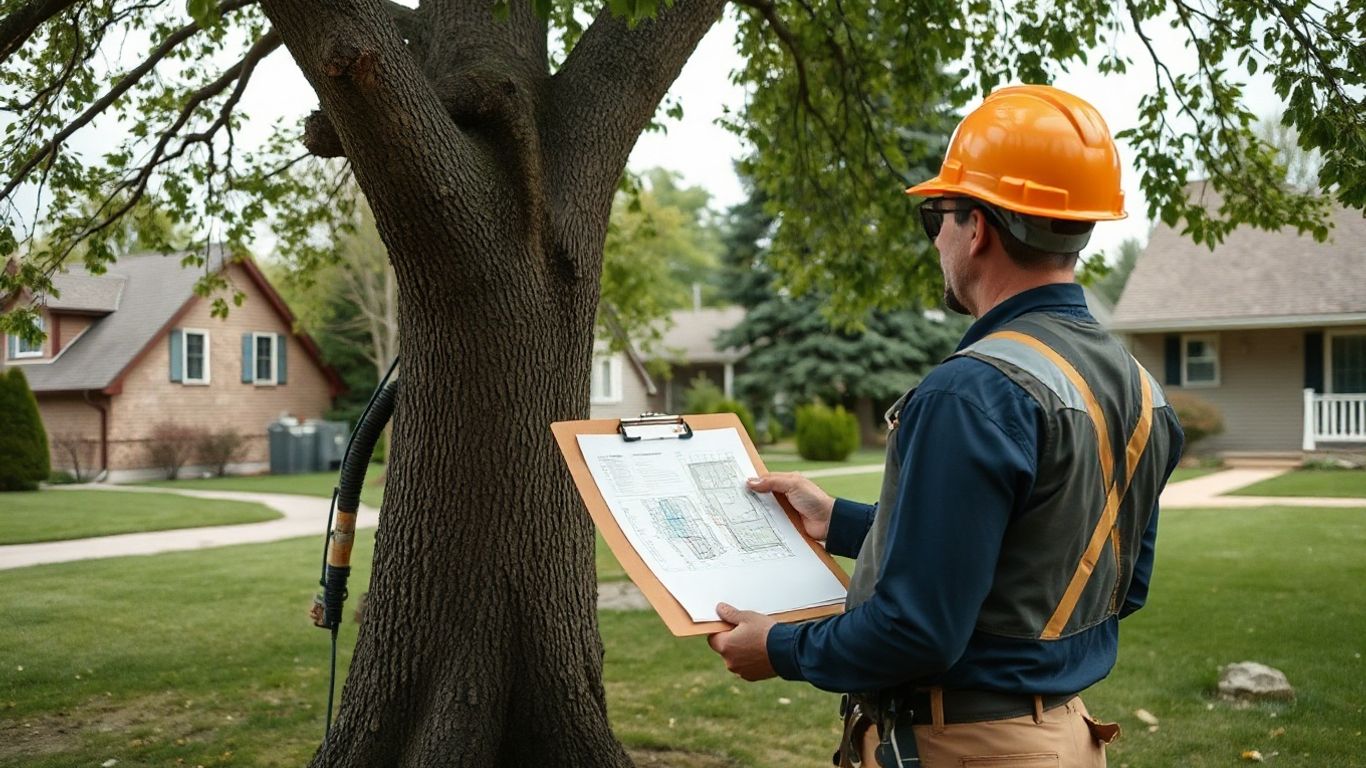
The first step is identifying both the property and the tree. Before recommending removal or redesigning a landscape, we always encourage homeowners to confirm whether the tree falls under Ottawa’s tree protection bylaw, since property location and tree size can significantly affect what work is permitted. A municipal map, zoning review, site plan, or direct inquiry may be more reliable than a neighbour’s experience with a similar-looking tree. The practical aim is to establish the applicable rule before work begins, especially if you’re planning an outdoor living project in Ottawa, rather than guessing based on a tree’s appearance alone.
How to Check If a Tree on Your Property Is Protected
Before planning tree removal, a new driveway, patio, or backyard renovation, verify whether your property is affected by the city’s current tree protection bylaw. Confirming this early helps avoid project interruptions after contractors or materials have already been scheduled.
If construction is planned, review the entire site rather than looking only at the tree marked for removal. Excavation, grading, storage of materials, and vehicle access may affect the root area even when the trunk is left standing. The idea of a protected root zone is also familiar in municipal development guidance, including this overview of tree protection zones, although that external page concerns another jurisdiction and should not be used as Ottawa law.
What Counts as a Protected Tree in Ottawa
A protected tree is generally one that meets the City’s distinctive tree threshold – 30 cm or more in trunk diameter on properties one hectare or less in the urban area, or 10 cm or more on larger properties and Planning Act applications, as defined by the City of Ottawa’s Distinctive Tree By-law. The exact test depends on the provision being applied, which is why a broad statement such as “all large trees are protected” can be misleading. A tree’s position on private property does not, by itself, settle the question.
Keep a simple record before contacting the City or a qualified professional. It can include the address, approximate measurements, species, condition, photographs, and the reason removal is being considered. This information helps separate a routine maintenance question from a regulated removal request.
Planning Tree Removal or a Landscaping Project in Ottawa?
Before removing a tree, it’s important to understand how the city’s tree bylaws, the tree protection bylaw, and other municipal requirements may affect your project. Planning can help avoid permit delays, redesigns, and unexpected costs.
If you’re moving forward with an approved project, KJ Landscape & Design provides professional tree removal, stump removal, and landscaping services throughout Ottawa. Call +1 (613)-229-0213 to schedule your estimate and discuss the next steps.
What’s New in the Ottawa Zoning Bylaw 2026 for Trees
The phrase “Ottawa zoning bylaw 2026 trees” is often used broadly, but zoning and tree protection are not always the same instrument. Zoning can affect where buildings, additions, driveways, and landscape changes may occur, while tree rules may govern whether a particular tree can be removed. A project may therefore need more than one kind of review.
For 2026 work, homeowners should confirm the current wording, maps, forms, and fees rather than relying on an older blog post or an outdated application. Changes may affect development permissions, setbacks, landscaping expectations, or how a site is assessed. The relevant details depend on the address and the proposed work.
A useful planning habit is to review trees before finalizing the design. Moving an addition, pool, patio, or access route early may preserve a tree and reduce approval complications. It can also prevent a late discovery that a preferred layout requires a separate tree-related application.
When Do You Need a Permit to Remove a Tree in Ottawa?
A permit or other municipal approval may be needed when a tree falls within a protected category, and the proposed work is removal rather than ordinary pruning. The answer can depend on trunk size, species, location, and whether the property is subject to development-related controls. When the facts are uncertain, treat the tree as potentially regulated until the City confirms otherwise before scheduling tree removal services in Ottawa.
Do not confuse a tree removal permit with permission for every kind of tree work. Pruning, emergency response, construction protection, and work near a public right-of-way may involve separate expectations. The safest application is one that describes the actual work, not just the desired result.
Tree Diameter, Species, and Location Thresholds That Trigger a Permit
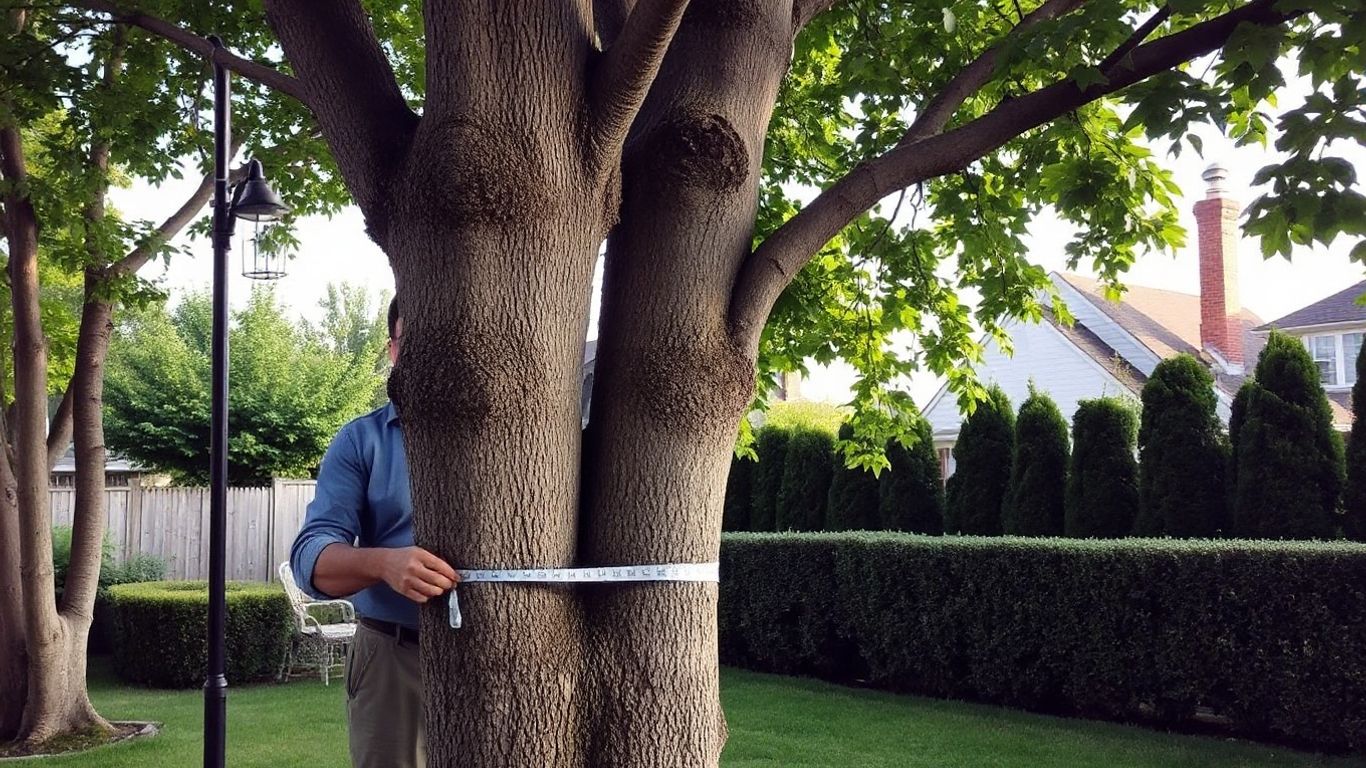
Diameter is often a key screening factor, but it is only one part of the assessment. Measure the trunk exactly as the City instructs, identify the species as accurately as possible, and record the tree’s location on the lot. A tree near a street or within a development area may be treated differently from one in an ordinary backyard.
The following checklist helps organize the initial review, although it does not replace confirmation from Ottawa:
- Measure the trunk using the municipality’s stated measurement method.
- Record the species, approximate age, and visible condition.
- Photograph the tree from several sides, including its base and canopy.
- Mark the tree on a sketch or site plan with nearby buildings and proposed work.
This preparation makes it easier to explain why removal is being considered and whether alternatives were examined. It also gives an arborist or municipal reviewer information to work from if a report is requested.
Trees You Can Remove Without a Permit
Some trees may fall outside the applicable protected definitions, but homeowners should not assume that every unlisted or smaller tree is automatically exempt. The property’s location, current bylaw wording, and relationship to a development application can change the answer. Trees in public areas or near municipal infrastructure should receive particular caution.
Before scheduling removal, confirm the exemption in writing or through the City’s current guidance. Keep that confirmation with photographs and the date of the inquiry. If the tree is unsafe, document the hazard and ask what emergency or post-removal notification requirements apply.
How to Apply for a Tree Removal Permit in Ottawa
A tree removal application should explain what tree is involved, where it is located, why removal is requested, and what work will take place. Clear information is usually more helpful than a long general statement about inconvenience. If the request relates to construction, include the broader site context so the reviewer can understand the conflict.
Apply before any cutting, stump work, or site preparation that could be considered part of the removal. Starting first and asking later can create enforcement issues, even when the homeowner believed the tree was unsafe or unsuitable. Keep copies of the submitted form, attachments, correspondence, and any approval conditions.
What to Expect: Documents, Timelines, and Inspections
Depending on the situation, the City may ask for property information, photographs, measurements, a site plan, the reason for removal, or professional support describing the tree’s condition. A development project may require additional plans showing trees to retain, remove, or protect. Requirements and timelines can vary, so avoid booking irreversible work until the approval path is clear.
An inspection may be part of the review, particularly where the tree’s condition or location is disputed. Be prepared to provide access and to explain what alternatives were considered. Approval may include conditions such as replacement planting, protection of nearby trees, or limits on when work can occur.
For a homeowner, the process is less stressful when the file tells one consistent story: the measurements match the photographs, the site plan matches the property, and the requested work matches the stated reason. If the City asks for clarification, respond promptly and retain the updated version of every document.
Penalties and Fines for Violating Ottawa’s Tree Bylaws
Removing a protected tree without the required approval can lead to enforcement action, financial penalties, and an obligation to replace or otherwise compensate for the lost tree. The consequences may depend on the facts, the applicable provision, and whether the work involved one tree or a broader site disturbance. A homeowner should not assume that paying for removal ends the matter.
There can also be practical consequences for a larger project. Unapproved removal may delay construction, complicate later approvals, and create disagreement between an owner, contractor, and designer. That is why permit confirmation belongs in the project schedule before equipment arrives.
Real Cost of Removing a Protected Tree Without a Permit
The visible cost of cutting a tree is only one part of the risk. The final cost may include enforcement penalties, replacement requirements, professional reports, cleanup, delays, and redesign work if the removal was connected to construction. In some cases, the owner may also need to address damage to neighbouring or public trees caused during the work.
A careful pre-work assessment is usually cheaper than correcting an unauthorized removal. Ask for the approval pathway, understand the conditions, and make sure the contractor has the same written instructions as the property owner. Municipal tree rules are meant to be checked before the saw starts, not reconstructed afterward.
Tree Replacement Requirements Under the Bylaw
An approved removal does not always mean the file is finished. Ottawa may require replacement planting or another form of mitigation, depending on the tree, the applicable rule, and the reason for removal. Conditions can address the number, size, species, and placement of replacement trees.
Replacement planting should begin while the permit is being prepared. Consider available soil volume, sunlight, overhead wires, mature canopy size, drainage, and the clearance needed from buildings and hard surfaces. A replacement that is technically planted but poorly suited to the site may not thrive.
The approval should be read carefully for deadlines and follow-up obligations. Photographing the planting, keeping receipts, and recording the species and location can help demonstrate compliance. If the site cannot support the requested planting, raise that issue during the application rather than after the condition becomes difficult to meet.
A replacement plan may also influence the broader landscape design. Tree placement can provide shade and privacy without blocking access or creating future conflicts with patios, walkways, or services. Thoughtful planning turns a bylaw condition into a workable part of the yard rather than an afterthought.
Exemptions to the Ottawa Tree Protection Bylaw
Exemptions are narrow and fact-specific, so the word should not be treated as a general permission to remove a tree. Some situations involving danger, disease, or death may receive different treatment, but the homeowner may still need to document the condition or notify the City. The applicable rule should be confirmed before work proceeds whenever circumstances allow.
Emergency situations deserve a prompt, practical response, especially when a tree threatens people, buildings, or essential access. Even then, take photographs first if it is safe, contact the appropriate municipal office, and keep records of the advice received. Do not remove more of the tree than is reasonably necessary to address the immediate hazard.
Dead, Diseased, or Hazardous Tree Exemptions
A tree that appears dead, diseased, or dangerous may still require an assessment. Dead branches, fungal growth, storm damage, and leaning trunks can have different implications, and a visual impression may not establish the legal status of the whole tree. A qualified arborist’s observations, photographs, and dated notes can help explain the condition.
If an exemption applies, confirm whether it covers complete removal, limited work, or only an emergency response. Ask whether a report, notice, inspection, or replacement planting is still required. The more significant the tree or the more connected the work is to development, the more valuable a documented decision becomes.
How KJ Landscape & Design Helps Homeowners Navigate Ottawa’s Tree Bylaws
KJ Landscape & Design provides professional tree removal in Ottawa, including safe, compliant tree removal, debris cleanup, and stump grinding. That documented scope fits the practical work that follows a removal decision, while the homeowner remains responsible for confirming which municipal approvals apply. Clear communication about the tree’s location, condition, and intended work helps keep the project orderly.
For homeowners who are still shaping the property plan, KJ Landscape & Design also offers information about the difference between felling a tree and complete tree removal, along with the importance of professional assessment. That distinction can help clarify whether the project involves taking down the tree, removing the remaining stump, or preparing the area for new landscaping.
KJ Landscape & Design can also support the physical site work after the regulatory questions have been addressed, leaving the area ready for new landscaping through debris cleanup and stump grinding. Keep the permit or written exemption available, share its conditions with the crew, and confirm the planned scope before work begins. A well-documented handoff protects both the property and the project schedule.
The best result is not simply a cleared space. It is a removal carried out for a documented reason, under the right approval, with the site left safe and ready for its next use.
Conclusion
Ottawa’s tree bylaws reward early checking: identify the tree, confirm the applicable protection, apply before removal when required, and plan for any replacement or follow-up conditions. With those steps handled before work begins, homeowners can make landscape and construction decisions with fewer surprises.
Frequently Asked Questions
Do I need permission to remove a tree on private property?
Possibly. Permission may be required when the tree meets a protected definition based on size, species, location, or a site-specific development rule. Confirm the current City of Ottawa requirements before removal.
How do I know whether my tree is protected?
Review the City’s current guidance, measure the trunk as instructed, identify the species and location, and check whether the property is subject to development-related controls. When uncertain, request confirmation before arranging work.
Can I remove a dead or dangerous tree immediately?
An immediate hazard may be treated differently, but documentation and municipal notification can still be required. Photograph the condition if safe and ask what emergency procedure applies.
Does pruning require the same approval as removal?
Not necessarily. Pruning, removal, work near public areas, and construction-related tree protection may involve different rules. Describe the exact work when seeking guidance.
What information should a permit application include?
Useful information includes the property address, tree measurements, species, photographs, a site plan, the reason for removal, and details of proposed replacement or related construction work where applicable.
Are replacement trees always required after removal?
Not always. Replacement requirements depend on the applicable rule, the tree involved, and the approval conditions. Read the decision carefully and plan for planting obligations before removing the tree.
What happens if a protected tree is removed without approval?
The owner may face penalties, replacement or mitigation requirements, project delays, and additional professional or restoration costs. The consequences depend on the circumstances and the applicable bylaw provision.