
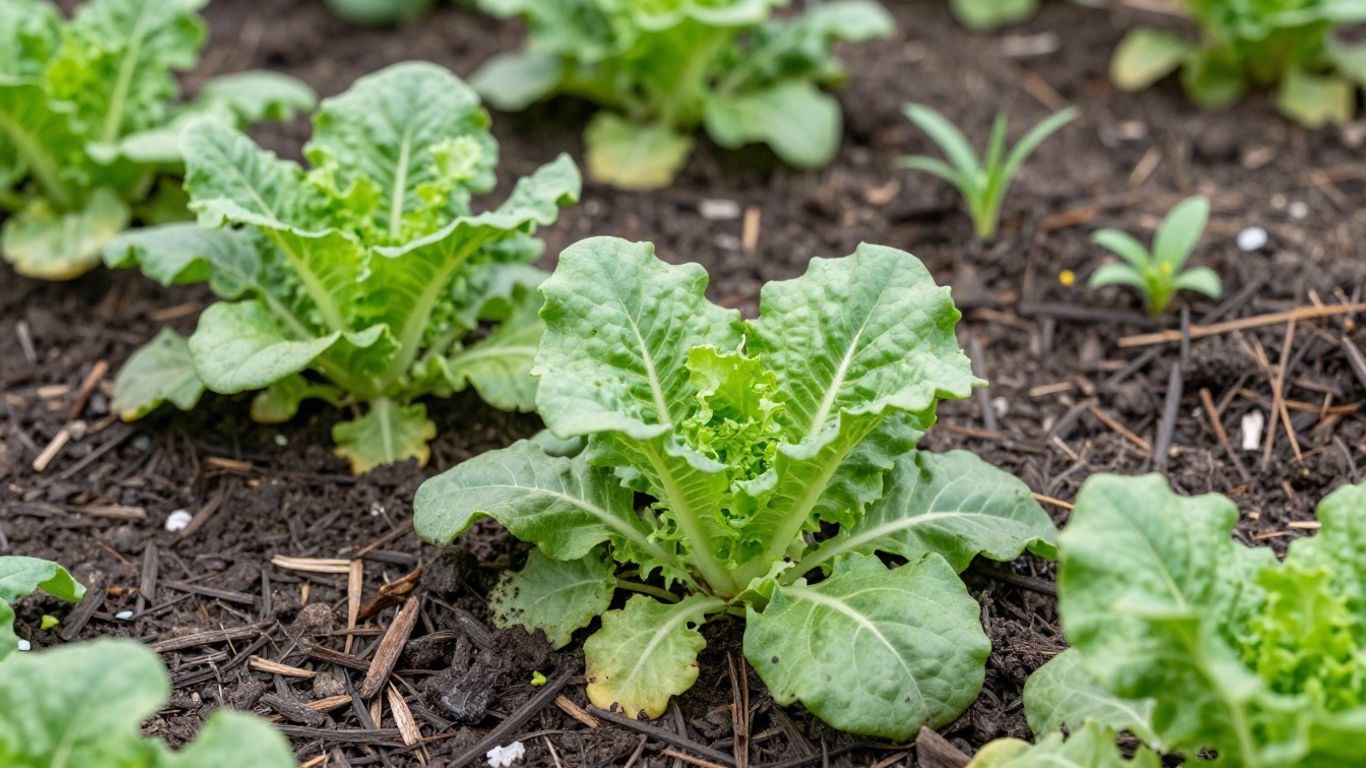
Tired of battling weeds in your garden beds? It feels like you spend more time pulling them than enjoying your plants, right? Well, there’s a simple solution that can make a huge difference: mulch. Applying a good layer of mulch to your garden can seriously cut down on the time you spend weeding, keep your soil moist, and even make your garden look tidier. Let’s talk about how to get this done right.
Why Weeds Grow in Garden Beds
It can be frustrating, right? You spend time planting your garden, only to see little green sprouts popping up where you don’t want them. Weeds are persistent little things, and they have a few key reasons for taking over your garden beds.
First off, seeds. Weed seeds are everywhere. They float on the wind, hitch a ride on your shoes, get carried by birds, and can even lie dormant in the soil for years, just waiting for the right conditions to sprout. Think of your garden soil as a buffet for these tiny opportunists.
Then there’s the issue of light. Most weeds, like many garden plants, need sunlight to grow. When you have bare patches of soil, especially after a plant has been harvested or if a plant just isn’t growing very densely, it’s like rolling out a welcome mat for weeds. They’ll quickly fill in those empty spaces.
Weeds are often just plants growing in a place we don’t want them. They compete with our desired plants for water, nutrients, and sunlight, which can really slow down growth and reduce yields.
Another big factor is disturbance. Every time you dig, till, or even just walk around in your garden, you’re potentially bringing dormant weed seeds closer to the surface where they can get the light and warmth they need to germinate. Sometimes we have to disturb the soil to plant or weed, but that action itself can encourage more weeds.
Finally, some are just plain tough. They have deep taproots, spread through underground runners (rhizomes), or produce a massive number of seeds. These types of weeds can be particularly challenging to get rid of completely once they’ve established themselves. They’re like the garden invaders that just don’t know when to quit.
How Mulch Prevents Weeds in Garden Beds
So, how exactly does a layer of mulch work its magic to keep those pesky weeds at bay? It’s actually pretty straightforward, and it all comes down to blocking what weeds need to get started.
First off, weeds, just like your prize-winning tomatoes, need sunlight to grow. When you lay down a good, thick layer of mulch – and we’re talking at least 2 to 3 inches, maybe even 4 inches for tougher areas – you’re essentially creating a dark blanket over the soil. This blocks out the sun’s rays, making it really hard for weed seeds that are just chilling in the soil to sprout. If they can’t get light, they can’t get going.
Beyond just blocking light, it also acts as a physical barrier. Think of it like a little speed bump for any weed seeds that might blow in on the wind or get carried in by birds. They land on the mulch, but they have a much harder time pushing their way down through it to reach the soil and start growing. It’s a simple but effective way to stop them before they even become a problem.
The key is a consistent, thick layer. Too thin, and you’ll still see weeds poking through. It’s like trying to build a fence with just a few pickets – it doesn’t really do the job.
Here’s a quick rundown of how it works:
- Blocks Sunlight: Prevents weed seeds from germinating.
- Physical Barrier: Makes it difficult for seeds to reach the soil and sprout.
- Moisture Retention: Healthier soil means stronger plants that can outcompete weeds.
- Easier Removal: Any weeds that do manage to sprout are usually shallow-rooted and super easy to pull.
And honestly, the difference is huge. Instead of spending your weekends wrestling with stubborn weeds, you’ll find yourself doing quick, easy spot-weeding, if anything at all. It really gives you back some precious garden time.
Best Types of Mulch for Garden Beds
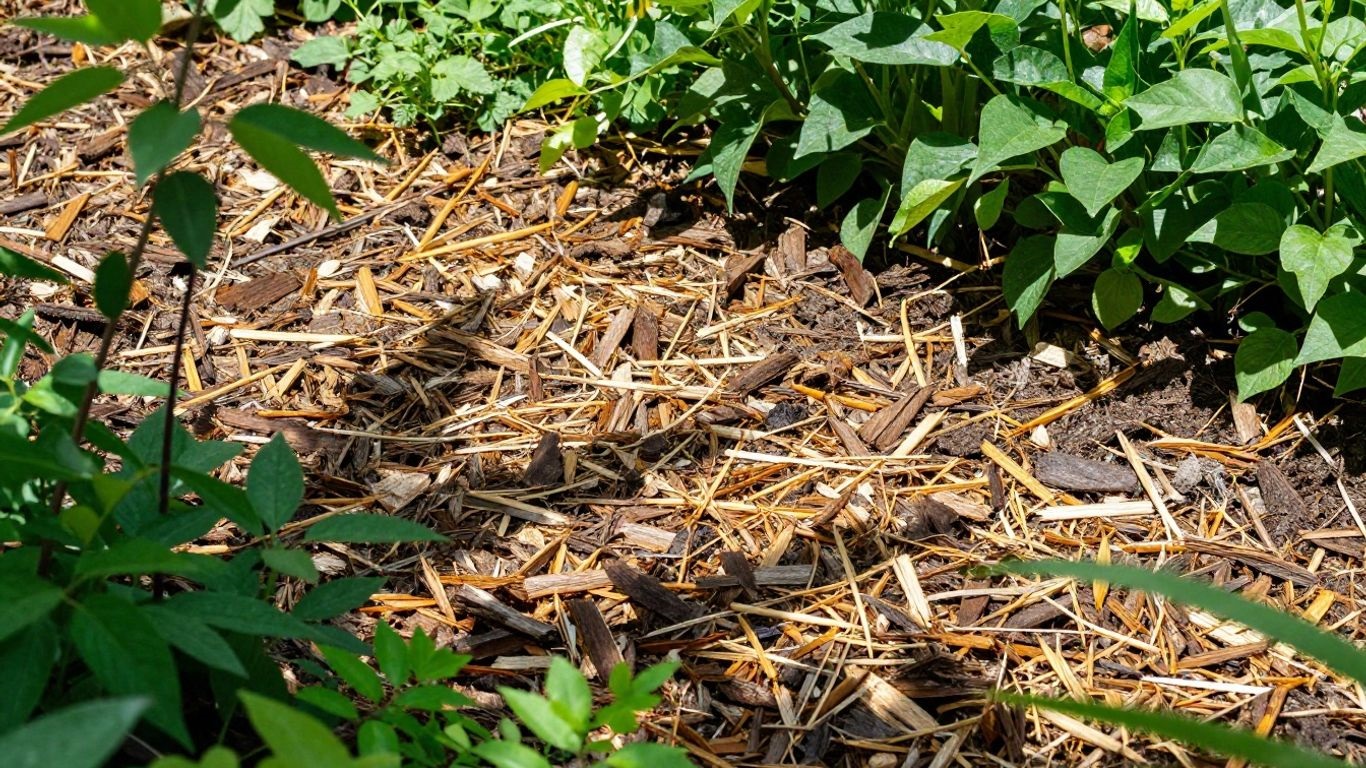
Choosing the right mulch in Ottawa is key to keeping those pesky weeds at bay while also benefiting your garden. You’ve got a lot of options, and what works best can depend on your garden type, your budget, and what you find looks good.
For organic gardeners, natural materials are often the go-to. Things like shredded bark, wood chips, straw, and compost are fantastic. They break down over time, adding nutrients back into the soil, which is a nice bonus. Bark and wood chips are particularly good at forming a dense layer that really smothers weeds. Straw is great for vegetable gardens, but make sure it’s weed-free straw, otherwise, you’re just inviting trouble.
Compost is a double-duty hero – it suppresses weeds and enriches your soil. Grass clippings, if applied thinly and allowed to dry, can also work, but be careful not to let them mat down and get slimy. Leaves are another free resource, especially in the fall. Just shred them up a bit so they don’t blow away easily.
Then there are the inorganic options. Gravel, stones, and pebbles look nice and last a long time, but they don’t add anything to the soil and can sometimes make weeding harder if seeds get trapped between them. They also don’t retain moisture as well as organic mulches.
When picking your mulch, think about how it will interact with your soil and plants. Some materials can affect soil pH, and you always want to avoid piling it directly against plant stems, as this can lead to rot and pest problems.
Here’s a quick rundown of some popular choices:
- Wood Chips/Bark: Long-lasting, good weed suppression, breaks down slowly. Can sometimes tie up nitrogen as it decomposes.
- Straw: Inexpensive, good for vegetable gardens, decomposes well. Can blow around if not secured and might contain weed seeds if not certified weed-free.
- Compost: Excellent for soil health, suppresses weeds, adds nutrients. Can be more expensive if you’re buying it.
- Leaves: Free, readily available in fall, good soil amendment. Shredding helps prevent matting and blowing away.
- Gravel/Stone: Very durable, decorative, good drainage. Doesn’t add nutrients, can get hot, and may harbor weeds over time.
Ultimately, the best mulch is one that you’ll actually use and maintain. A layer of about 3-4 inches is usually recommended for effective weed control.
How to Apply Mulch Properly in Garden Beds
Alright, so you’ve got your mulch, and you’re ready to get it down. It’s not rocket science, but doing it right makes a huge difference in how well it actually stops those pesky weeds. First things first, you want to apply it when the soil is moist and not frozen. Trying to mulch frozen ground is just a mess, and it won’t settle in right. Also, make sure you’ve cleared out any existing weeds before you start. Laying it over a bed of weeds is just asking for trouble later on.
The ideal thickness for most mulches is between 2 to 3 inches. Too thin, and weeds will poke through like they own the place. Too thick, and you can actually suffocate your plants or prevent water from getting down to the roots. It’s a bit of a balancing act.
Here’s a quick rundown of how to get it done:
- Prepare the Area: Pull out any existing weeds. Seriously, get them all. If you’re planting new things, you can plant right through your mulch layer, but for established beds, clear them out first.
- Moisten the Soil: Give the soil a good watering if it’s dry. It works best when it can settle into damp soil.
- Apply the Mulch: Spread your chosen mulch evenly over the soil surface. Keep it a little away from the base of plants, especially woody ones. You don’t want moisture trapped right against the stems, as this can lead to rot or other issues. Think of it like a little moat around your plants.
- Check the Depth: Use a ruler or just eyeball it to make sure you’re hitting that 2-3 inch sweet spot. For trees and shrubs, spread it out to the edge of their canopy, but again, keep it away from the trunk.
Some people like to use a layer of newspaper or cardboard underneath their organic mulch. This can add an extra layer of weed suppression, especially when you’re first starting out. Just make sure to overlap the edges well and wet it down so it doesn’t blow away. It will break down over time and add to the soil, which is a nice bonus.
Different types of mulch have slightly different application needs, but the general principles remain the same. For instance, if you’re using something like gravel or stone, you might not need as thick a layer as you would with wood chips, and it won’t decompose to feed the soil. Remember, the goal is to create a barrier that blocks sunlight from reaching weed seeds while still allowing air and water to get to your plants. If you’re dealing with a tricky slope, consider how your mulch will stay in place, much like you would when planning for sloped backyard landscaping.
Using Mulch in Raised Bed Gardens
Raised bed gardens are fantastic for controlling soil quality and making gardening services more accessible, but they can still be magnets for weeds. Using it in your raised bed garden is a super effective way to keep those pesky plants from taking over. It’s not just about stopping weeds, though; a good layer of mulch helps keep the soil moist, which is a big win, especially during dry spells. This means less watering for you and happier plants.
When you’re thinking about raised bed garden mulch, remember that the depth matters. Aim for at least 3 to 4 inches. Anything less, and you’ll find weeds poking through pretty quickly. I learned that the hard way one year when I tried to stretch my mulch too thin – big mistake! Weeds popped up like crazy, and I was back to square one.
Here are a few things to consider for your raised bed garden mulch:
- Material Choice: Organic mulches like wood chips, shredded bark, or compost are great because they break down over time, adding nutrients back into your soil. Inorganic options like gravel or stone work in Ottawa can also work, but they don’t offer the same soil-enriching benefits.
- Application: Make sure to apply it evenly, leaving a small gap around the base of your plants. You don’t want the it piled right up against the stems, as this can encourage rot or provide a cozy home for pests.
- Weed Barrier: For extra weed control, especially in new beds, you can lay down a layer of cardboard or newspaper before adding your main mulch. Just be sure to overlap the edges well. This is a fantastic way to smother existing weeds and prevent new ones from sprouting. You can even find a blend of compost and a top layer of mulch recommended for raised beds to help retain moisture.
Applying it to your raised beds is a straightforward process that pays off big time. It’s one of those simple gardening tasks that makes a huge difference in how much time you spend weeding versus enjoying your garden. Plus, it just makes the whole setup look tidier.
So, whether you’re using wood chips, straw, or compost, getting that mulch bed set up in your raised garden is a smart move for healthier plants and fewer weeds. It’s a win-win for any gardener looking to simplify their routine and improve their raised bed garden mulch results.
Common Mulching Mistakes That Cause More Weeds
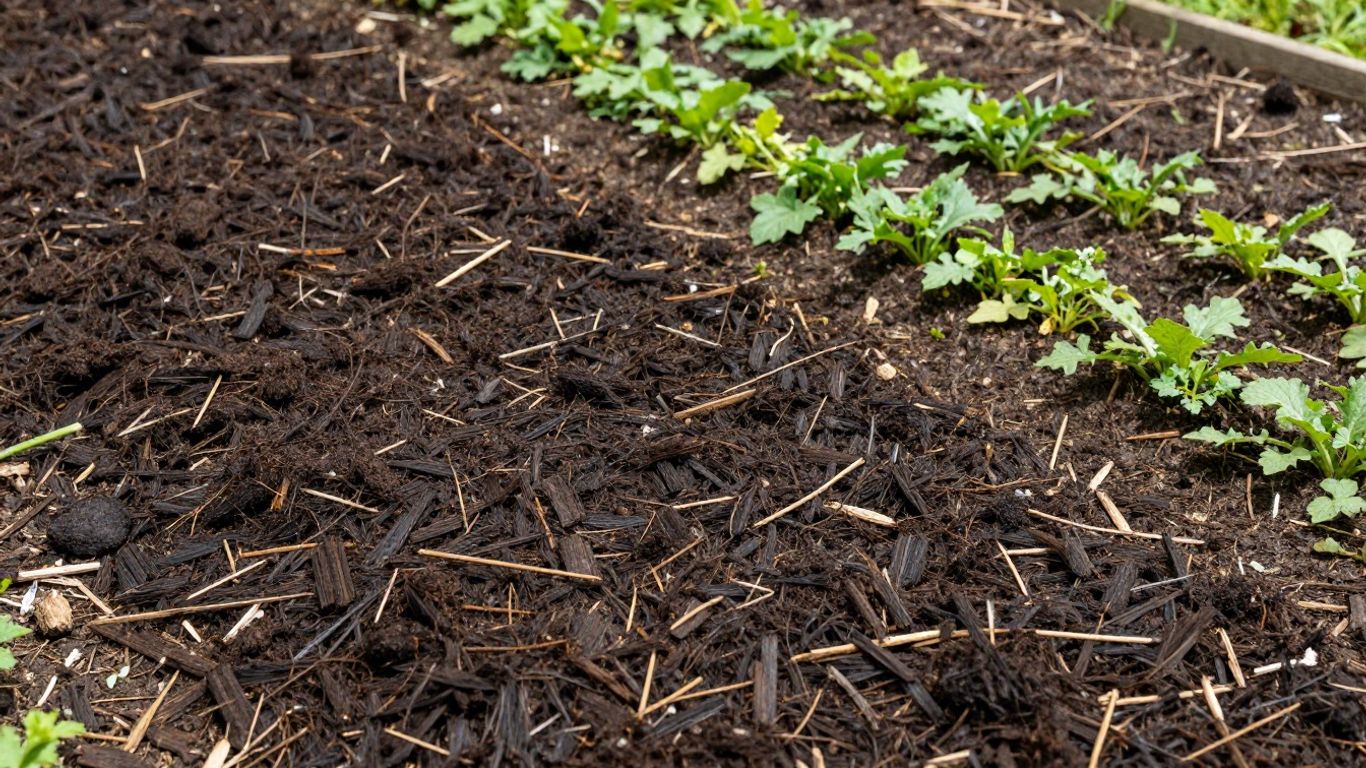
Even with the best intentions, sometimes it can actually make your weed problem worse. It’s a bit frustrating when you think you’re doing everything right, only to see more weeds popping up. Let’s look at a few common slip-ups.
One big issue is not using enough mulch. You might think a thin layer is enough, but weeds are surprisingly persistent. They can push right through a skimpy covering. Aim for at least 3-4 inches of mulch, especially if you’re using organic materials like wood chips or straw. Less than that, and you’re just giving weeds a fighting chance. It’s like building a flimsy fence – it won’t keep much out.
Another mistake is piling it too high right up against plant stems or tree trunks. This isn’t just bad for weeds; it can actually harm your plants. It keeps the stem too wet, making it soft and inviting diseases. Plus, it can block air and water from getting to the soil where it’s needed. Remember, the goal is to smother weeds, not suffocate your plants.
Here are a few other things to watch out for:
- Using low-quality or weed-infested mulch: Sometimes, the “cheap” mulch you buy can actually contain weed seeds or bits of weeds that will happily sprout in your garden. Always check your source if you can.
- Not overlapping barriers properly: If you’re using newspaper or cardboard as a base layer, make sure the pieces overlap generously. Gaps are invitations for weeds to sneak through.
- Relying solely on landscape fabric: While it can help, landscape fabric isn’t always the magic bullet. Weeds can grow on top of it, and over time, soil and debris can accumulate, giving them a place to root. Plus, it can be a pain to remove later if you change your mind about your garden layout.
Sometimes, the simplest solutions are the most effective. When it comes to mulching, consistency and proper application are key. Don’t get discouraged if you see a few stragglers; just pull them and add a bit more next time.
If you’re using materials like fresh grass clippings or uncomposted leaves, be aware they can sometimes tie up nitrogen in the soil as they break down. This might leave your plants a little hungry. It’s often better to let these materials sit for a bit or mix them with other composted materials. For a truly weed-free start, consider using a good quality organic compost as a base or top layer of soil.
When to Add Mulch to Garden Beds
So, you’re ready to get mulching! That’s great. But when exactly is the best time to lay down that protective layer? Honestly, you can add it pretty much any time of year, as long as the plants you want to cover are visible. However, there are definitely some sweet spots that make it even more effective.
Mid to late spring is a prime time. By this point, most of your annual weeds haven’t even thought about sprouting, and your established perennial plants are usually just starting to wake up. Adding it now gives you a head start on weed suppression and helps the soil hold onto that precious spring moisture. It’s like giving your garden a cozy blanket right when it needs it.
Another excellent window is in the autumn. As your garden winds down for the season and plants start to die back, it then offers insulation for plant roots, protecting them from the cold winter ahead. Plus, as organic mulches break down over winter, they’ll enrich the soil, setting you up for a fantastic spring.
What about new plantings? Well, if you’ve just put in new plants, you can mulch right away. They’ll benefit from the weed suppression and moisture retention from day one. Just be sure to keep the it a little away from the immediate stem of the plant to prevent any rot issues.
Here’s a quick rundown:
- Spring: Ideal for getting ahead of weeds and conserving moisture.
- Fall: Great for winter protection and soil enrichment.
- Anytime for New Plants: Give them a good start with mulch.
Remember, the goal is to create a barrier. Whether it’s spring, fall, or a random Tuesday, applying a good, thick layer (think 2-4 inches, depending on the material) over moist, weed-free soil is key to reaping the benefits of mulch. Don’t overthink it too much; just get it done when you can!
Professional Mulch Installation for Garden Beds
Sometimes, you just don’t have the time or energy to tackle it yourself. That’s where professional services come in handy for your garden beds. Hiring professional landscapers like KJ Landscape & Design means you get the job done right, without the backache or the guesswork. They know exactly how much mulch to apply – usually around four inches is recommended for good weed suppression – and how to spread it evenly.
Professionals can also advise on the best mulch types for your specific needs and climate. They’ll consider factors like drainage, soil type, and the plants you have. Plus, they often have access to bulk materials, which can sometimes be more cost-effective than buying bags from a garden center, especially for larger areas. They’ll make sure the mulch isn’t piled up against plant stems, which can cause rot, or too thin to be effective.
Here are a few things a professional service typically handles:
- Site assessment to determine the best mulch and application method.
- Proper preparation of the garden, including clearing existing weeds.
- Even application of the chosen mulch material to the correct depth.
- Clean-up of the work area after the job is done.
If you’re looking to get your garden beds mulched efficiently and effectively, consider reaching out to a local landscaping company in Ottawa.
While DIY is rewarding, professional installation takes the hassle out of the process. It’s a great option if you have a large property or simply want to ensure the job is done perfectly the first time around. They bring the tools, the knowledge, and the manpower to get it done quickly.
They can also help with ongoing maintenance plans, ensuring your garden stay protected throughout the seasons.
Conclusion
So, there you have it. Mulching is a pretty straightforward way to keep those pesky weeds from taking over your garden beds. It’s not just about looks, though a nice layer of mulch does tidy things up. It really helps cut down on the time you spend yanking out unwanted plants. Plus, it keeps the soil happy by holding in moisture. Whether you go with wood chips, leaves, or even cardboard, getting a good, thick layer down is the key. You might still see a few stragglers pop up now and then, but they’ll be way easier to deal with. Give it a try, and enjoy a more relaxed gardening season!
Frequently Asked Questions
What exactly is mulch and why do gardeners use it?
It is basically a protective layer spread over the soil in your garden beds. Think of it like a blanket for your plants! Gardeners use it for a few main reasons: to stop weeds from growing, to keep the soil moist by reducing water evaporation, and sometimes to make the garden look prettier. Depending on the type, it can also add good stuff back into the soil as it breaks down.
How does mulch actually stop weeds from growing?
Weeds need sunlight to grow, just like your plants do. When you put down a thick layer of mulch, it blocks the sunlight from reaching any weed seeds that are in the soil. Without sun, those seeds can’t sprout and grow into annoying weeds. It’s like tucking your garden into bed so the weeds can’t see where to pop up!
What are some good, simple materials to use as mulch?
You don’t need fancy store-bought stuff to mulch effectively! Great options include things like fallen leaves, grass clippings (make sure they haven’t been treated with chemicals), straw, or even shredded newspaper or plain cardboard. Wood chips and compost are also popular choices. The key is to use a material that can cover the soil well.
How thick should the layer of mulch be to work best?
For the best weed-stopping power, aim for a layer that’s about four inches deep. Anything less, and you might find weeds poking through sooner than you’d like. While it might seem like a lot, this thickness really helps block out the sun and keeps moisture in. Even with a good layer, a few stubborn weeds might pop through, but they’ll be much easier to pull.
Can I just put mulch right on top of the weeds in my garden?
You can, but it’s much more effective if you do a little prep work first. While it can smother some weeds, it’s best to remove the biggest weeds by hand before you start. For an extra strong weed barrier, consider laying down a layer of newspaper or cardboard underneath your main mulch material. This creates a super-powered weed-blocking system!
When is the best time of year to add mulch to my garden beds?
You can actually add it pretty much any time you see plants in your garden beds! A great time is in the spring after the last frost, or in the fall as plants start to wind down. If you’re creating new beds, you can mulch then too. Just make sure the soil is moist and not frozen when you apply it.