
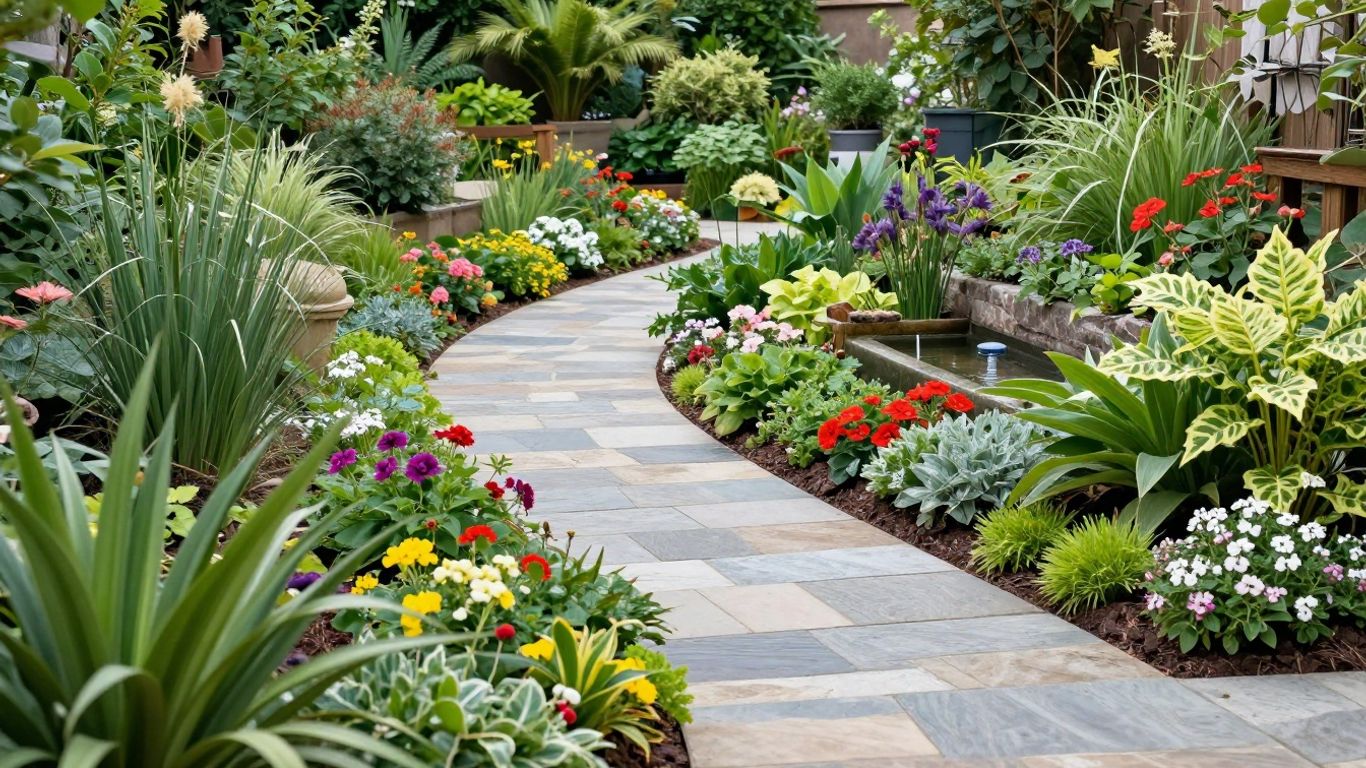
Got a backyard that slopes? Don’t let that incline get you down. Many people see a sloped yard as a problem, but it’s actually a fantastic chance to get creative with your outdoor space. With a little planning and some smart landscaping ideas for sloped backyards, you can turn that tricky terrain into something truly special. We’re talking about making your yard more interesting, functional, and beautiful, no matter the angle.
Why Sloped Backyards Are an Opportunity (Not a Problem)
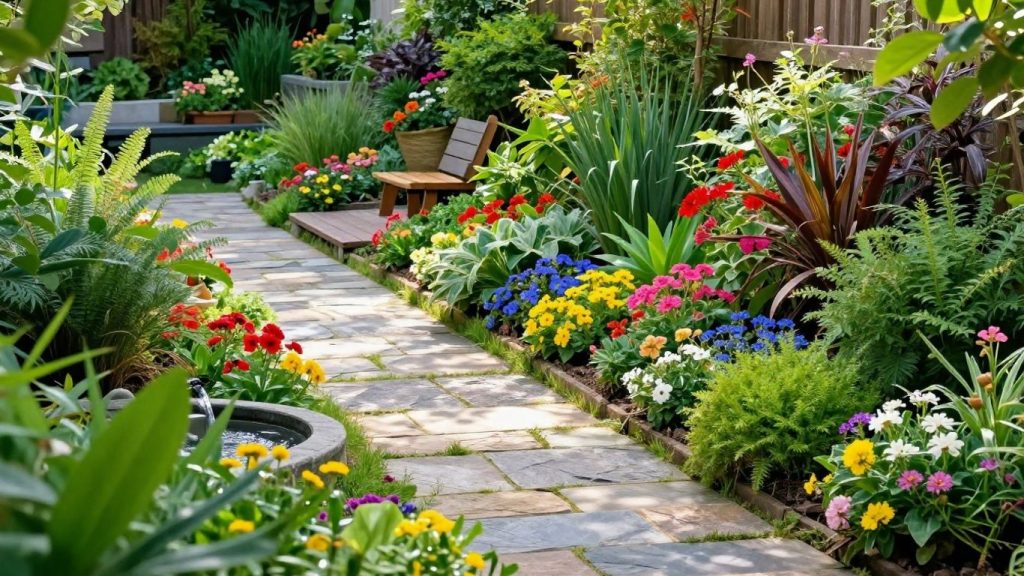
A sloped backyard might seem like a headache at first glance, but honestly, it’s more of a blank canvas than a problem. Think about it – most people have flat yards, which are fine, but a slope? That’s where you can get creative and add some real character.
Instead of just a plain lawn, a slope lets you build different levels. This means you can create distinct zones for different activities. Maybe one level is for lounging with a fire pit, and another is a quiet spot for gardening. It adds depth and visual interest that a flat yard just can’t match.
Plus, slopes naturally help with drainage. Water tends to run downhill, which can be a good thing if you plan it right. You can use this to your advantage to water plants or even create a small water feature. It’s all about working with the land, not against it.
Here are a few ways a slope can be a plus:
- Adds visual appeal: Different levels create dynamic landscapes.
- Improves drainage: Water naturally flows away, reducing pooling.
- Creates unique spaces: You can design distinct areas for various uses.
- Offers a natural challenge: It pushes you to think outside the box for design.
Assessing Your Slope Before Landscaping
Before you start dreaming up elaborate water features or multi-level patios, it’s super important to really get to know your sloped backyard. This isn’t just about looking at it; it’s about understanding what makes it tick. Understanding the specific characteristics of your slope is the first step to a successful landscaping project.
Think about the steepness. Is it a gentle incline that’s easy to walk on, or is it more of a cliffhanger situation? You can get a general idea by eye, but for more precise planning, you might want to measure the rise over run. This will tell you if you’re dealing with a mild slope or a serious hill. Also, consider the soil type. Is it sandy and loose, or is it dense clay? This affects how well plants will root and how prone the area is to erosion. And don’t forget about water. Where does the rain go when it falls? Does it pool at the bottom, or does it rush down so fast nothing can soak in? Observing water flow after a good rain is key.
Here’s a quick checklist to get you started:
- Steepness: Gentle, moderate, or steep?
- Soil Type: Sandy, clay, loam, rocky?
- Water Drainage: Where does water collect or run off?
- Sun Exposure: Full sun, partial shade, full shade throughout the day?
- Existing Vegetation: What’s already growing well (or not so well)?
Knowing these details helps you figure out what’s actually feasible. For instance, a steep slope might not be the best place for a flat, expansive patio without significant (and costly) structural work. You might need to think about retaining walls or terracing instead. It’s all about working with what you’ve got to create something beautiful and functional.
Top Landscaping Ideas for Sloped Backyard
Sloped yards can feel intimidating at first, but once you see just how many unique landscaping ideas for sloped backyard projects there are, you realize it’s all about working with the land instead of against it. Transforming a hillside can be a real adventure, not to mention it creates an outdoor area that suits your lifestyle and looks interesting from every angle. Here’s a breakdown of smart and practical options:
Tiered Retaining Walls for Structure & Style
Retaining walls give your backyard structure, stop soil from sliding away, and create tiered spaces for gardening or relaxing.
- Create flat, useful terraces
- Add visual levels to the space
- Best for yards with dramatic elevation changes
Costs will vary depending on materials—stone, wood, and concrete all have different price points. Stone walls, for example, bring a natural, custom look and can match ideas from coastal hillside landscapes.
Water Features for Hillside Landscaping
Adding water, such as a small stream, waterfall, or pond, fits naturally into sloped landscaping. Flowing water follows the grade easily—plus you get the sight and sound of movement. A few key points:
- Flows are easier to achieve on a slope
- Perfect spot for stones and aquatic plants
- Can attract birds, frogs, and other wildlife
Decking & Multi-Level Patios
Installing a deck or patio is a great way to create an outdoor living space where the land drops away. Decks can stretch out over the slope, while patios can be tucked into a terrace. This type of setup:
- Maximizes usable space
- Gives you flat ground for furniture
- Adds visual interest from above and below
Ground Cover Plants to Prevent Erosion
You’ll want to stabilize the soil with ground-cover plants that spread and lock things in. Some good options:
- Creeping juniper
- Native grasses
- Sedum
These plants often need little maintenance and help stop runoff and weeds from taking over your hillside landscaping.
Smart Drainage Solutions
Proper drainage is a must in any sloped landscaping plan. Without it, you’ll end up with washed-out beds and puddles:
- French drains or swales direct water away
- Perforated pipes can move water under walkways
- Rain gardens slow and use excess water naturally
Designing a sloped backyard takes some planning, but it turns an awkward hill into an asset that feels custom to you. Whether you go all-out with multiple terraces or keep things simple with groundcovers, the right ideas can transform any yard into something functional and beautiful.
Common Mistakes to Avoid in Sloped Landscaping
Tackling a sloped backyard isn’t as simple as planting some shrubs and hoping for the best. A poorly planned slope can lead to disappointment and a lot more work later on. A little prep goes a long way toward a thriving, low-maintenance hillside garden. Here are mistakes folks often make, and how you can sidestep them:
- Ignoring water movement: Water naturally rushes down a hill. Skipping proper drainage plans can flood low spots, drown plants, or wash away topsoil. You should always look into smart ways to keep water from pooling, like the right edging or using ground cover that helps manage runoff. For instance, good garden edging, such as stone or recycled rubber, can help keep soil where it belongs while protecting roots, as explained in the section on preventing root rot and soil erosion.
- Overlooking erosion risks: Bare patches or wrong plant choices can lead to soil sliding right down your yard. Pick tough, spreading ground covers and mulch areas that aren’t easily planted.
- Forgetting about access: Slopes are hard to walk on and even harder to mow or weed. If you don’t plan sturdy paths or steps, maintenance becomes a pain – or worse, a hazard.
- Choosing high-maintenance plants: Plants that need lots of care or water won’t last long in challenging, uneven ground. Native and drought-resistant options usually work best.
- Poorly measuring and prepping the area: Rushing into building walls or laying out terraces can mean wasted time and materials if you haven’t measured slopes and checked for drainage issues carefully.
So before you dig in, look over your plan for these common slip-ups. Working with the hillside, not against it, is the straightforward path to a backyard that’s both smart and good-looking.
When to Hire a Professional Landscaping Contractor
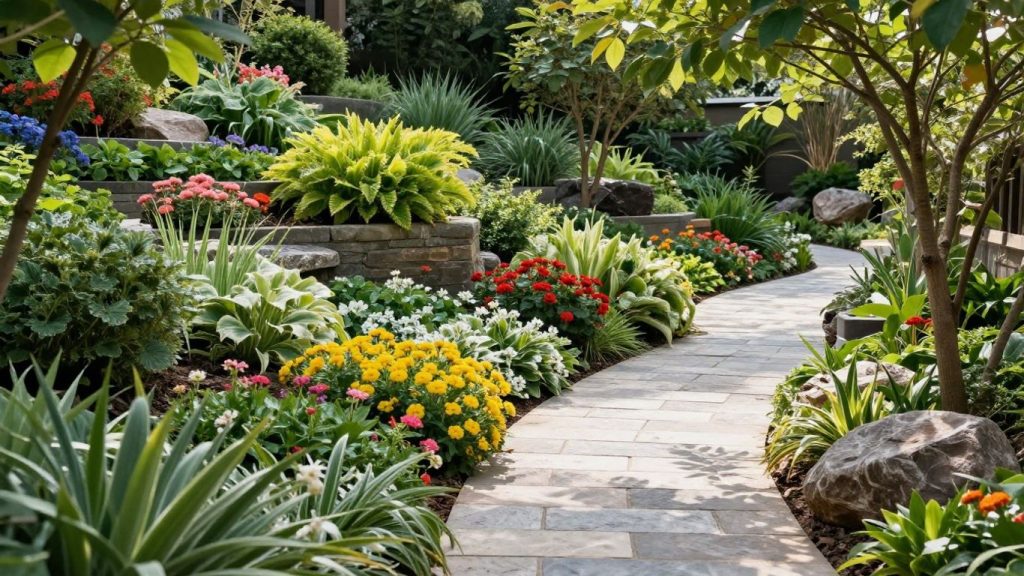
Look, sometimes you just know when a project is bigger than you can handle. While DIY is great for smaller, simpler tasks like planting a few flower beds or laying down some mulch, a sloped backyard often brings its own set of challenges. If your yard has a really steep grade, or if you’re planning major work like building multi-level decks, extensive retaining walls, or complex drainage systems, it’s probably time to call in the pros.
These aren’t just minor inconveniences; they can become serious safety hazards or lead to costly mistakes if not done right. Think about it:
- Structural Integrity: Improperly built retaining walls can fail, leading to soil erosion and potential damage to your property or even neighboring ones.
- Water Management: Slopes can cause water to run off too quickly or pool in unwanted areas. A professional can design effective drainage solutions to prevent flooding and protect your foundation.
- Safety: Installing steps, pathways, or patios on a slope requires careful planning to ensure they are stable, non-slip, and don’t create tripping hazards.
- Heavy Equipment: Larger projects might require machinery that you don’t have access to or know how to operate safely.
Don’t be afraid to admit when a job is beyond your current skill set or available resources. Hiring a professional for the heavy lifting or complex design aspects means you can still enjoy the beautiful, functional sloped yard you’ve dreamed of, without the stress and potential risks of tackling it all yourself.
Wrapping It Up
So, tackling a sloped backyard might seem like a lot at first, but as we’ve seen, it’s really just an opportunity to get creative. Whether you’re thinking about terraced gardens, cool pathways, or just letting some native plants do their thing, there are tons of ways to make that tricky terrain work for you. Don’t forget to think about how water flows and how to keep that soil in place. With a little planning and maybe a few well-placed rocks or plants, you can turn that hill into a really neat part of your outdoor space that you’ll actually want to hang out in. It’s all about making it look good and work well, no matter the angle.
Frequently Asked Questions
What’s so great about a sloped backyard?
A sloped backyard might seem tricky, but it’s actually a chance to get creative! You can build cool things like different levels for relaxing or gardening, add beautiful pathways that wind through your yard, or even create a stunning water feature. It’s all about turning a challenge into a unique and awesome outdoor space.
How can I stop my yard from washing away on a slope?
To keep the soil from washing down the hill, you can plant things that hold the soil tight, like ground covers or plants with deep roots. Building things like retaining walls or terraced garden beds also helps a lot by creating levels that stop the soil from sliding.
Are terraced gardens hard to build on a slope?
Building terraced gardens means creating flat areas on a slope, like steps. While it takes some work, it’s a fantastic way to make your sloped yard more usable for planting. It also helps prevent soil from washing away and looks really neat.
What kind of plants work best on a slope?
It’s smart to pick plants that are tough and don’t need a lot of water, like native plants or ground covers. These plants are used to the local weather and have roots that help keep the soil in place. They’re a great choice for preventing erosion and looking good too.
Can I put a patio or deck on a sloped yard?
Yes, you absolutely can! You can build multi-level decks or patios that follow the slope of your yard. This creates different zones for hanging out, dining, or just enjoying the view. It’s a great way to add usable space.
Is it expensive to landscape a sloped yard?
It can be, but it doesn’t have to be! You can save money by using materials you already have, like reclaimed wood or stones. Choosing simple designs like rock gardens or planting native ground covers can also be more budget-friendly. It’s all about planning smart.