
By KJ Landscape & Design Team | Reviewed by KJ Landscape & Design’s Certified Landscaping Specialists | Updated September 2026
Key Takeaways
Tree roots usually spread toward air, moisture, and nutrients, so the best fix is rarely to remove them blindly. With careful planting, soil management, barriers, and timely professional advice, you can protect your lawn and garden while giving the tree a reasonable chance to remain healthy.
- Watch for cracked paving, raised soil, exposed roots, and plants that are losing the competition for water.
- Avoid cutting major roots yourself, since doing so can destabilize or seriously stress the tree.
- Use root barriers and sensible planting distances before roots reach hard surfaces or garden beds.
- Improve watering, soil structure, and mulching so roots are less likely to chase moisture in one problem area.
- Ask for an assessment when damage is progressing, utilities are involved, or the tree is large and established.
Why Tree Roots Spread Into Lawns and Gardens
Tree roots spread because the soil around a tree does not always provide everything it needs in one place. Roots tend to follow pockets of moisture, oxygen, and nutrients, often growing close to the surface where those resources are easier to access. In compacted urban soil, that natural search can bring roots beneath lawns, planting beds, patios, and driveways.
The root system is also usually wider than the canopy suggests. Fine feeder roots can travel beyond the drip line, while thicker roots enlarge over time and may lift soil or press against nearby paving. A leaking pipe, poorly drained depression, or frequently watered garden bed can become especially attractive because it offers a dependable source of moisture.
Your first step is to understand the setting rather than assume that every visible root is invasive. Tree species, soil type, available space, drainage, and the age of the tree all matter. If you are researching how to stop tree roots from spreading, focus on redirecting future growth and reducing conflict, not simply removing whatever root you can see.
Signs Tree Roots Are Already Causing Damage
Root damage tends to develop gradually, which makes early changes easy to dismiss. A small ridge in the lawn may become a trip hazard, and a narrow paving crack may widen over several seasons. You should compare the affected area with the rest of the yard and note whether the problem is moving outward from the tree.
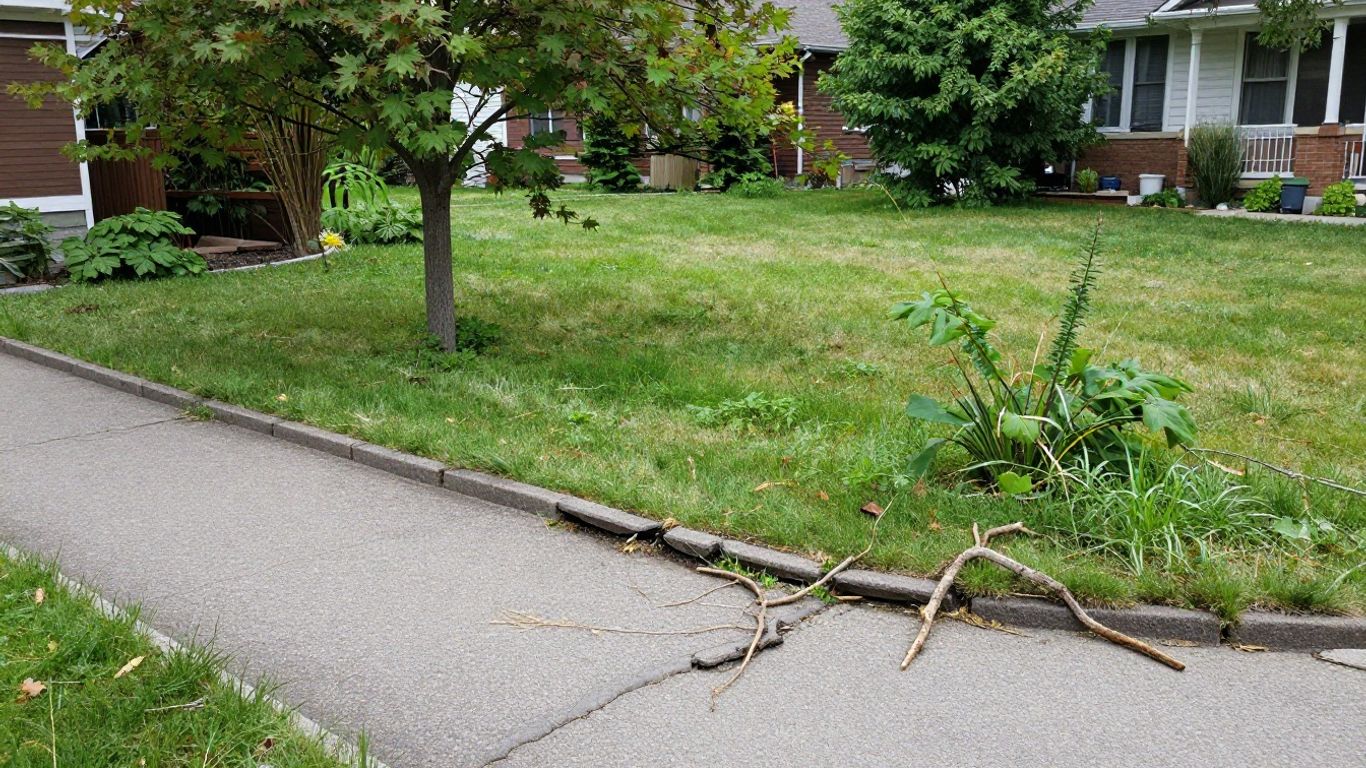
Look for changes in both hardscape and planting areas. Roots can alter the grade, compete with shrubs, and make mowing awkward even before they cause serious structural damage. A careful inspection helps you decide whether the issue is cosmetic, a maintenance problem, or a sign that the tree and surrounding features need professional attention.
Cracked Pavement, Uneven Lawns, and Struggling Plants
Cracked pavement and lifted edges are obvious warning signs, but they are not proof that roots are the only cause. Frost, poor base preparation, drainage, and soil movement can create similar symptoms, so consider the whole site before choosing a remedy. In garden beds, plants may look wilted despite regular watering because established tree roots are taking up moisture first.
You may also see exposed roots where soil has eroded, grass thinning beneath the canopy, or small shoots appearing some distance from the trunk. These signs deserve attention, but surface roots are not automatically a sign that a tree is failing. Resources from the International Society of Arboriculture can help you distinguish a normal growth response from a hazard that requires a different solution.
A simple record is useful: photograph the area, mark the direction of cracks, and note when plants began struggling. That information gives an arborist or landscape professional a clearer starting point. It also prevents you from making a rushed decision based on one visible root.
How to Stop Tree Roots From Spreading Without Harming the Tree
The safest approach is usually to manage the conditions around the roots and guide future growth away from vulnerable features. That may involve improving drainage, changing the location of irrigation, adding a suitable barrier, or redesigning a bed rather than attacking the root system. The right solution depends on how close the roots are to the tree and what they are affecting.
You should also separate nuisance growth from structural roots. Small suckers can sometimes be pruned appropriately, while large roots near the trunk may be essential to the tree’s stability. If roots are close to a foundation, retaining wall, utility, or heavily used walkway, get advice before you dig.
Why Cutting Roots Yourself Can Be Risky
Cutting a root can remove the tree’s support, open a path for decay, or trigger stress that is not immediately visible. The risk is greater when several roots are cut, when the cuts are close to the trunk, or when the tree is already leaning, damaged, or growing in poor soil. A quick fix at the surface can therefore create a larger problem underground.
Before deciding what to do, identify the tree, estimate the root size, and consider the direction of prevailing stress from wind and nearby structures. A professional can assess whether pruning, a barrier, drainage work, or a landscape adjustment is more appropriate. For broader background on controlling aggressive roots near property and utilities, horticultural extension resources offer additional detail on root growth patterns.
If you are wondering, “How do you stop tree roots from spreading?” the practical answer is rarely a single cut. It is a staged plan that protects the tree first, then reduces the conditions encouraging roots toward the damaged area. That approach may take longer, but it is much less likely to exchange a paving problem for tree decline.
Root Barriers: How They Work and When to Install One
A root barrier is a physical membrane or panel installed in the soil to redirect roots away from a particular feature. It does not make a tree stop growing, and it does not guarantee that roots will never appear elsewhere. Its purpose is to create a deeper or sideways boundary that changes the easiest route available to developing roots.
Barriers work best when planned before roots become large and densely established. You need to consider the tree’s mature size, the protected structure, soil depth, drainage, and the direction roots are likely to take. A barrier placed too shallowly, with gaps, or in the wrong location may simply send roots around it.
The installation itself can disturb roots, so timing and method matter. In some situations, a barrier around a new tree is relatively straightforward; in others, protecting an existing driveway or garden bed requires careful excavation in a limited area. Product and installation guidance from established root barrier manufacturers offers another perspective, but your local site conditions still need to guide the final design.
Choosing the Right Planting Distance for New Trees
The easiest root conflict to solve is the one you prevent before planting. When choosing a tree, look beyond the nursery’s current height and consider its mature canopy, trunk, root behaviour, and relationship to paving, buildings, fences, utilities, and garden beds. A small tree can eventually become a large tree with a much wider zone of influence.
Give the root system room to develop in healthy soil rather than forcing it into a narrow strip. Account for future repairs and maintenance too: a tree planted beside a walkway may look perfect now but become difficult to prune, mow around, or irrigate later. A little extra distance at planting can save substantial disruption.
Which Species Are More Prone to Aggressive Root Growth
Some fast-growing or moisture-seeking trees are more likely to create conflicts in a small yard, particularly where the soil is compacted or water is concentrated. Willows, poplars, and some other vigorous species are often discussed in connection with aggressive root growth, but species alone does not determine the outcome. Soil, available space, tree health, and nearby leaks can be just as influential.
Ask a qualified local professional about mature dimensions and site suitability rather than relying on a generic list of “problem trees.” The same species may perform acceptably in a spacious, well-drained setting and poorly beside a narrow foundation or small lawn. A planting decision should account for Ottawa’s seasonal conditions, winter durability, and the actual constraints of your property.
The following planning questions can help you compare a proposed planting location before you buy the tree:
- How far are the nearest paving, walls, foundations, and underground services?
- Where will water collect after rain, and where is irrigation currently directed?
- Will the mature canopy shade the lawn or compete with existing garden plants?
- Can the tree be inspected, pruned, and watered without damaging nearby features?
These questions do not replace a site assessment, but they make the decision more concrete. If the answers reveal several tight constraints, choose a different planting location or a better-suited species before the root system becomes established.
Protecting Garden Beds From Root Competition
Garden beds under or near mature trees often struggle because the tree has first access to moisture and nutrients. The tree’s canopy can also reduce rainfall reaching the soil, while dense roots make digging and planting difficult. You may be able to keep the bed productive, but it will need a design that accepts the tree’s existing conditions.
Start by choosing plants that tolerate the available light and drier soil rather than trying to recreate a sunny, richly watered bed. Use smaller plants with less need for deep digging, and avoid placing irrigation directly against the trunk. Raised edging can define the bed, but it should not trap water or require cutting major roots.
Mulch is often more helpful than adding more soil. A suitable organic layer can protect exposed fine roots, slow evaporation, and make the bed look intentional. Keep mulch away from direct contact with the trunk, and replenish it gradually instead of burying the root flare.
If you are redesigning a larger part of the yard, compare planting needs with your overall water plan. Drought-tolerant landscaping can reduce ongoing watering and maintenance demands when its plants, soil preparation, drainage, and local conditions are considered together. That does not eliminate root competition, but it can make the garden less dependent on constant irrigation.
Protecting Your Lawn From Surface Roots
Surface roots often appear where soil is compacted, poorly drained, or short of oxygen. Grass then becomes difficult to establish, and mowing over exposed roots can damage both the mower and the tree. Rather than piling a deep layer of soil over the roots, look for a way to soften the transition and reduce traffic in the affected area.
A shallow layer of compatible mulch can cushion roots and improve the appearance of the lawn edge. You can also replace the most difficult patch with shade-tolerant groundcover or a defined planting bed, provided the new design does not require aggressive excavation. Avoid changing the grade sharply around the trunk because buried root flare can create additional health problems.
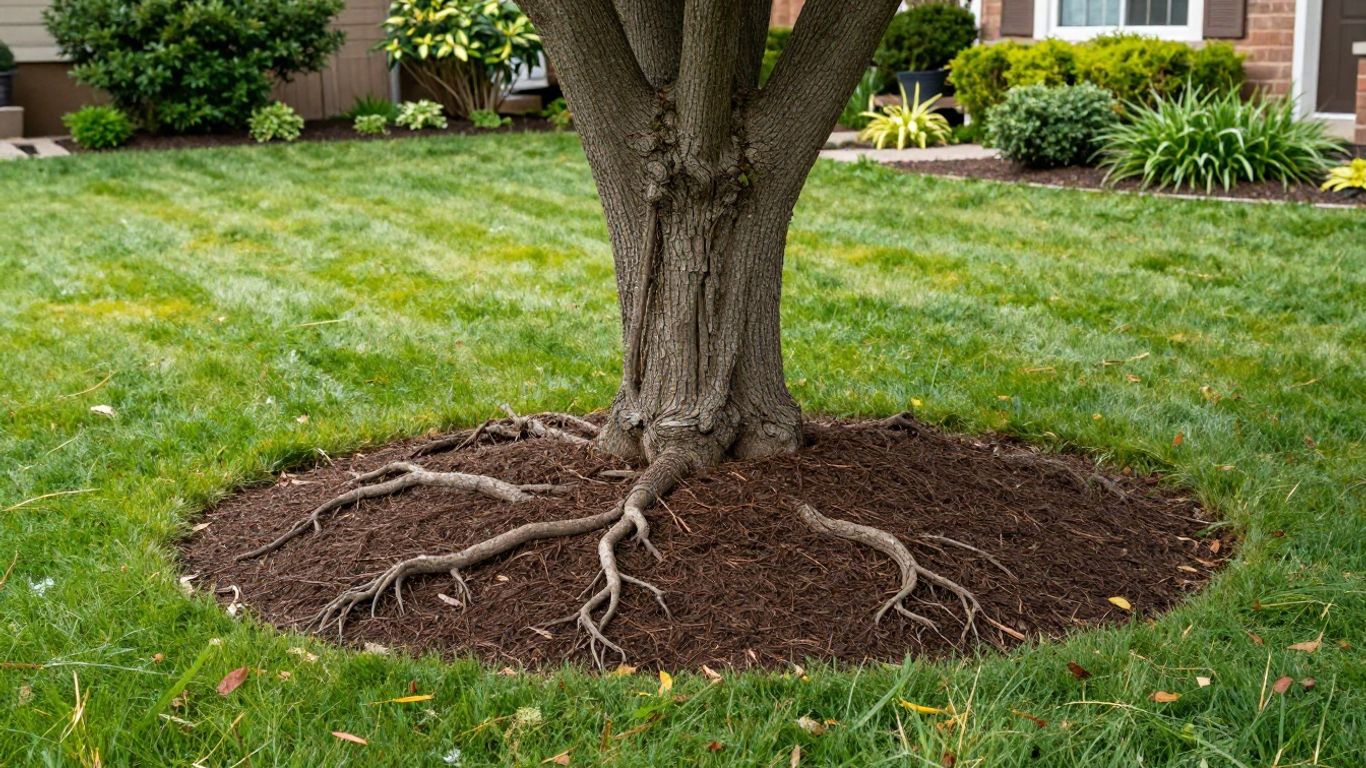
Mow high, keep blades clear of exposed roots, and do not use a string trimmer against the bark. If the lawn is thin across a broad area, the answer may be a different surface treatment rather than repeated reseeding. These adjustments protect the tree while making the yard safer and easier to maintain.
Watering and Soil Strategies That Reduce Root Spread Toward Water Sources
Roots are drawn toward usable moisture, so watering patterns can influence where new growth develops. Frequent, shallow watering in one garden bed may encourage a dense concentration of roots there, while a thoughtful watering schedule can support plants without keeping one narrow zone constantly wet. You should also repair leaking taps, irrigation lines, and drainage outlets promptly.
Before changing irrigation, check the soil. Compaction can prevent water and oxygen from moving properly, leaving roots to exploit the few areas that remain favourable. Improving soil carefully around planting areas, correcting drainage, and applying mulch can create a more even environment without disturbing major roots.
Water deeply enough for the plants to establish, then allow the surface to dry as appropriate for the season and soil type. Do not redirect large volumes of water toward the trunk or foundation. Small changes in where and how often you water can reduce the incentive for roots to concentrate beside a walkway or under a garden bed.
A simple site review can compare each feature’s water needs:
| Site feature | Common concern | Practical response |
|---|---|---|
| Tree canopy | Rainfall is intercepted | Water nearby plants thoughtfully and mulch exposed soil |
| Garden bed | Frequent irrigation attracts roots | Group plants by water needs and check for leaks |
| Lawn edge | Compaction limits oxygen | Improve soil gradually and reduce heavy traffic |
| Driveway or walkway | Drainage may collect beside paving | Correct runoff without excavating major roots |
The table is a starting point, not a prescription. Soil texture, weather, plant selection, and the tree’s condition should determine the final watering plan. When a drainage change could affect a foundation or retaining wall, have the grading reviewed before proceeding.
A Real Case From Our Files: Roots Damaging a Driveway and Garden Bed
Consider a common Ottawa property pattern: an established tree stood beside a driveway, with a narrow garden bed between the trunk and the house. Over time, the driveway developed a raised edge, while plants in the bed became thin and unreliable despite regular watering. The visible symptoms appeared separate, but they were connected by limited space, compacted soil, and competing root growth.
The first useful step was not to remove the tree or cut every exposed root. The site needed to be observed as a whole, including surface levels, drainage, the condition of the paving base, and the health of the garden plants. That distinction matters because repairing the driveway alone would not resolve the conditions that were making the garden bed difficult to maintain.
A practical response could combine a safer planting-bed layout, improved water distribution, mulch, and carefully planned hardscape work. Where construction is required, landscape construction services in Ottawa can include grading, drainage, patios, walkways, retaining walls, garden beds, and sod. The exact work still depends on the property and should be set out in a site-specific quote.
The broader lesson is that root damage is often a landscape-planning problem as much as a tree problem. If you address drainage, soil, access, planting, and paving together, you have a better chance of achieving a durable result. A single aggressive intervention may look faster, but it can leave the underlying conflict in place.
Common Mistakes Homeowners Make When Dealing With Invasive Roots
When roots appear in a lawn or garden, it is understandable to want them gone immediately. That urgency often leads to cuts, deep digging, or layers of fill that create new risks. A measured response gives you time to identify the cause and choose a remedy that fits the tree and the surrounding features.
One frequent mistake is assuming that all visible roots are dangerous. Another is watering more heavily without checking for leaks or compaction, which can draw still more roots toward the affected spot. You can avoid many problems by treating the symptoms as clues rather than instructions.
It is also easy to focus only on the tree and ignore the hardscape base, drainage, and plant selection. Before you decide how to keep tree roots from spreading, check whether the feature was already poorly drained or inadequately supported. A landscape professional can help separate root-related movement from ordinary paving failure.
When Root Damage Means It’s Time to Call a Professional
Professional advice is sensible when roots are close to a foundation, utility, retaining wall, or large paved area. It is also warranted when a tree is leaning, has significant decay, shows canopy decline, or would need major roots removed. These conditions involve more than routine gardening and can affect safety, stability, and long-term property costs.
You should seek help if cracks are expanding quickly, soil is heaving, water lines may be leaking, or the same problem keeps returning after surface repairs. Bring photographs, approximate dates, and any information about past construction or irrigation. A clear history helps the assessment move beyond guesswork.
A professional plan may recommend monitoring rather than immediate work. That can be the right answer when damage is minor and the tree is healthy, especially if a small landscape adjustment will reduce future conflict. The goal is not to produce the most dramatic intervention; it is to manage risk while preserving useful trees where practical.
Root Management vs. Tree Removal: Which Makes Sense?
Tree removal is sometimes justified, but it should not be the automatic answer to a few exposed roots or a damaged lawn edge. If the tree is healthy and the conflict can be redirected, root management may preserve shade, habitat, privacy, and the character of your yard. The decision should consider both the current damage and the tree’s likely future growth.
Tree removal becomes more reasonable when the tree is unsafe, seriously declining, badly located, or causing damage that cannot be managed without unacceptable risk. Even then, removing the tree may not immediately solve every issue. Remaining roots can continue to affect soil as they decay, and the site may still need drainage, paving, grading, or replanting work.
Compare the options in terms of safety, cost, disruption, and maintenance. Ask what happens five or ten years from now, not only what makes the current surface look better. A balanced assessment lets you choose between monitoring, redesign, barrier installation, selective root work, or removal with a clearer understanding of the trade-offs.
Get a Root Management Plan From KJ Landscape & Design
If roots are affecting your lawn, garden bed, walkway, or driveway, start with a property-wide review rather than an isolated cut. KJ Landscape & Design can be part of a broader landscape construction conversation involving grading, drainage, patios, walkways, retaining walls, garden beds, and sod. The right scope depends on what an assessment finds at your property.
Call KJ Landscape & Design at (613) 229-0213, or request a root assessment. Bring the practical details that will help shape the discussion: where the roots are visible, when the damage began, how water moves across the site, and which features you need to protect. You can also review examples of root-related and hardscape projects to understand the types of outdoor work presented by the company. A visual reference can make it easier to explain the result you want, even when the root problem itself is below ground.
The aim is a plan that respects the tree while making the yard safer, more usable, and easier to care for. That may mean a redesigned bed, adjusted drainage, a different lawn treatment, or coordinated hardscape work rather than removal. With the right sequence, you can address the immediate damage and reduce the chance of the same conflict returning.
Conclusion
Healthy trees and functional yards can coexist when you plan for root growth instead of reacting to it after damage appears. Observe the warning signs, improve soil and watering conditions, protect vulnerable features with suitable design, and get professional advice before cutting major roots or removing an established tree.
Frequently Asked Questions
How far can tree roots spread?
Roots can extend well beyond the tree trunk and may reach beyond the canopy, although the distance varies with species, soil, moisture, oxygen, and available space. A site assessment is more useful than relying on a single general measurement.
How do you stop tree roots from spreading into a lawn?
You can reduce conflict by improving soil conditions, managing irrigation, mulching exposed roots, changing the lawn treatment, and using a properly planned root barrier where appropriate. Avoid cutting major roots without professional advice.
Can you cut tree roots that are lifting pavement?
Sometimes selective root work is possible, but cutting a large or structural root can destabilize or seriously stress the tree. The root, tree condition, paving construction, and safety risks should be assessed together first.
Do root barriers stop roots permanently?
No. A barrier redirects roots away from a protected feature; it does not stop the tree from growing. Its design, depth, placement, and relationship to drainage and mature tree size all affect how well it works.
Should you bury exposed tree roots with soil?
Adding a deep layer of soil can reduce oxygen around the roots and cover the trunk flare, which may create further problems. A shallow, suitable mulch layer or a redesigned planting area is often safer, but the site should guide the choice.
Why are plants under trees difficult to grow?
They may receive less rain and light while competing with established roots for water and nutrients. Choosing plants suited to the shade and soil, grouping them by water needs, and using mulch can make the bed more successful.
When should you call an arborist or landscape professional?
Call when roots are near a foundation, utility, retaining wall, or major hardscape, or when the tree is leaning, declining, or likely to need significant roots removed. Rapidly worsening cracks and repeated drainage problems also deserve prompt attention.