
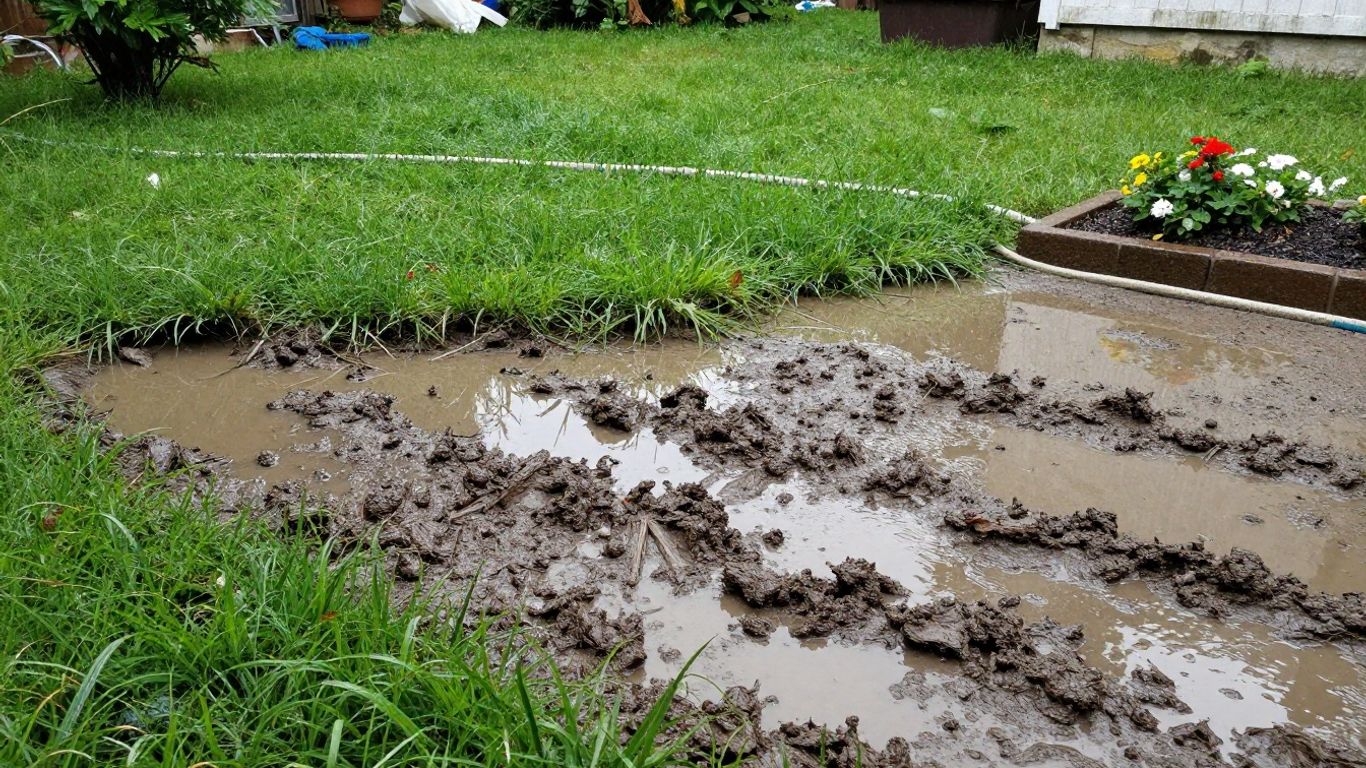
Poor drainage in your backyard can turn a simple rainstorm into a frustrating mess, and if left untreated, it can cause serious damage to your lawn, foundation, and property value. You might think it’s just a minor annoyance, but poor drainage in backyard can actually lead to some pretty big problems down the road. We’re talking about damage to your home’s foundation, a ruined lawn, and even attracting unwanted pests. The good news? Most of these issues can be fixed. Let’s break down why this happens and what you can do about it.
What Causes Poor Drainage in a Backyard?
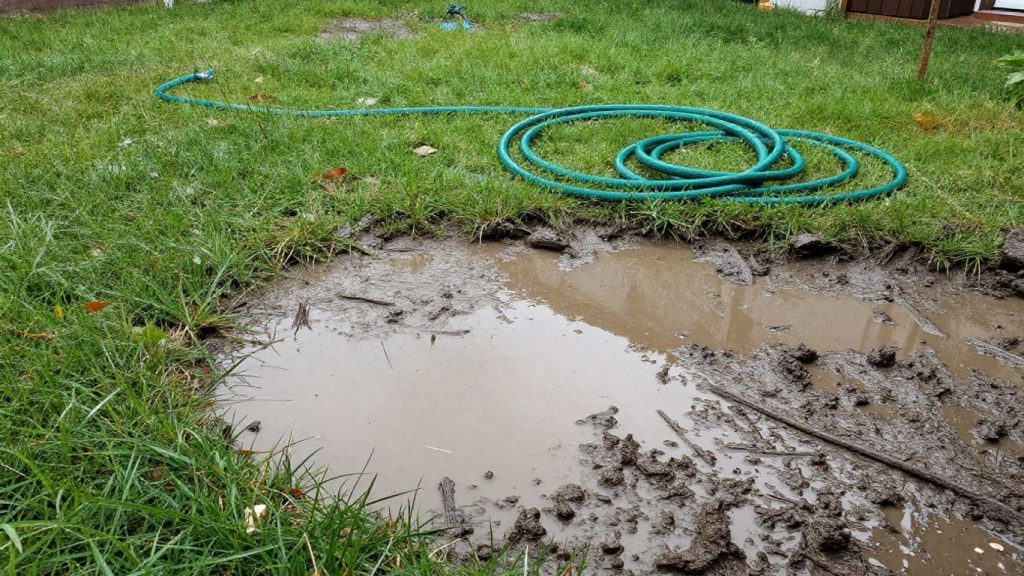
There are several common culprits behind backyard drainage issues, and understanding them is the first step toward finding the right fix. You’re not alone. Lots of us deal with water pooling in the yard, and it’s usually not just bad luck. There are several common culprits behind backyard drainage issues, and understanding them is the first step toward figuring out how to fix poor drainage in your backyard.
Compacted or Clay-Heavy Soil
Think of your soil like a sponge. If it’s too dense or packed tight, water just can’t soak in. Compacted soil is a major reason why water pools in the yard. This often happens from heavy foot traffic, kids playing, or even just the weight of snow over winter. Clay-rich soil is naturally less porous, making it even harder for water to drain away. If your soil test shows a lot of clay or compaction, this is likely a big part of your problem. You can sometimes improve this with aeration and adding organic matter, but severe compaction might need more involved solutions.
Improper Yard Grading or Negative Slope
Your yard’s slope, or grading, is super important. Ideally, the ground should gently slope away from your house. If it slopes towards your home, or if it’s just flat and doesn’t direct water anywhere, you’re asking for trouble. Water will naturally flow downhill, and if downhill is towards your foundation, that’s where it’ll go. This can lead to serious problems like basement flooding and foundation damage over time. It’s a common issue, especially in older neighborhoods where grading wasn’t a top priority.
Blocked or Missing Gutters, Downspouts, and Surface Drains
Sometimes, the problem isn’t with the ground itself, but with how water is being managed above it. Gutters and downspouts are designed to catch rainwater from your roof and send it far away from your house. If they’re clogged with leaves and debris, or if a downspout is broken or dumping water right next to your foundation, that water has nowhere to go but into your yard or basement. Similarly, surface drains in your yard can get blocked by leaves, dirt, or grass clippings, preventing them from doing their job.
Excess Thatch and Root Buildup
For those with lawns, a thick layer of thatch (dead grass and organic matter) or dense root systems can act like a waterproof blanket. While a little thatch is normal, too much prevents water from reaching the soil beneath. It creates a spongy surface that holds water, leading to soggy conditions and contributing to water pooling in the yard. Aerating your lawn and investing in proper softscaping can help break up this layer and allow water to penetrate more effectively.
Hardscaping Installed Without Proper Drainage Planning
Things like patios, walkways, and driveways can also cause drainage headaches if not installed correctly. If these surfaces aren’t sloped properly or if there are no drainage systems (like French drains or proper grading) built around them, they can create dams or channels that redirect water where you don’t want it. Water can get trapped against your house or flow onto areas that are already struggling to drain. It’s easy to forget about drainage when you’re focused on the look of your new patio, but it’s a critical part of the installation process.
How to Fix Poor Drainage in Your Backyard: Permanent Solutions
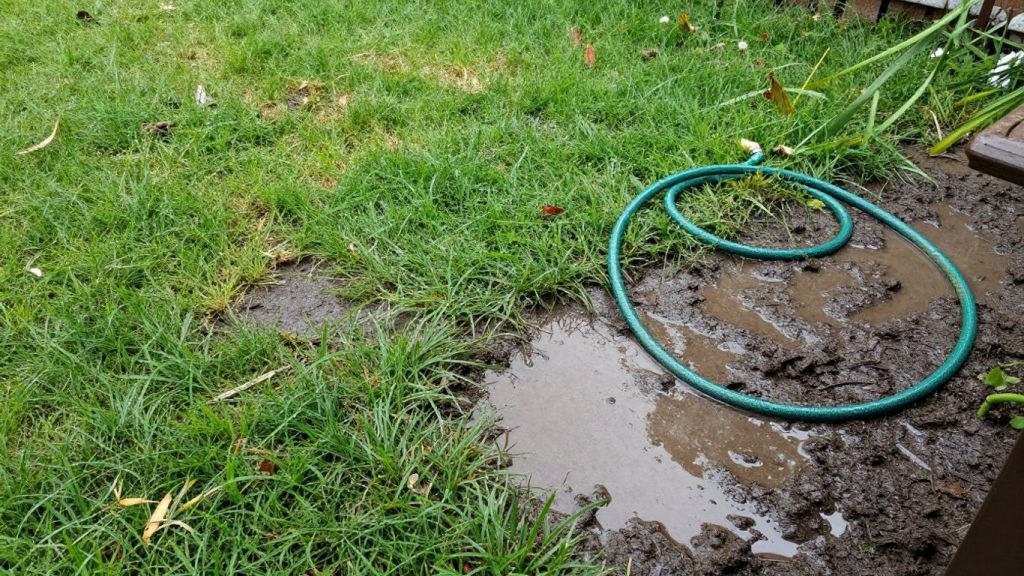
So, you’ve got a backyard that’s more swamp than sanctuary after a good rain. It’s frustrating, I get it. But the good news is, there are ways to permanently fix these soggy situations. We’re talking about remedies for waterlogged garden spots that actually work long-term, not just a quick patch-up job.
Regrading the Yard to Redirect Water Away from the Home
Sometimes, the simplest solution is to change the landscape itself. Regrading means adjusting the slope of your yard so that water naturally flows away from your house’s foundation and other structures. This is often the most effective first step because it addresses the root cause of water pooling near your home. It’s not just about making it look nice; it’s about directing water to where it should go, like a lower part of the yard or a designated drainage area.
Here’s a general idea of how it works:
- Assess the Current Slope: Look at how water currently moves across your yard. Are there low spots? Does it all head towards your house?
- Plan the New Slope: Aim for a gentle slope, usually about 1/4 inch per foot, extending at least 10 feet away from your foundation. This ensures water doesn’t run off too quickly but still moves effectively.
- Excavate and Fill: You might need to remove some soil in areas that are too high and add soil to low spots. This is where you build up the new contours of your yard.
- Compact and Restore: Once the grading is done, the soil needs to be compacted to prevent settling. Then, you can reseed or opt for sod installation to restore your lawn quickly and cleanly.
Installing a French Drain or Weeping Tile System
If regrading isn’t enough, or if you have persistent soggy areas, subsurface drainage systems are the way to go. These systems are designed to collect excess water underground and move it away.
A French drain is a trench filled with gravel and a perforated pipe. It works by intercepting groundwater and surface water, channeling it through the pipe and away from the problem area. It’s a fantastic way to deal with chronic standing water and is one of the best remedies for waterlogged garden sections.
Here’s a simplified look at installing one:
- Dig the Trench: Excavate a trench that slopes away from the wet area. The depth and width depend on the amount of water you need to manage, but typically 12-24 inches deep and 6-12 inches wide is a good start.
- Add Landscape Fabric: Line the trench with fabric to keep soil and debris from clogging the pipe.
- Fill with Gravel: Add a layer of clean gravel.
- Install Perforated Pipe: Lay the pipe (holes facing down) on top of the gravel.
- More Gravel: Cover the pipe with more gravel.
- Backfill and Finish: Fold the fabric over the gravel and backfill with soil. You can then reseed or sod the area.
This is a more involved project, but it’s a permanent fix for serious drainage issues. A professional landscaping team can handle the installation properly, ensuring the system is built correctly and delivers long-term results..
Building Retaining Walls to Control Slope and Runoff
In yards with significant slopes, retaining walls can be a game-changer. They don’t just hold back soil; they can be strategically used to manage water flow. By creating level terraces or directing runoff, retaining walls can prevent water from rushing downhill and causing erosion or pooling near your home. They help break up large slopes into smaller, more manageable sections, controlling how water moves across your property. This is especially useful if you’re trying to improve soil drainage on a hillside.
Why Poor Backyard Drainage Is a Problem You Can’t Ignore
Poor drainage in backyard is easy to dismiss at first, but ignoring soggy spots is like ignoring a leaky faucet. Waterlogged soil suffocates grass roots, leading to dead patches and inviting diseases and fungi. It also creates a breeding ground for mosquitoes and other pests. Beyond the lawn itself, persistent moisture near your foundation can lead to cracks, basement leaks, and structural damage. It’s a domino effect that starts with water that isn’t going where it should.
Permanent Solutions: Fixing Your Backyard Drainage Problems
Okay, so you’ve got that persistent soggy spot in your yard, or maybe water just seems to love pooling up after a good rain. It’s frustrating, right? But don’t worry, there are some solid ways to tackle these yard standing water issues for good. It’s not just about making your yard look nicer; it’s about protecting your home and making your outdoor space usable again.
One of the most effective yard flooding solutions involves digging in literally. Installing a French drain system is a game-changer for many homeowners. Think of it as a hidden underground highway for water. You dig a trench, lay down a perforated pipe surrounded by gravel, and then cover it all up. This setup quietly collects excess water from the soil and redirects it away from your house and problem areas. It’s a bit of work, but the results are usually fantastic. You can find more details on how these work here.
Here’s a general idea of how a French drain is put together:
- Excavate a trench: Dig a sloped trench, usually about 6-12 inches wide and 12-24 inches deep. The slope is key; it needs to guide water away, typically at least a 1% grade.
- Line with fabric: Use landscape fabric to line the trench. This stops soil and roots from clogging up the pipe later on.
- Add gravel and pipe: Place a layer of gravel, then the perforated pipe (make sure the holes are facing down).
- More gravel and fabric: Cover the pipe with more gravel, then fold the landscape fabric over the top.
- Backfill and restore: Fill the rest of the trench with soil, and then reseed or sod to make it look like it was never there.
Improving your downspout drainage by extending them or burying pipes can make a huge difference. This means adjusting the land’s slope so that water naturally flows away from your foundation and towards a better drainage point, like a lower part of the yard or a storm drain. It sounds simple, but it can involve moving a good amount of soil to get the slope just right. For really challenging slopes, improving topsoil quality can also help water absorb properly rather than pooling on the surface, and building retaining walls can prevent erosion from worsening the issue, helping to manage water flow and prevent erosion. These are definitely some of the more permanent yard flooding solutions available.
How KJ Landscape & Design Fixes Drainage Problems in Ottawa
Dealing with a soggy yard can be a real headache, and honestly, sometimes you just need the pros to sort it out. Here in Ottawa, when water starts pooling where it shouldn’t, KJ Landscape & Design has a pretty solid game plan for tackling it permanently. They don’t just throw a quick fix at the problem; they really dig into what’s going on.
First off, they’re big on understanding your specific yard. Every property is different, right? So, they’ll come out and check out the lay of the land, the soil type, and exactly where the water seems to be heading (or not heading, as the case may be). This initial look is super important because it helps them figure out the best approach. It’s not a one-size-fits-all situation.
Their team often uses a few key methods to get things sorted:
- Regrading: Sometimes, the simplest solution is to gently reshape the ground so water naturally flows away from your house and other structures. It sounds basic, but getting the slope just right makes a huge difference.
- French Drains: For more persistent issues, they might install a French drain system. This involves digging a trench, laying down a perforated pipe surrounded by gravel, and directing the water to a suitable exit point. It’s a really effective way to pull water out of saturated areas underground.
- Surface Drainage Systems: If water is pooling on patios or walkways, they can install channel drains or other surface solutions to catch that water before it becomes a problem.
They also pay close attention to the details, like making sure any new installations comply with local regulations. It’s good to know that projects like installing retaining walls might need a building permit in many areas, and KJ Landscape & Design is aware of these requirements
Clients often mention how meticulous and dedicated the KJ Landscape & Design team is, praising their ability to transform yards and handle landscaping needs with great attention to detail [76a2]. They aim to leave your property looking great, with the only evidence of their work being a yard that finally drains properly.
Dealing with water pooling in your yard? KJ Landscape & Design has been helping Ottawa homeowners fix drainage problems permanently, from French drains to regrading and retaining walls. Don’t wait for the next rainstorm to cause more damage. Request a free drainage assessment today or call us directly at (613) 229-0213. We serve Ottawa, Barrhaven, Kanata, Stittsville, Manotick, and surrounding areas
Don’t Let Water Win: Take Action Now
So, we’ve talked about why water likes to hang out in your yard when it shouldn’t, and what those soggy spots and muddy messes are trying to tell you. And if you’ve recently had tree work done, it’s worth reading about what happens to your yard after stump removal. Compacted soil from stump grinding can also worsen drainage, from foundation cracks to mold. But the good news is, you don’t have to live with a swampy yard. Whether you’re dealing with mild poor drainage in your backyard or a serious flooding issue, taking action protects your home, improves your outdoor space, and gives you peace of mind after every rain. Taking steps to improve your yard’s drainage is a smart move. It protects your home, makes your yard more enjoyable, and honestly, just gives you peace of mind after a good rain. Don’t wait for the next downpour to become a disaster get ahead of it and keep your home safe and dry.
Frequently Asked Questions
What are the most common signs of poor drainage in my backyard?
Some common warning signs include puddles that last for more than a day after rain, soggy or spongy spots in your lawn, muddy patches, water stains on your home’s foundation, and areas where the topsoil washes away. You might also see mold or mildew near your basement or notice that your grass and plants are struggling to grow.
Why does water pool near my house after it rains?
Water often collects near your house if your yard slopes toward the foundation instead of away from it. Clogged or missing gutters and downspouts can also cause water to spill over and pool next to your home, which can lead to bigger problems like basement leaks or foundation cracks.
Can poor drainage really damage my home?
Yes, poor drainage can cause serious damage. When water sits near your foundation, it can seep into cracks, weaken the concrete, and even cause mold to grow inside your house. Over time, this can lead to costly repairs and lower your home’s value.
What is a French drain and how does it help?
A French drain is a trench filled with gravel and a pipe that helps move water away from problem areas in your yard. It collects water below the surface and redirects it to a safe spot, like a rain garden or storm drain, keeping your lawn dry and your foundation safe.
How can I prevent drainage problems in the future?
Keep gutters and downspouts clean, make sure water flows away from your house, and avoid letting plants or roots block water paths. Regularly check your yard for new puddles or soft spots, and fix small problems before they get worse.
Do I need a professional to fix my backyard drainage?
While some small issues can be fixed with simple DIY steps, bigger problems like regrading your yard or installing a French drain are best handled by professionals. They have the tools and experience to make sure the problem is solved for good, and your home stays protected.