
By KJ Landscape & Design Team | Reviewed by KJ Landscape & Design’s Certified Landscaping & Tree Removal Specialists | Updated September 2026
Key Takeaways
Drought-tolerant landscaping can reduce ongoing water and maintenance demands, but the best choice depends on your yard, budget, and how you use the space.
- Traditional lawns usually cost more over time in watering, mowing, feeding, and repair.
- A drought-tolerant yard still needs thoughtful design, soil preparation, and establishment care.
- You can replace a lawn gradually instead of redesigning the entire property at once.
- Ottawa’s climate makes drainage, winter durability, and plant selection especially important.
- The most useful comparison is your property’s five- and ten-year cost, not only the installation price.
What Is Drought-Tolerant Landscaping?
Drought-tolerant landscaping is the design of an outdoor space around plants and materials that can remain healthy with less supplemental water once established. It does not mean creating a dry, bare yard, and it does not require removing every patch of grass. You are choosing a more deliberate mix of planting, hardscape, soil preparation, and watering practices.
The goal is to match the landscape to the site. Sun exposure, soil, drainage, slope, wind, and how often you use the yard all affect what will thrive. Turf may still make sense for children, pets, or entertaining, while lower-water planting can work well around the edges, along walkways, or in front-yard beds.
A good design also considers the transition period. New plants often need regular watering while their roots establish, so savings do not appear on day one. Over time, however, a well-planned landscape can reduce the amount of lawn, fertilizer, mowing, and irrigation your property requires.
Why Ottawa Homeowners Are Asking This Question Now
You may be asking this question because the lawn feels expensive even when each bill seems manageable. Watering, mowing, spring cleanup, fertilizer, weed control, and patching can add up quietly across an entire season. Ottawa’s hot summer stretches can make that routine feel even more demanding.
The local climate also asks more of a landscape than a simple plant list suggests. Freeze-thaw cycles, snow storage, spring runoff, compacted soil, and drainage patterns all influence whether a yard performs well. A water-wise design still needs to be planned for Canadian winters rather than copied from a warmer region.
You can start with a site assessment instead of guessing. Resources from the Royal Horticultural Society recommend considering irrigation, soil, sun conditions, and climate-appropriate plants before re-landscaping. That same habit helps you compare costs realistically, because the cheapest plant or material is not necessarily the cheapest choice after replacement and maintenance are included.
The Real Cost of a Traditional Lawn: Water, Fertilizer, and Time
A traditional lawn is not automatically a poor choice. It gives you a familiar, flexible surface, and a healthy lawn can be attractive and useful. The cost question appears when you count every recurring input rather than looking only at the original sod or seed installation.
Water is often the most visible expense, but it is only one part of the equation. You may also pay for fertilizer, overseeding, weed treatment, mower fuel or electricity, equipment repairs, edging, aeration, and occasional sod replacement. Your own time has value too, particularly if maintenance is competing with weekends, family activities, or other work.
The comparison becomes clearer when you separate fixed and recurring costs. A drought-tolerant landscape may require more design and installation work at the beginning, while a lawn tends to spread its costs across many seasons. That difference is why a five- or ten-year view is more helpful than a single quote.
Ongoing Maintenance Costs Most Homeowners Underestimate
The less obvious lawn costs usually come from repetition. You mow whether the grass had an easy week or a stressful one, and you may water, feed, seed, or repair it when weather conditions change. Recurring work shapes the real budget more than the initial appearance of the yard does.
A simple seasonal review can help you see the pattern:
- Count watering equipment, irrigation adjustments, and extra summer water use.
- Record fertilizer, seed, soil amendments, weed control, and lawn repair.
- Estimate mowing, trimming, edging, and cleanup time across the season.
- Add equipment ownership, fuel, charging, sharpening, and occasional repairs.
These figures will not be identical for every Ottawa property. They are useful because they turn a vague feeling of maintenance fatigue into a comparison you can discuss with a designer before choosing a direction.
The Upfront and Long-Term Cost of Drought-Tolerant Landscape Design
The initial price of drought-tolerant landscaping can include design, removal, grading, soil improvement, plants, mulch, stone, edging, pathways, drainage work, and installation labour. If irrigation needs to be adjusted, that may add another line to the project. A smaller planting conversion will cost less than a complete front- and backyard redesign, so broad online estimates rarely tell the whole story.
You should also ask what the proposed design is intended to accomplish. Replacing a lawn with a random collection of low-water plants may not improve drainage, access, curb appeal, or long-term maintenance. A coherent plan can cost more at the outset but prevent later corrections, plant losses, and awkward additions.
The long-term savings come from reduced inputs, not from a promise that the landscape will require no care. Plants need pruning, weeding, dividing, seasonal cleanup, and watering during establishment or extreme weather. The practical question is whether those tasks are simpler and less frequent than maintaining the original lawn.
Installation Cost vs. Lifetime Savings
A fair comparison starts by listing the work each option requires over the same period. For a lawn, that may include seasonal maintenance and periodic renovation. For a drought-tolerant landscape, it may include heavier installation costs, mulch renewal, pruning, and occasional replacement of plants that do not suit the site.
You can make the decision more precise by comparing three scenarios: keep the lawn as it is, improve part of the lawn, or convert the most demanding areas first. That approach protects your budget while showing where water and labour are actually being used. A staged project can also let you test how a new planting area fits your habits before expanding it.
For practical inspiration, softscape design for Ottawa properties can include smaller turf areas, gravel paths, native or adapted plants, and reused materials where appropriate. Those ideas still need to be adapted to Ottawa’s conditions, soil, and winter exposure. Cost savings are strongest when the design is simple to maintain rather than merely inexpensive to install.
Drought Tolerant Landscape: What It Actually Looks Like in a Yard
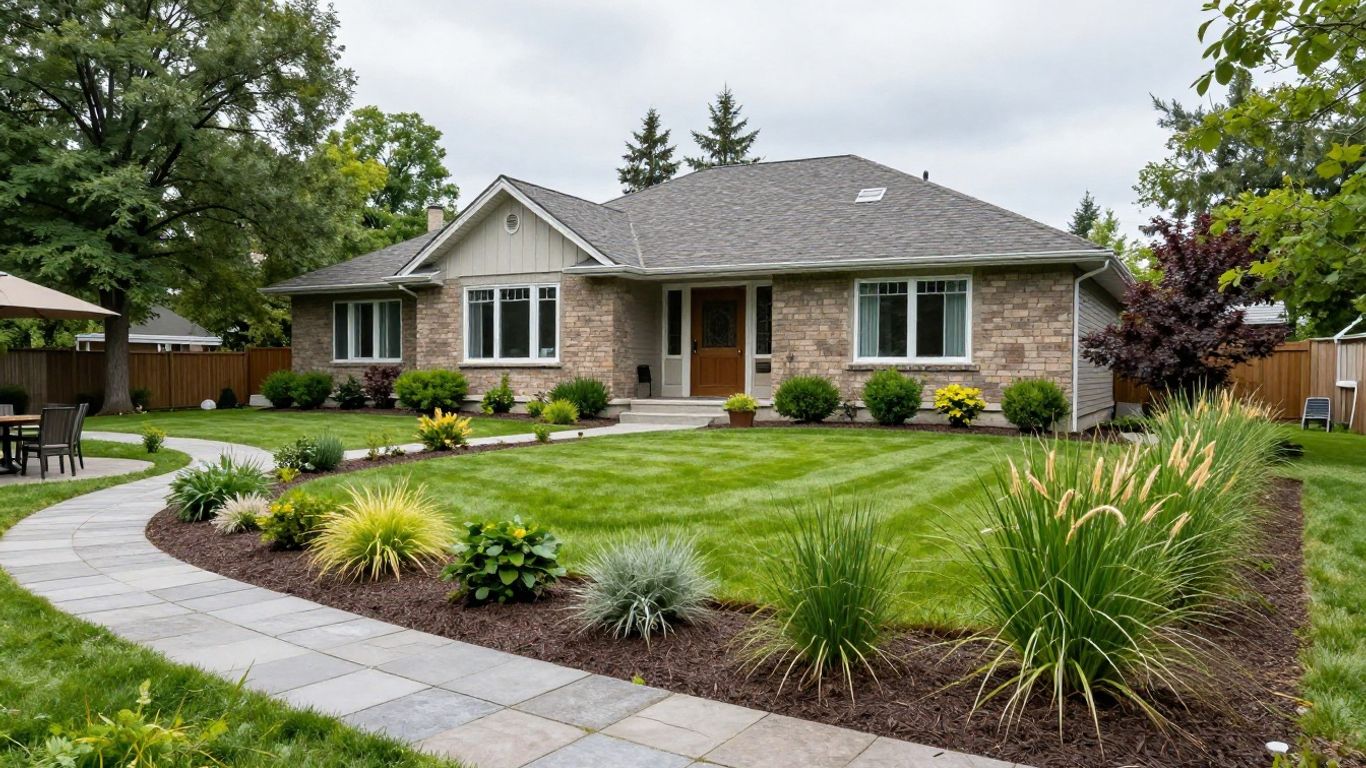
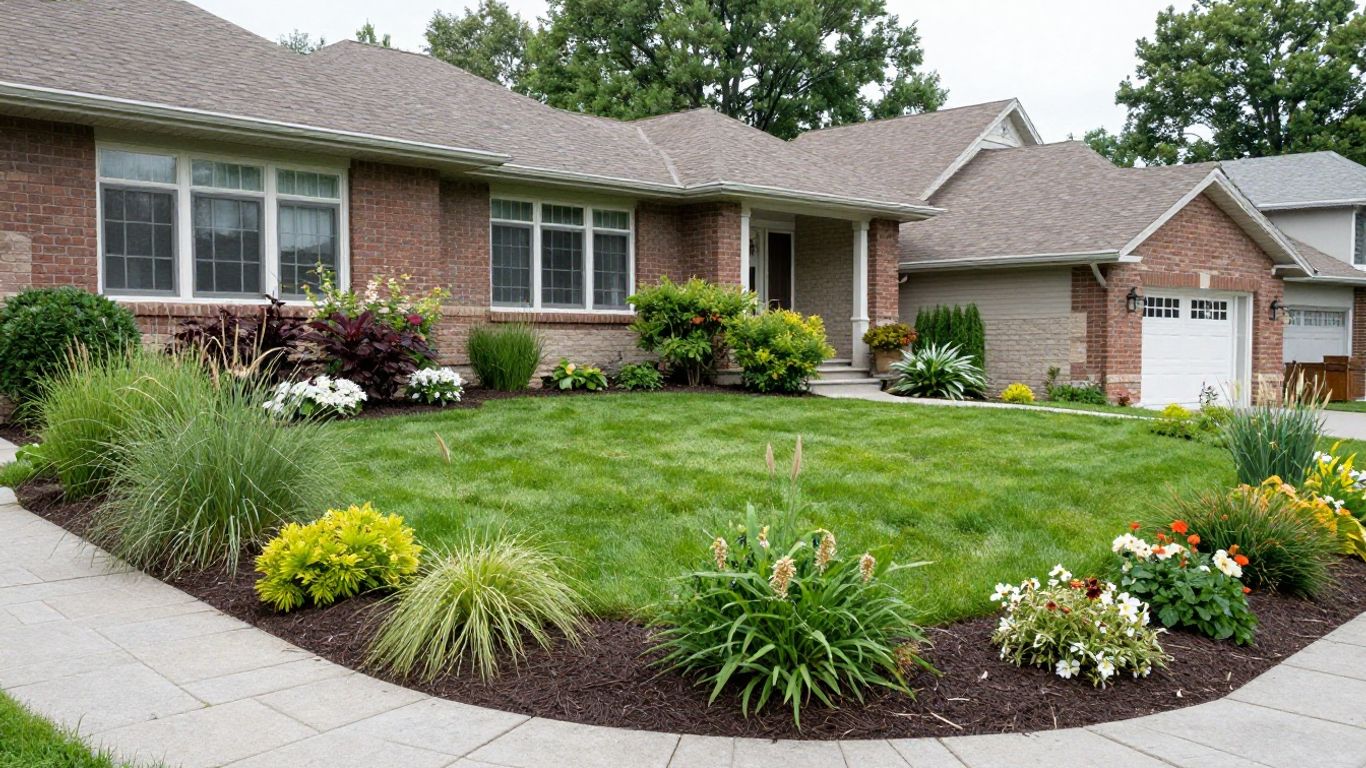
A drought tolerant landscape can look structured, lush, colourful, and distinctly residential. You might see a smaller, purposeful lawn framed by planting beds, a stone or gravel path, ornamental grasses, shrubs, perennial flowers, and mulch that keeps the soil covered. The visual character comes from repetition, height, texture, and seasonal change rather than from a single uninterrupted carpet of grass.
The design should make movement and maintenance easy. Paths can connect the driveway, entrance, patio, and storage areas, while planting zones can be grouped according to sun and moisture. That organization reduces the temptation to water everything the same way when different parts of the yard have different needs.
Materials matter as much as plant selection. Durable edging, properly prepared soil, suitable mulch, and well-drained surfaces help the landscape handle rain, drought, foot traffic, and winter. The best result is not a desert imitation; it is a yard that suits your property and asks for less intervention.
Plants, Groundcovers, and Materials Commonly Used
Plant choices should follow the conditions in your yard rather than a generic “drought-resistant” list. Sun-loving perennials may struggle in a shaded bed, and a plant that tolerates dry soil may fail where water collects after heavy rain. Local growing conditions, mature size, winter exposure, and maintenance expectations all belong in the decision.
Common elements can include native or well-adapted perennials, shrubs, ornamental grasses, groundcovers, mulch, stone, and limited turf in areas where you genuinely need a usable surface. General horticultural guidance also points to deep, infrequent watering after establishment, though specific watering should reflect Ottawa weather and the needs of each plant.
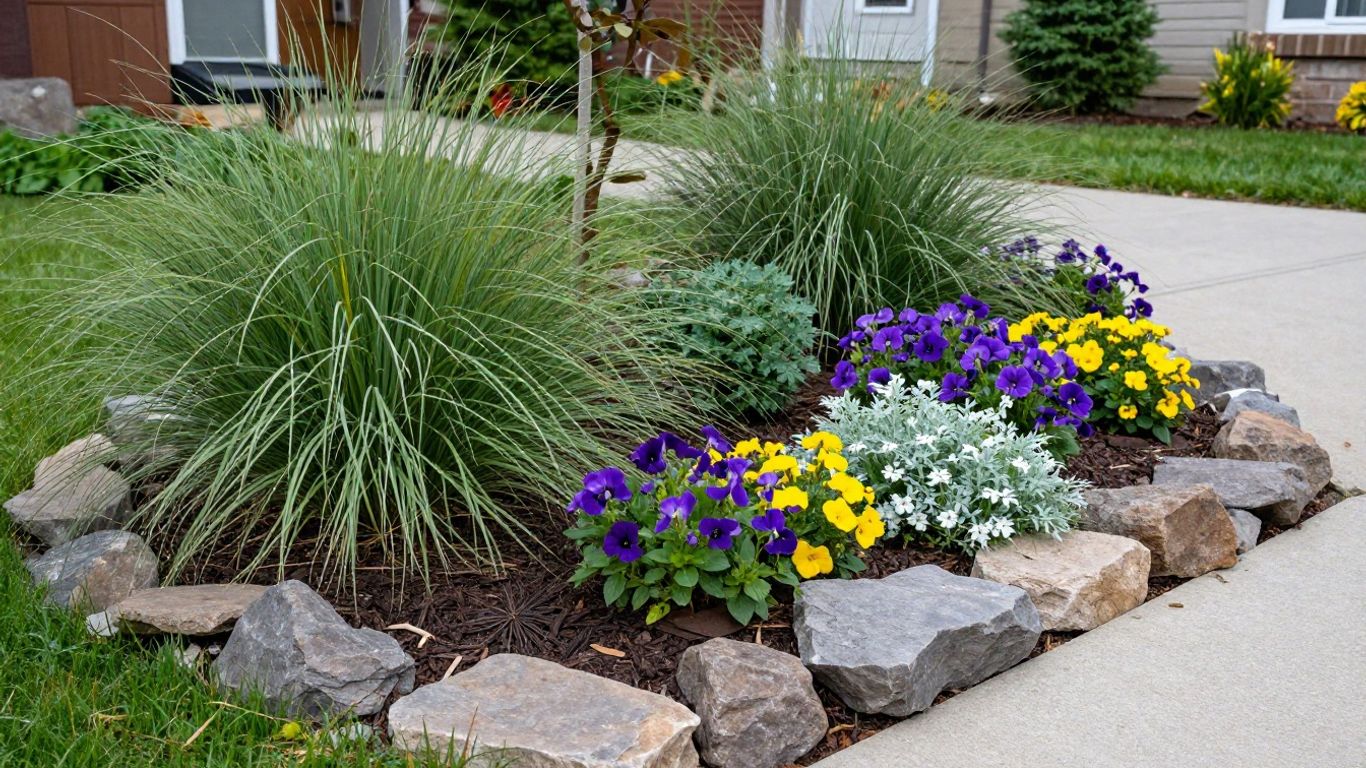
The finished yard should still have a clear purpose. Groundcovers can soften edges, shrubs can provide structure, and paths can reduce wear on planting beds. When each material has a reason to be there, the property tends to look intentional rather than like a collection of cost-cutting substitutions.
Side-by-Side Cost Comparison Over 5 and 10 Years
There is no honest universal dollar figure for either option because yard size, water rates, labour, equipment, plant choices, and maintenance habits vary. You can still compare the categories that drive cost. Start with the installation price, then estimate the recurring work and likely renewal needs for your own property.
A simple framework might look like this:
| Cost category | Traditional lawn | Drought-tolerant landscape |
|---|---|---|
| Initial installation | Sod or seed, grading, and soil preparation | Design, removal, soil work, plants, mulch, and hardscape |
| Water use | Often higher during hot, dry periods | Usually lower after establishment, depending on design |
| Routine labour | Frequent mowing, edging, feeding, and repair | Weeding, pruning, cleanup, and selective watering |
| Renewal needs | Overseeding, aeration, patching, or turf replacement | Mulch renewal, plant replacement, and occasional adjustments |
| Ten-year uncertainty | Weather, lawn health, and equipment costs | Establishment success, plant suitability, and design changes |
The table is a planning tool, not a guarantee. If your lawn is small and lightly maintained, conversion may take longer to pay back financially. If the lawn is large, heavily watered, and professionally serviced, reducing turf may produce meaningful savings sooner.
Water Restrictions and Municipal Considerations in Ottawa
Water restrictions can affect when and how you water, but they do not eliminate the need for a landscape plan. You should check current municipal rules before scheduling watering, installing irrigation, or assuming that a particular routine will be allowed. Rules and conditions can change with weather and local demand.
A water-wise yard gives you more flexibility, but new plants still need care while they establish. Efficient irrigation, mulch, healthy soil, and grouping plants by water needs can help you avoid watering an entire property just because one small area is dry. Drainage should be considered at the same time, since conserving water does not mean directing runoff toward your foundation or a neighbour’s property.
Ottawa homeowners can also benefit from planning around snow and winter access. Keep plants clear of areas where snow is piled, protect vulnerable edges near walkways, and choose surfaces that remain practical through freeze-thaw cycles. Completed Ottawa landscape projects offer examples of local work, including garden beds, patios, retaining walls, and walkways, which can help you think about how different elements fit together.
Does Drought-Tolerant Landscaping Increase Property Value?
A drought-tolerant yard may support curb appeal and buyer interest when it looks cared for, suits the home, and does not create extra work for the next owner. Buyers generally respond to a property that feels usable and coherent. They may not value a landscape simply because it uses less water if it appears unfinished or difficult to understand.
Design quality matters. Clear paths, healthy plants, a welcoming entrance, and well-defined outdoor rooms can make the property easier to use and easier to maintain. A limited lawn can be a strength when it leaves enough space for recreation while reducing the amount of unused turf.
You should avoid treating increased resale value as a guaranteed return. Local buyer preferences, neighbourhood expectations, project quality, and overall property condition all matter. The more reliable benefit is often the enjoyment and reduced maintenance you receive while living there, with curb appeal as an additional possibility.
A Real Project From Our Files: Converting a High-Maintenance Lawn
Consider a common Ottawa situation: you have a front lawn that receives strong sun, dries unevenly, and needs frequent edging around the driveway and walkway. Instead of removing every green surface, the design can focus first on the most demanding strips and awkward corners. The remaining lawn stays available while new beds and paths create a more manageable structure.
The work would begin with observation rather than demolition. You would look at water flow, soil compaction, sun exposure, snow storage, access, and the areas you actually use. From there, the project might introduce defined planting beds, durable borders, mulch, and a smaller lawn area that is easier to keep healthy.
This kind of conversion illustrates why project outcomes should be judged against the original problem. The goal is not to claim that every yard will produce the same savings. It is to make the property easier to maintain and better suited to your routines, budget, and Ottawa site conditions.
Common Misconceptions About Drought-Tolerant Yards
Many homeowners picture gravel, cactus, or a yard with no colour when they hear drought-tolerant landscaping. That image is too narrow for Ottawa. A lower-water design can include flowering perennials, shrubs, grasses, shade planting, trees, and a modest amount of turf.
Another misconception is that drought-tolerant means maintenance-free. Plants still grow, leaves still fall, and weeds still appear. The difference is that maintenance can become more targeted, with less mowing and less need to keep an entire property uniformly green.
Some people also assume that the most expensive redesign is the only meaningful option. In practice, you can begin with one bed, a sunny side yard, or the lawn areas that are hardest to keep alive. A phased approach can be financially sensible and give you useful information before the next stage.
Can You Convert Gradually, or Does It Require a Full Redesign?
You do not necessarily need to redesign the entire yard at once. Gradual conversion works well when you have a clear sequence and avoid creating disconnected planting areas that are difficult to water or maintain. Start by identifying the space with the highest combination of water use, labour, poor performance, or low practical value.
A phased plan may begin with the front entrance, a narrow side yard, or a lawn edge that is difficult to mow. Later phases can connect those areas through paths, repeated plants, or consistent materials. This lets the design develop as a whole even when the installation happens in stages.
A full redesign may make more sense when drainage is poor, access is changing, major grading is required, or several elements need to be coordinated at once. Whichever route you choose, ask for a plan that shows the eventual direction. That prevents early savings from becoming future removal costs.
Which Option Makes Sense for Your Property?
The right choice depends on how you use the yard, how much lawn you genuinely need, and which maintenance tasks you are willing to keep doing. You may prefer a traditional lawn if you need a large open play area and already have an efficient watering routine for new sod in place. You may prefer drought-tolerant landscaping if water use, mowing time, or patchy turf has become a persistent concern.
Consider the property in practical terms: slope, shade, soil, drainage issues that affect the whole yard, irrigation, pets, children, entertaining, winter access, and your likely time horizon in the home. Also consider whether you want to do some maintenance yourself or budget for ongoing service. Those answers are more useful than choosing a style from a photograph.
If you are comparing proposals, request clear information about removal, soil preparation, plant quantities, materials, establishment watering, maintenance expectations, and likely renewal items. Landscape construction in Ottawa can involve grading and drainage as well as hardscape and softscape elements, so the scope should be understood before you compare only the final price.
Get a Drought-Tolerant Landscape Design From KJ Landscape & Design
When you are ready to explore the numbers, begin with a site-specific conversation rather than a generic package. You can describe the parts of the yard that consume the most time, the areas that fail in dry weather, and the features you want to keep. A useful design should connect those concerns to a practical layout and a realistic installation sequence.
KJ Landscape & Design provides landscape construction that includes initial grading and drainage, hardscapes such as patios and walkways, and softscapes including garden beds and sod.. Those documented services can be relevant when your project involves more than replacing turf and needs the surrounding site work coordinated as well.
For a closer look at completed work, you can browse the project gallery and use it to identify materials, planting-bed proportions, and outdoor features that suit your home. The next step is a no-pressure estimate based on your property, priorities, and preferred scope. Call KJ Landscape & Design at (613) 229-0213, or reach out to discuss your yard rather than starting from a one-size-fits-all promise.
Conclusion
Drought-tolerant landscaping is not automatically cheaper on installation day, but it can make financial sense when it reduces the amount of lawn, water, equipment, and recurring labour your property needs. Compare the full five- and ten-year picture, plan for Ottawa’s climate, and choose a design that fits how you actually use your yard.
Frequently Asked Questions
Is drought-tolerant landscaping suitable for Ottawa?
Yes, provided the design uses plants and materials suited to Ottawa’s growing conditions, winter exposure, soil, drainage, and maintenance realities. The goal is lower water demand after establishment, not a landscape copied from a warmer climate.
Does a drought-tolerant yard require no watering?
No. New plants need establishment watering, and even established landscapes may need supplemental water during prolonged heat or drought. Efficient watering and appropriate plant grouping can reduce unnecessary use.
Is replacing a lawn always cheaper?
No. Removal, soil preparation, plants, mulch, drainage, and hardscape can make conversion expensive at the outset. Savings depend on the yard’s size, existing maintenance costs, water use, and how long you keep the landscape.
Can I keep some grass in a drought-tolerant landscape?
Yes. Keeping turf where you need an open, usable surface is often more practical than removing it everywhere. The design can reduce lawn in areas that are rarely used or difficult to maintain.
What should I assess before converting my yard?
Review sun exposure, soil, drainage, slope, irrigation, snow storage, access, mature plant size, and how you use the property. These details help determine which areas should change first and what materials will perform well.
Can drought-tolerant landscaping improve curb appeal?
It can, especially when planting beds, paths, lawn areas, and materials are arranged clearly and maintained well. A water-wise landscape should look intentional and welcoming rather than unfinished.
Is gradual conversion a good option?
It can be. Starting with the most water-intensive or difficult area lets you spread costs and learn what works on your property. A master plan helps each phase fit the eventual design.