
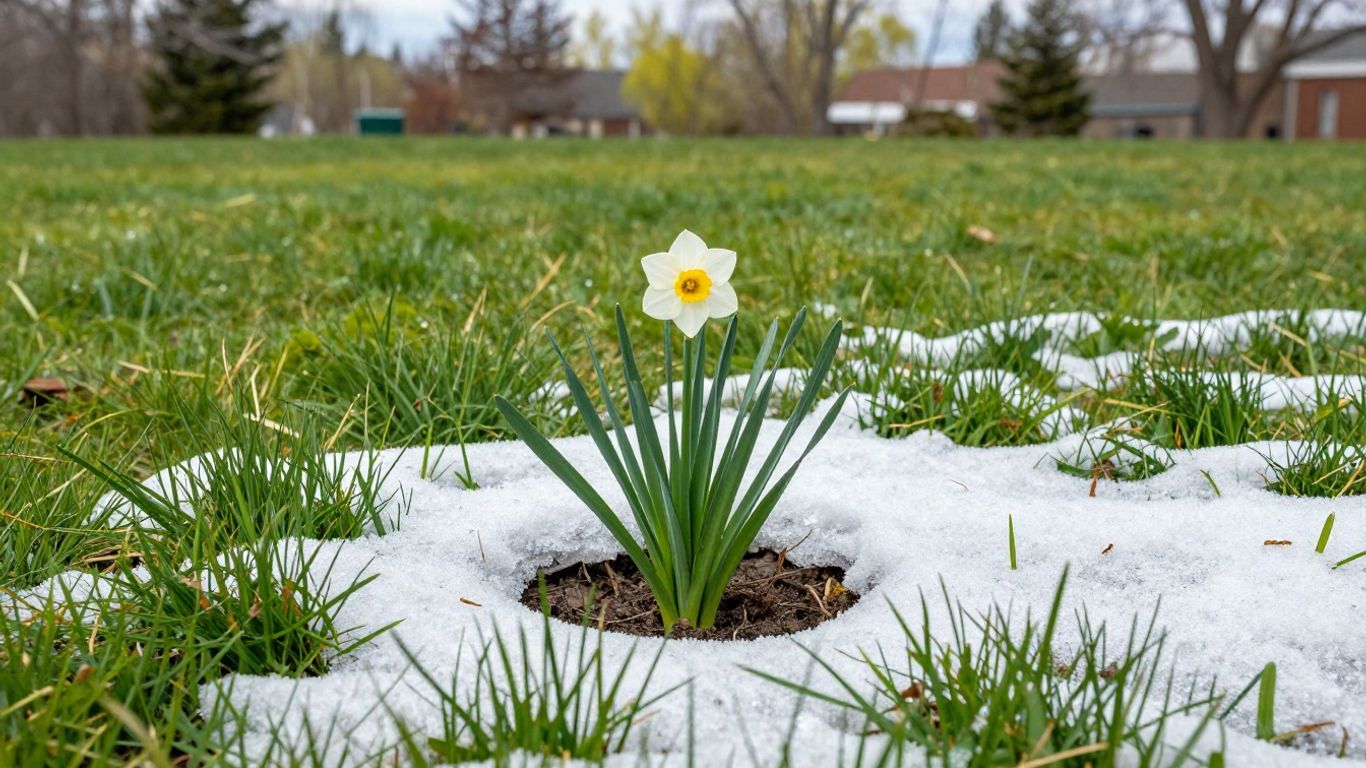
Spring is a time for renewal, and that often means wanting to get outside and tackle yard work. But when it comes to Ottawa landscaping in spring, jumping the gun can actually cause more harm than good. We’ve all seen those eager beavers out there with their rakes and shovels way too early, but there’s a reason why timing is everything. Let’s talk about why starting your spring landscaping efforts too soon can backfire and what you should really be doing to get your yard ready for the warmer months.
Why Timing Matters More Than You Think in Canadian Landscaping
Starting your spring landscaping projects too soon can feel like a good idea, a way to shake off the winter blues and get a head start. But honestly, it’s a bit like trying to bake a cake before the oven is even warm – you’re just not going to get the results you want, and you might even mess things up.
Canada’s climate is pretty unique, and our spring weather can be a real mixed bag. One week it might feel like summer has arrived, with warm sunshine and melting snow. The next, you can get hit with a surprise frost or even another snowfall. This unpredictability is the main reason why timing is so important. Jumping the gun on landscape tasks can actually harm your plants, compact your soil, and set your garden back before it even really gets going.
Think about your lawn, for instance. It’s been dormant all winter, and it needs time to wake up gradually. If you start mowing too early, or try to fertilize when the ground is still too cold and wet, you can damage the delicate new growth. Plus, walking on soggy soil can lead to compaction, making it harder for water and nutrients to reach the grass roots. It’s a delicate balance, and rushing it can cause more problems than it solves.
The soil itself needs to be ready. If it’s still frozen or waterlogged, any work you do can cause damage that’s hard to fix later. Patience is key when it comes to getting your yard ready for the growing season.
Here are a few things to consider:
- Soil Temperature: Different plants and grass types have specific soil temperature requirements to thrive. Planting too early means the soil is too cold for roots to establish properly.
- Frost Risk: Late frosts can kill off tender new plants or damage emerging buds on trees and shrubs.
- Soil Compaction: Working the soil or walking on it when it’s wet can compress it, hindering drainage and root growth for the rest of the season.
So, while the urge to get out there and start digging might be strong, it’s worth taking a step back and observing the conditions. Waiting for the right moment ensures your efforts actually help your landscape flourish, rather than hinder its progress.
What Happens When You Start Landscaping Too Early
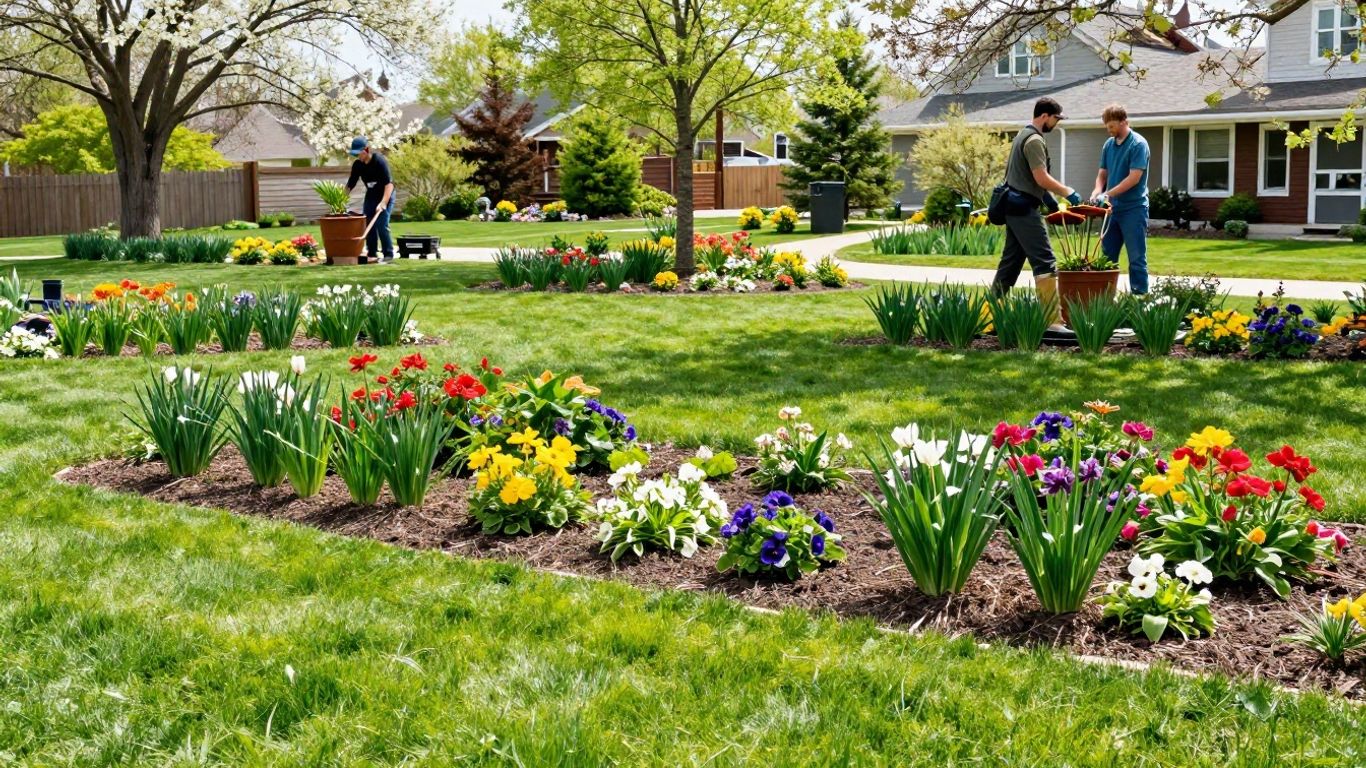
Jumping the gun on it can really mess things up. You might think you’re getting a head start, but often, you’re just setting yourself up for problems. One of the biggest issues is soil compaction. When the ground is still wet and hasn’t had a chance to thaw and dry out properly, walking on it or running heavy equipment over it can compress the soil. This makes it harder for water and air to get to plant roots, which is bad news for their health.
Another common problem is damaging new growth. Those first little shoots and buds are delicate. If you’re out there tilling, planting, or even just walking around too much before the danger of frost has passed, you can easily break them off or expose them to cold snaps. This can set your plants back weeks, or even kill them.
Here are a few things that can go wrong:
- Soil Compaction: Heavy foot traffic or machinery on wet soil squeezes out air pockets, making it hard for roots to breathe and absorb water.
- Plant Damage: Young, tender growth can be easily broken or damaged by early activity, especially if a late frost hits.
- Erosion: Bare soil, especially on slopes, is vulnerable to wind and rain before plants have established a good cover, leading to soil loss.
- Weed Woes: Disturbing the soil too early can bring dormant weed seeds to the surface, giving them a head start before your desired plants even get going.
It’s tempting to get out there and make your yard look nice, but patience is key. Trying to mulch too early, for example, can trap moisture and lead to fungal issues, or smothering delicate new growth. It’s better to wait until the soil has had a chance to warm up and dry out a bit. For some tips on proper mulching, check out this guide on preventing weeds.
Rushing the process often means you’ll have to redo work later, costing you more time and money. It’s a classic case of ‘haste makes waste’ when it comes to your garden and lawn.
Signs It’s TOO Early to Start Spring Landscaping
It’s tempting, I know. The sun peeks out, you’re itching to get your hands dirty, and visions of a perfect garden dance in your head. But hold on a second. Rushing into it too soon in Canada, especially in places like Ottawa, can actually do more harm than good. You’ve got to read the signs your yard is giving you.
The ground is still too wet to work on. If you can easily leave deep footprints or your shovel sinks in without much effort, it’s a clear indicator that the soil is waterlogged. Trying to dig, till, or even walk heavily on saturated ground compacts the soil. This makes it harder for air, water, and nutrients to reach plant roots later on, and it can mess with drainage for the entire season. Think of it like trying to build a house on mud – not a good foundation.
Here are some other things to watch out for:
- Frost is still a real possibility. Even if the daytime temperatures are pleasant, nighttime freezes can still happen. These can damage tender new growth you might have planted or even harm dormant perennials that are just starting to wake up.
- Snowmelt is still actively happening. If you’re seeing large puddles or your yard feels more like a swamp than solid ground, it’s definitely too early. This excess water can suffocate plant roots and create an environment where fungal diseases thrive.
- Wildlife is still scarce. While not a direct sign of soil conditions, a lack of bird activity or other signs of returning wildlife can sometimes suggest that the broader ecosystem hasn’t quite caught up to your eagerness.
You might see some green shoots pushing through, and that’s exciting, but it doesn’t mean the danger has passed. The soil temperature is just as important as the air temperature. If it’s still cold deep down, the roots aren’t ready to get going, and disturbing them can set your plants back significantly.
So, resist the urge to go full-throttle on major landscape projects. Patience is key when it comes to getting your Canadian yard ready for spring.
When Is the Right Time to Start Landscaping in Spring?
Figuring out the perfect moment to kick off your spring landscape projects can feel like a guessing game, right? You see the snow melting and think, ‘Let’s get this done!’ But jumping the gun can actually cause more harm than good. The soil needs a chance to warm up and dry out a bit. If you start digging or planting in soggy, cold ground, you can compact the soil, making it tough for roots to grow later on. Plus, those surprise late frosts can really damage tender new plants.
The sweet spot for starting most outdoor living landscaping is typically mid-to-late April, once the risk of a hard frost has passed and the ground is workable.
Here’s a general idea of what to look for:
- Soil Temperature: Aim for soil temperatures consistently above 7°C (45°F). You can test this with a simple soil thermometer. Cold soil stunts growth and can kill young plants.
- Ground Condition: The soil should be moist but not waterlogged. Try squeezing a handful; if it forms a tight ball that doesn’t crumble, it’s too wet. If it crumbles easily, it’s about right.
- Frost Risk: Keep an eye on the long-range forecast. While some hardy plants can handle a light frost, tender annuals and vegetables will need protection or a later planting date.
Starting too early means dealing with mud, potential frost damage, and soil compaction that can plague your garden all season. It’s better to wait a little longer for conditions to be just right than to rush and create problems you’ll have to fix later.
While you’re waiting for the soil to dry out, there are still things you can do. Think about planning your garden layout, ordering seeds and supplies, and cleaning up fallen leaves and debris from your lawn and garden beds. This prep work gets you ready for the main event without disturbing the delicate soil structure.
What You CAN Do Early in Spring (Without Damaging Your Yard)
Even though it’s tempting to get out there and start digging, some early spring activities are actually beneficial for your yard without causing harm. It’s all about working with nature, not against it, especially when the ground is still a bit soggy and the real growing season hasn’t kicked off yet.
Safe Early Tasks
There are a few things you can tackle before the soil is fully workable. These tasks help tidy up and prepare for the main event without disturbing delicate roots or compacting wet soil.
- Clear Debris: Rake up fallen leaves, twigs, and any other winter debris that has accumulated on your lawn and garden beds. This lets sunlight reach the soil and prevents matting.
- Prune Selectively: Focus on dead or damaged branches on trees and shrubs. Avoid heavy pruning until the risk of frost has passed and plants show signs of new growth.
- Inspect and Repair: Walk around your property and note any damage from winter – think broken fences, damaged irrigation heads, or worn-out garden edging. Make a list so you can address these issues later.
- Edge Garden Beds: Use a flat spade or an edger to redefine the borders of your garden beds. This creates a clean look and helps keep grass from creeping into your flower areas.
Avoid
While there are safe early tasks, there are also things you absolutely should not do. These can set your landscaping back significantly.
- Heavy Foot Traffic on Wet Lawns: Walking on a soggy lawn compacts the soil, making it harder for grass roots to grow and for water to drain. You’ll end up with bare patches and poor growth.
- Applying Fertilizer Too Soon: Most cool-season grasses don’t need their first feeding until mid-spring. Applying it too early can lead to weak, leggy growth that’s susceptible to disease and frost.
- Starting Major Planting: Unless you’re planting very cold-hardy species like certain bulbs or shrubs that can handle frost, wait until the soil has warmed up and the danger of a hard freeze is gone. Trying to plant too early can kill tender new plants.
- Power Washing Hardscaping: While it’s tempting to clean your patio, especially for a patio in Ottawa, wait until temperatures are consistently above freezing. Power washing can force water into cracks, which can then freeze and expand, causing damage.
The key to early spring yard work is observation and patience. It’s better to wait a week or two for the soil to dry out a bit than to cause long-term damage by rushing the process. Think of it as a gentle wake-up call for your landscape, not a full-blown renovation.
Here’s a quick rundown of what to hold off on:
| Activity | Why Avoid Early? |
|---|---|
| Aerating the Lawn | Soil is too wet, can cause more compaction. |
| Overseeding | Seed may not germinate well in cool, wet soil. |
| Planting Annual Flowers | High risk of frost damage to tender plants. |
| Applying Weed Preventer | Can interfere with grass seed germination if overseeding. |
| Heavy Soil Tilling | Can destroy soil structure when wet. |
Spring Lawn Care Timeline
Getting your lawn ready for spring in Canada requires a bit of patience and knowing when to act. Rushing things can actually do more harm than good, especially with our unpredictable weather. Timing is everything when it comes to effective spring lawn care and maintenance.
Early Spring
This is the period right after the snow melts but before the grass really starts to grow. The ground might still be quite wet and cold.
- Wait for the thaw: Don’t even think about stepping on your lawn if it’s still frozen or saturated. Walking on it can compact the soil and damage the delicate grass blades trying to wake up.
- Clear debris: Once the ground is firm enough, gently rake away any fallen leaves, twigs, or other debris that accumulated over winter. This lets sunlight and air reach the soil.
- Inspect for damage: Look for any signs of winter damage, like snow mold or areas where critters might have tunneled.
It’s tempting to get out there with all the tools as soon as the snow is gone, but remember, your lawn is just waking up. It’s fragile and needs time to recover from winter before it can handle heavy activity.
Mid Spring
By this stage, the soil is warming up, and you’ll likely see the first signs of green growth. This is when more active spring lawn maintenance can begin.
- First mow: Once the grass has grown a couple of inches, give it its first haircut. Don’t cut it too short; aim for a higher setting to encourage stronger root growth.
- Aeration (if needed): If your soil is compacted, mid-spring is a good time to aerate. This helps water, air, and nutrients reach the grass roots.
- Dethatching (if needed): If you have a thick layer of thatch (dead grass material), dethatching can help improve air circulation and water penetration. Be careful not to overdo it.
- Weed control: Start addressing any weeds that are popping up. Spot treatment is often best to avoid unnecessary chemical use.
Late Spring
Your lawn should be actively growing now, and the weather is generally more stable. This is the time for feeding and ongoing care.
- Fertilizing: Apply a balanced fertilizer to give your lawn the nutrients it needs for healthy growth. Check the product instructions for the right amount and timing.
- Overseeding (if needed): If you have bare patches, late spring is a good time to overseed. Ensure the new seeds have consistent moisture.
- Regular mowing: Continue mowing regularly, adjusting the height as needed. Keep your mower blades sharp for a clean cut.
- Watering: Water deeply but less frequently to encourage deep root systems. Water early in the morning to reduce evaporation and disease risk.
Why Hiring a Professional Landscaper Saves You from Costly Mistakes
Starting your spring landscaping too early, especially in places like Ottawa, can really backfire. You might think you’re getting a head start, but you could actually be doing more harm than good. This is where bringing in the pros makes a huge difference. They know the local climate inside and out, understanding exactly when the ground is ready for planting and when it’s still too wet or frozen.
Trying to rush things can lead to a mess of problems. For instance, planting too soon means seeds might not germinate properly, or young plants could get damaged by late frosts. Digging into soggy soil compacts it, making it hard for roots to grow and for water to drain later on. It’s a bit like trying to bake a cake before the oven is hot – it just won’t turn out right.
Professionals have the experience to avoid these pitfalls. They can spot the subtle signs that indicate it’s truly time to get started, like when the soil is workable and the risk of frost has significantly decreased. They also have the right tools and techniques to handle the job efficiently and effectively, preventing damage to your lawn and garden beds. Hiring a professional landscaper helps avoid costly mistakes and ensures a luxury landscape. Hiring the right team is key to achieving your desired outdoor space.
Think about it this way:
- Understanding Soil Conditions: Pros know how to test soil moisture and compaction.
- Planting Timing: They have a deep knowledge of optimal planting windows for various species in your specific region.
- Pest and Disease Prevention: Early, improper work can invite pests and diseases; professionals know how to prevent this.
- Efficient Resource Use: They use materials and labor wisely, saving you money in the long run.
The temptation to get out there and start digging the moment the snow melts is strong, but nature has its own schedule. Ignoring it can lead to wasted effort, money, and a less-than-ideal outcome for your yard. Professionals bring a level of foresight and knowledge that’s hard to replicate.
Ultimately, a professional service can save you a lot of headaches and money. They have the know-how to get your yard looking its best, right from the start, without the trial-and-error that often comes with DIY attempts in unpredictable Canadian springs.
Ready to transform your outdoor space the right way? Contact our team today for expert landscaping services in Ottawa and let’s bring your vision to life.
How KJ Landscape Design Helps You Get Spring Landscaping Right
Starting your landscape services too early can lead to a whole host of problems, from damaging delicate new growth to creating muddy messes that are hard to fix. That’s where KJ Landscape Design comes in. We understand the unique challenges of the Canadian climate and know exactly when it’s the right time to get your yard in shape.
We take the guesswork out of spring yard work so you don’t have to. Our team has years of experience observing how the seasons change and how different plants and soils react. We know that pushing too soon can compact wet soil, harm dormant perennials, and even wash away precious topsoil in Ottawa. Instead, we focus on timing your landscaping tasks to coincide with optimal conditions.
Here’s how we help you avoid common early spring mistakes:
- Soil Assessment: We check your soil’s moisture content and temperature before any major work begins. Pushing equipment onto soggy ground can ruin its structure for the entire season.
- Plant Knowledge: We know which plants are hardy enough to withstand a late frost and which need a bit more time to wake up.
- Weather Monitoring: We keep a close eye on the forecast, understanding that a warm spell in March can be followed by a significant snowfall.
We believe in a proactive, informed approach. Instead of reacting to a problem caused by premature work, we plan ahead. This means your lawn and garden get the best possible start, looking great without the stress of potential damage.
Think of us as your local climate experts for your yard. We’ll guide you through the process, letting you know when it’s safe to:
- Start light raking to clear debris.
- Begin pruning certain hardy shrubs.
- Prepare garden beds for planting.
By partnering with KJ Landscape Design, you’re not just getting landscape services; you’re getting peace of mind that your yard is being cared for at the perfect moment, setting it up for a beautiful and healthy growing season.
Common Spring Landscaping Mistakes Homeowners Make
Starting it too soon is a classic pitfall for many Canadian homeowners. It’s tempting to get out there and “fix” things after a long winter, but jumping the gun can actually cause more harm than good.
One of the biggest errors is thinking that just because the snow is gone, the ground is ready. Walking on or working with saturated soil compacts it, making it hard for plant roots to grow and water to drain. This can lead to all sorts of problems down the line, from weak plants to root rot.
Here are a few other common missteps:
- Over-fertilizing too early: Your lawn and plants are still waking up. Bombarding them with nutrients before they’re ready can burn them or lead to weak, leggy growth.
- Pruning at the wrong time: Some plants bloom on old wood, meaning if you prune them too early in spring, you’ll cut off the flower buds. It’s a shame to miss out on those blooms!
- Ignoring soil conditions: Not checking if the soil is workable is a big one. If it’s still frozen or waterlogged, you’re just making a mess and potentially damaging your yard’s structure.
- Starting lawn mowing too soon: Letting the grass grow a bit longer in early spring helps it develop a stronger root system. Cutting it too short right away can stress it out.
Many homeowners also fall into the trap of thinking a “quick fix” is enough. They may rush into mulch projects or add fresh plants without considering the long-term health of their garden beds or lawn. While Ottawa mulching can improve appearance quickly, doing it without proper planning often leads to more work and higher costs later when these short-term solutions start to fail.
When you’re planning your spring landscaping, remember that patience is key. It’s better to wait for the right conditions than to rush and create problems that a professional landscaper spring might have to fix later. Getting it right the first time saves you time, money, and a lot of frustration.
So, What’s the Takeaway?
Look, we all get excited when that first warm spell hits Canada. It feels like spring is finally here, and you want to get out there and get things done. But rushing into it, especially with things like controlled burns or even just heavy soil work, before the ground and plants are truly ready can cause more harm than good. It’s better to wait a little longer, let nature do its thing, and then tackle your projects when the timing is right. Patience really does pay off when it comes to getting your landscape looking its best and staying healthy.
Frequently Asked Questions
Why is it bad to start landscaping too early in the spring in Canada?
Starting it too early can be harmful because the ground might still be frozen or very wet. Working on soggy soil can compact it, making it hard for plant roots to grow and for water to drain. Also, early spring weather can be unpredictable, with late frosts that can damage delicate new plants or freshly seeded lawns. It’s best to wait until the soil has a chance to dry out a bit and the risk of frost has passed.
What are the signs that it’s too early to start spring landscaping?
Look for a few key signs. If the soil is so wet that it sticks to your shoes and forms mud puddles when you walk on it, it’s too wet. If you can easily leave deep footprints, that’s another clue. Also, if there’s still a significant risk of frost damaging new growth, it’s probably too soon. Check the weather forecast for consistent warming trends.
When is the right time to start landscaping in Ottawa?
In Ottawa, the best time to start most spring landscaping is typically mid-to-late April or even early May. This depends on the specific weather that year, of course. Aim for a time when the ground is no longer waterlogged and the danger of hard frosts has mostly passed. You’ll want to see consistent daytime temperatures above freezing and some warmer nights.
What landscaping tasks can I safely do in early spring?
Even when it’s too early for major work, you can still do some light tasks. Gently raking leaves from the previous fall is usually okay if the ground isn’t saturated. You can also prune dead or damaged branches from trees and shrubs before new growth starts. Cleaning up garden beds of debris and checking on any winter damage are also good early-spring activities.
What should I avoid doing in my yard in early spring?
You should definitely avoid heavy foot traffic on wet lawns, as this compacts the soil. Don’t fertilize too early, especially with nitrogen-heavy fertilizers, as this can encourage weak growth that’s vulnerable to frost. Also, avoid planting tender perennials or annuals until the risk of frost is gone. And steer clear of using harsh chemicals until the plants are actively growing.
How does hiring a professional landscaper help with spring projects?
Professional landscapers have the experience and knowledge to know the best timing for specific tasks in your local climate, like Ottawa. They understand soil conditions and weather patterns, which helps them avoid damaging your yard. They also have the right equipment and techniques to get the job done efficiently and correctly, saving you time, effort, and potentially costly mistakes.