
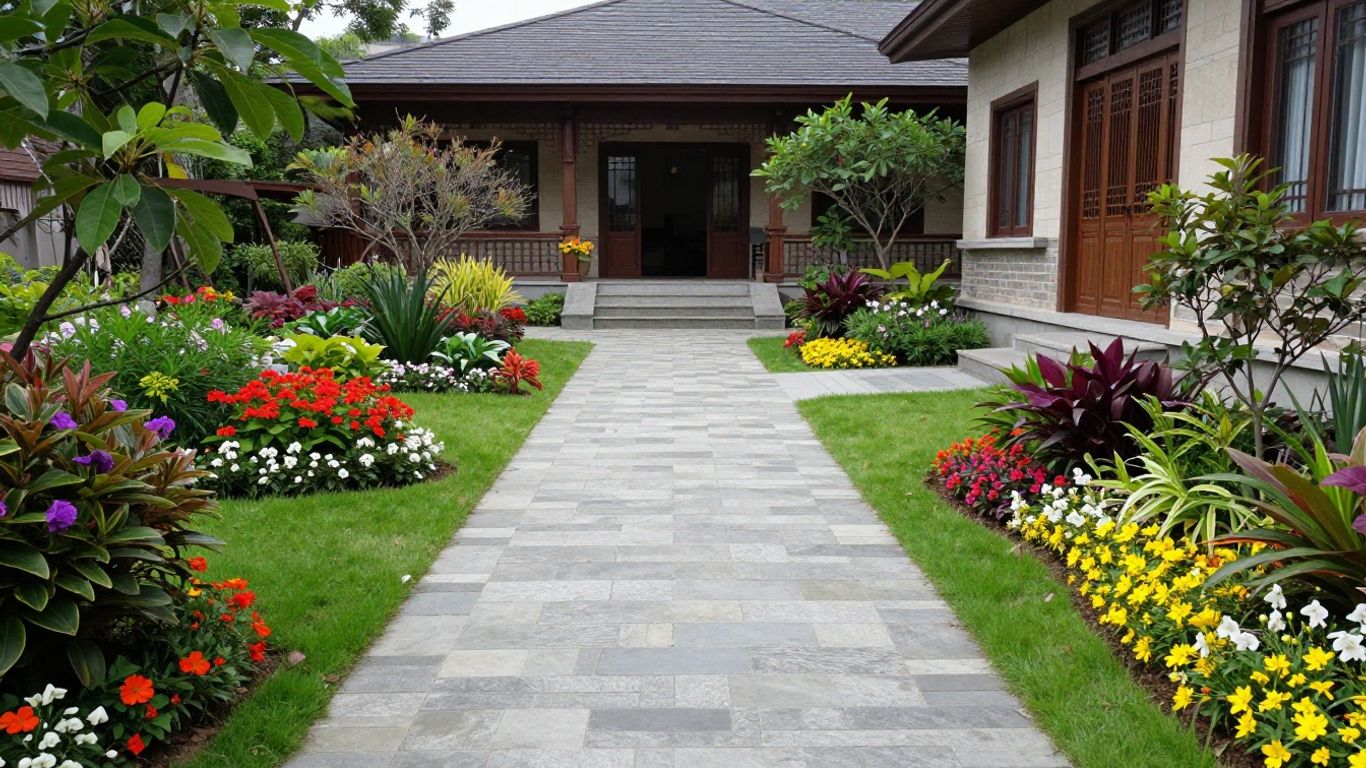
Key Takeaways
Enhancing your property with a professionally installed walkway can significantly boost curb appeal and functionality. These essential steps guide you through the process of choosing the right materials and balancing the investment for your Ottawa home.
- Paver walkways require careful base preparation to ensure long-term stability in the Ottawa climate.
- The cost structure depends on material choices like natural stone versus interlocking concrete pavers.
- Professional design can incorporate straight or curved paths to complement your specific landscape layout.
- Routine checks for loose stones or sinking sections help identify when professional maintenance is needed.
- Proper sub-base management prevents shifting caused by freeze-thaw cycles common in Ontario.
What Is Walkway Paver Installation?
Walkway pavers installation is one of the most effective ways to upgrade a property’s curb appeal in Ottawa. As part of our broader hardscaping services in Ottawa, KJ Landscape & Design designs and builds walkways that blend seamlessly with your existing outdoor features. This process involves precise excavation, base layer preparation, and the interlocking placement of individual stones or concrete units.
For many homeowners, this process is about creating a balanced blend of functionality and artistic design that enhances the entire property. By using individual pavers instead of a monolithic slab, the surface gains flexibility, allowing for slight ground movement without cracking under tension. This is particularly relevant in our local climate where soil expansion and contraction rates vary significantly throughout the seasons.
Finally, the versatility of these systems means that homeowners can adapt the path to almost any terrain or slope. Whether you are aiming for a classic look or a modern minimalist approach, the foundation involves selecting appropriate materials that can handle the local temperature fluctuations. Properly executed projects remain level and stable for years, providing a reliable path while elevating the visual interest of your outdoor space.
How Much Does Walkway Paver Installation Cost in Ottawa?
Setting a budget for a new pathway requires understanding both the materials and the labor complexity inherent in Ottawa’s specific climate requirements. Professionals typically evaluate the size of the area, the soil composition, and the degree of site excavation necessary to get the foundation perfectly level. Prices can vary significantly based on these factors, which makes planning a paver walkway an important early step in your landscaping journey.
Average Cost Per Square Foot (Ottawa Pricing)
In the current market, the cost per square foot for a standard project fluctuates based on the chosen finish and stone type, with basic concrete pavers sitting at the more affordable end and premium natural stone finishes commanding a noticeably higher investment. It is wise to consider the total volume of work, as larger projects occasionally benefit from economies of scale regarding material handling and cleanup. For an accurate, project-specific number, the team at KJ Landscape & Design provides free on-site quotes tailored to your walkway’s size and material choice.
Factors That Affect Walkway Paver Installation Pricing
Several key elements influence the final quotation you might receive from a landscape contractor. The grading of your lot often dictates the amount of heavy machinery and extra fill required, while the complexity of design patterns introduces more labor time for cutting and trimming individual stones. The table below outlines these common influences on your overall project expense:
| Cost Driver | Influence on Pricing |
|---|---|
|
Site Excavation |
Increases with depth of poor soil to remove |
|
Design Complexity |
Higher based on curved lines and corners |
|
Material Selection |
Premium stone costs more than basic concrete |
|
Drainage Needs |
Adds to cost via subsurface pipes or grading |
These variables are exactly why an on-site consultation is essential for ensuring your quote covers all hidden requirements. Always ensure that the proposal explicitly mentions whether it includes the removal and disposal of old debris, as this often serves as the most variable labor component.
Best Materials for Walkway & Sidewalk Paver Installation
Choosing the surface material defines both the longevity and the maintenance profile of your new sidewalk paver installation. Ottawa homeowners must balance the desire for aesthetic luxury with the undeniable need for a material that stands up to heavy snow clearing equipment. Most modern projects aim for high-density products that do not absorb moisture, as this prevents common issues like cracking during early spring thaws.
Concrete Pavers vs. Natural Stone for Walkways
Concrete pavers remain the standard for cost-effectiveness and uniformity, making them a popular choice for rapid installation. Conversely, natural stone like limestone or flagstone provides a unique, earthy aesthetic that ages beautifully over time. Each material comes with distinct requirements for sealing and cleaning that you should review with your installer during the planning phase.
Interlocking Pavers for Walkways and Sidewalks
Interlocking systems work by distributing the weight of foot traffic evenly across the surface, effectively locking the pieces together like a giant puzzle. These are often the preferred option for high-traffic areas because they allow for localized repairs. If one section of your path were to shift, you can remove individual units to fix the bedding without needing to dismantle the entire structure. Consider these popular options for your project:
- Traditional concrete brick pavers for a classic modular look.
- Permeable stone pavers to help improve rainwater drainage.
- Flagstone-style concrete units for a softer, organic appearance.
- Decorative border accents to frame the main walking path.
Selecting your materials is a major part of the design process – if you’re weighing interlock for your walkway, our interlock installation services in Ottawa page breaks down options in more depth to help clarify what fits your vision and budget. Always check for surface texture as well, as some natural stones can become quite slick when wet or icy.
Walkway & Sidewalk Paver Design Options for Ottawa Homes
Design choices allow your walkway to act as a defining feature of your front yard or back garden aesthetic. From modern geometric layouts that imply a sense of order to meandering curves that create a calming garden experience, the way you arrange your units changes the feel of your home arrival. You might also consider using pavers and pebbles if you want a look that feels more permeable and relaxed for a backyard retreat. If your walkway leads into a seating or entertaining area, pairing it with a professional patio design in Ottawa creates a cohesive look across your whole outdoor space.
Straight, Curved & Stepping-Stone Layouts
Straight paths create a sense of formality and direction, drawing the eye directly toward your front door and simplifying navigation for guests. Curved paths, by contrast, invite a more leisurely pace and can make a small outdoor space feel significantly larger by hiding the path’s destination behind shrubs or garden beds. Stepping-stone layouts with grass centers or gaps offer a relaxed, artisanal feel that works beautifully in casual landscaping. Whichever layout you choose, working with an experienced landscaping company in Ottawa ensures the path is graded and positioned correctly the first time.
Paver Patterns, Colours & Border Accents
Patterns like herringbone or running bond provide structural strength through alternating stone orientation, which helps keep the path stable under stress. Colour choices range from deep greys that mask dirt to warmer sand tones that brighten dark entranceways. Adding a contrasting border accent is generally what elevates a standard project into a professional, cohesive landscape element, providing that clean edge which separates your path from surrounding grass or mulch.
Walkway Pavers vs. Sidewalk Pavers: Key Differences
While the terms are often used interchangeably, the technical distinction usually relates to the expected intensity and volume of foot traffic. Walkways generally refer to smaller, privately owned paths leading through residential gardens or from driveways to entryways. Sidewalks are typically public or semi-public areas, built to wider municipal specifications to withstand consistent, high-volume use by pedestrians and commuters.
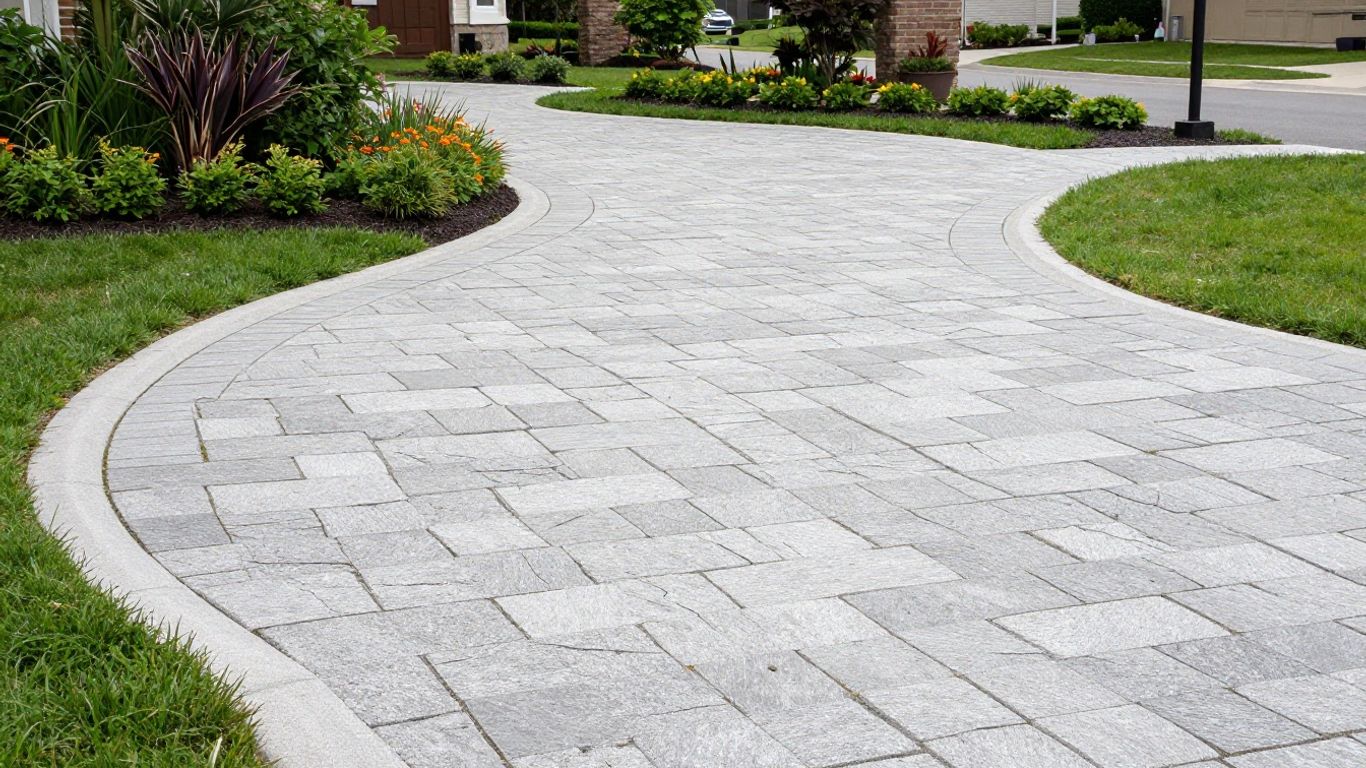
Residential walkway pavers are designed primarily for aesthetic cohesion and light routine use, while sidewalk pavers require a much more robust sub-base construction. Public sidewalks must meet specific accessibility standards for width and smoothness, often requiring thicker base layers to support the weight of industrial snow removal equipment. You will notice that municipal sidewalks are almost always constructed with standardized concrete modules rather than the decorative, coloured stones often found in private walkways.
Understanding these differences helps when you are sourcing products, as items marketed specifically for commercial sidewalk application might be overkill for a residential path. It is always best to prioritize materials that are specifically rated for outdoor residential pedestrian use to ensure you get the best blend of cost and performance. If you are ever unsure, a professional contractor can guide you toward the right density and style for your project’s specific location on your property.
Step-by-Step Walkway Paver Installation Process
Successful installation begins with a period of site planning and deep clearing, ensuring that all grass, weeds, and soft topsoil are removed. Proper base preparation, using a geotextile layer where drainage is an issue, creates a stable barrier that prevents the clay subsoil from mixing with the aggregate. This step is non-negotiable for anyone who wants a result that will not settle or shift after the first winter frost. The same base-prep principles apply to structural additions like retaining wall installation in Ottawa, where a compacted, well-drained foundation is just as critical.
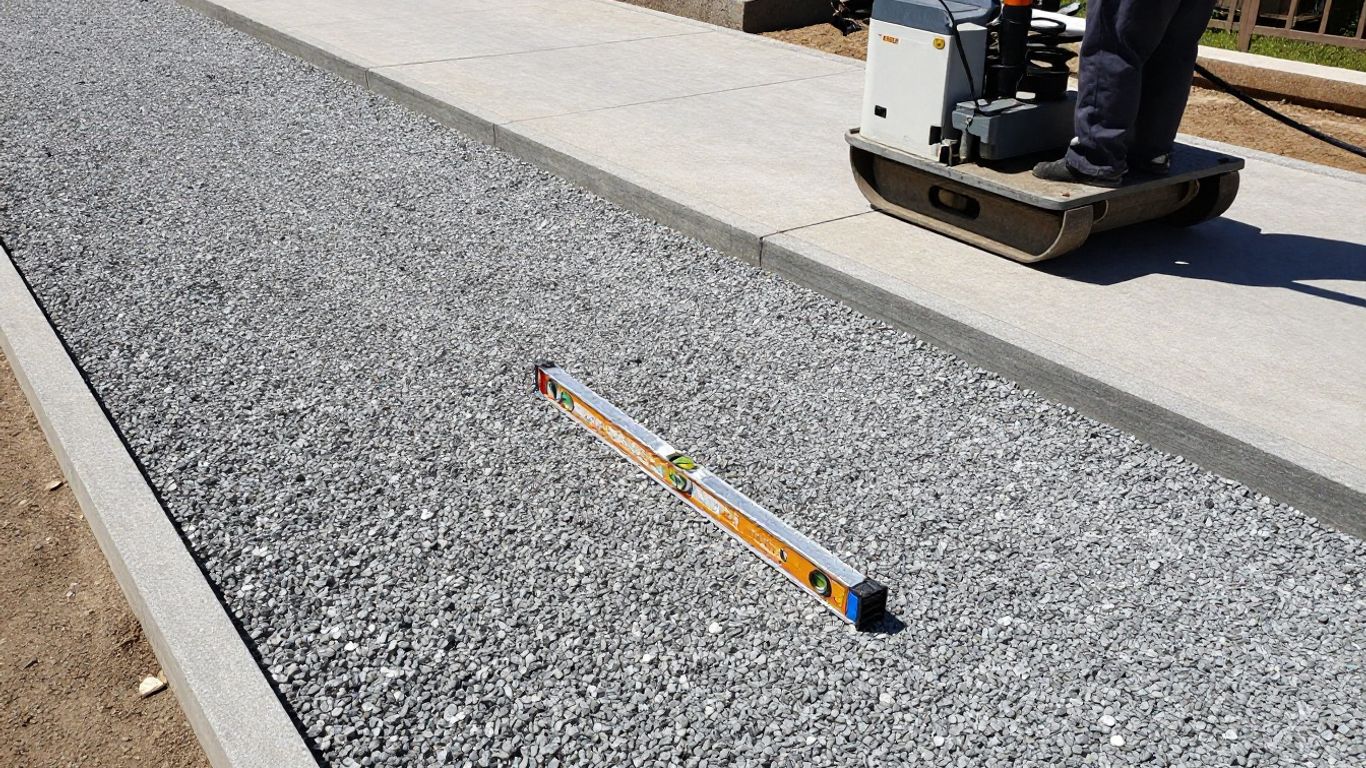
Once the base is ready and compacted in strict 3-inch layers, you move on to the bedding sand layer. This thin bed of sand is what allows you to set the pavers at the perfect elevation, ensuring that the finished surface is level or sloped slightly for proper water drainage. It is crucial to work precisely here, using levels and string lines to maintain consistent grades across the entire span of the path.
Finally, the joints must be filled with a high-quality polymeric sand, which is then swept and activated with water to create a rigid, weed-resistant seal – proper installation here is what prevents the common interlock sand joint problems in Ottawa that many homeowners run into later. Once the edges are secured with proper landscape edging solutions in Ottawa to prevent horizontal migration, the path is finished and ready for use. This systematic approach is what separates a long-lasting, clean result from a project that looks great today but fails after a single season of extreme weather.
Signs Your Walkway Needs Professional Paver Installation
One of the most obvious signs that a walkway has reached the end of its functional life is the appearance of sinking spots or puddles. When water pools on your walkway, it is a clear indicator that the original sub-base has failed, usually because it was never compacted correctly or because the drainage grade has shifted – the same root cause behind most cases of poor drainage in Ottawa backyards. This common issue leads to an uneven surface that can quickly become a tripping hazard for visitors.
Another indicator is the recurring growth of weeds or moss through the joints of your pavers. While you might clear these out repeatedly, their presence suggests that the jointing material has eroded away completely, meaning the stones no longer have the support they need. When you notice that individual stones begin to wobble or click when you walk over them, the structural integrity is compromised and the entire area likely needs a professional review.
Lastly, if your current walkway creates a bottleneck or fails to provide safe access during the winter, upgrading to a properly designed paver path is a smart move. A poorly constructed path can cause damage to nearby plants and home foundations if water is backing up against the structure. Replacing an aging, sinking path with a modern paver system ensures safety and adds significant value to your home for years to come. Call KJ Landscape & Design at (613) 229-0213 to book a free on-site walkway assessment in Ottawa.
FAQs About Walkway & Sidewalk Paver Installation in Ottawa
How long does a standard paver walkway last in Ottawa?
If installed with a proper base and high-quality materials, a paver walkway can easily last twenty to thirty years or more without needing major structural repairs.
Can I install pavers over existing concrete?
While possible, you must ensure the existing concrete slab is in good condition, as any cracking or settling in the original base will eventually mirror through the new paver surface.
Why do my pavers have white powder on them?
This is called efflorescence, a natural process where minerals migrate to the surface of concrete, but it typically washes away on its own during normal precipitation.
How often should I seal my concrete pavers?
Professional installers usually recommend cleaning and re-sealing your pavers every three to five years to keep the colours vibrant and prevent common stains.
Do I need a building permit for a new walkway?
Most private residential walkways do not require a permit, but it is always wise to check with your local municipal office – the rules follow similar logic to what applies for a retaining wall permit in Ottawa.
Can I use sand instead of polymeric sand for joints?
While traditional sand is cheaper, polymeric sand is far superior because it hardens when wet and actively helps prevent weed growth and debris from entering the joints.
What can I do about moss growing in my walkway joints?
Moss growth usually indicates high moisture and lack of sunlight, so cleaning the joints, killing existing growth, and filling with fresh polymeric sand should provide a long-term fix.
Conclusion
Investing in a high-quality walkway is one of the most rewarding ways to improve the accessibility and visual appeal of your home. By focusing on the structural foundation and choosing materials suited for the Ottawa climate, you create an outdoor space that truly lasts. Take the time to plan your project carefully, and enjoy the lasting beauty of a well-installed path. Ready to get started? Ready to get started? Contact the KJ Landscape & Design team for a free walkway pavers installation quote.