
By KJ Landscape & Design Team | Reviewed by KJ Landscape & Design’s Certified Landscaping & Tree Removal Specialists | Updated September 2026
Key Takeaways
Urban tree canopy is more than a measure of leafy streets. It affects shade, drainage, habitat, neighbourhood comfort, and the long-term character of your property.
- Canopy describes the tree cover visible from above.
- Mature trees can provide cooling, shade, and stormwater benefits.
- Private lots contribute to the wider urban forest.
- Thoughtful planting starts with soil, space, and mature size.
- Canopy planning works best as a long-term property decision.
What Is Urban Tree Canopy?
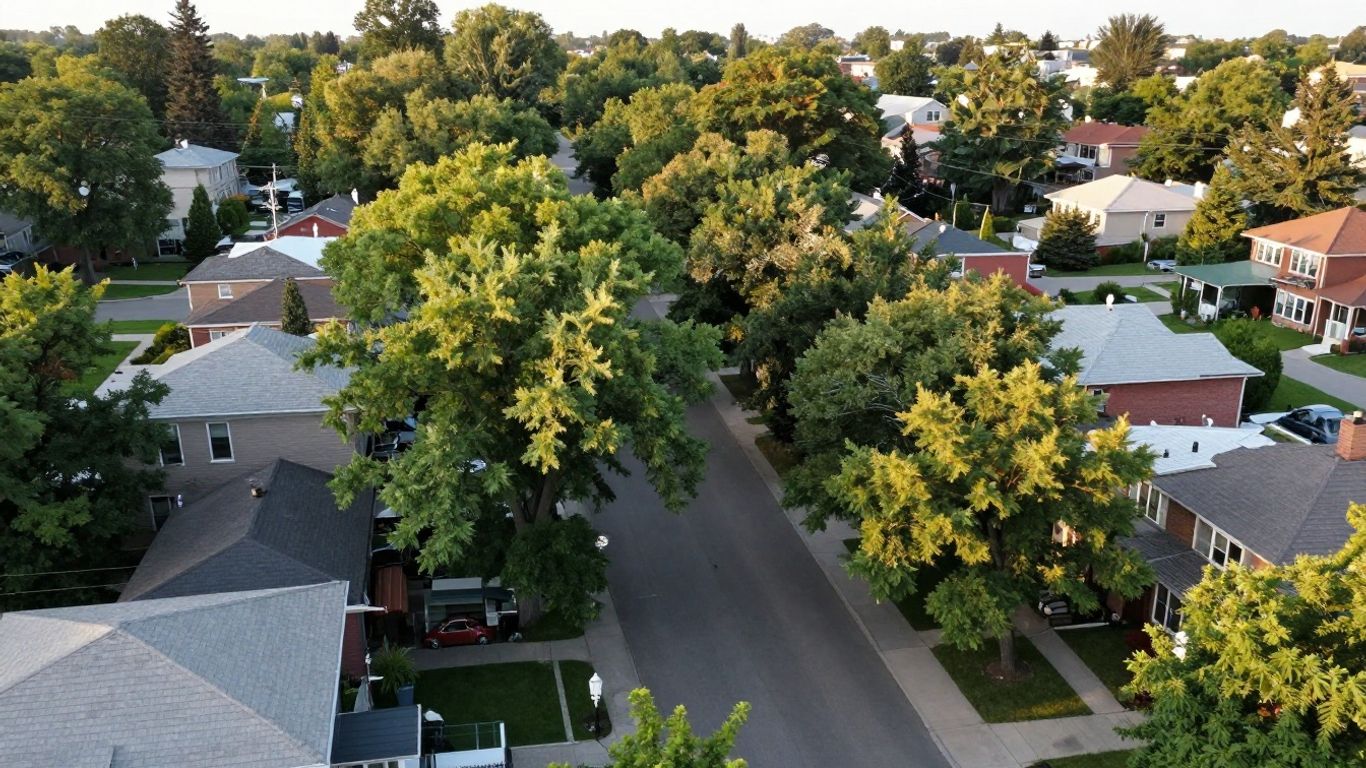
Urban tree canopy is the layer of leaves, branches, and stems that covers the ground when viewed from above. It includes trees on public boulevards, parks, commercial sites, and residential properties. In practical terms, it is the leafy cover that links individual trees into a larger urban forest.
When you look at a neighbourhood from the air, canopy appears as connected or scattered patches of green. A mature backyard tree may contribute to that overall picture just as a street tree does. Your property is therefore part of a much larger living system, even when the lot itself feels private and separate.
Canopy is not the same as the number of trees planted. One small ornamental tree and one large mature maple may count as two trees, but they do not occupy the same amount of overhead space. Mature size matters because canopy develops over time and depends on species, growing conditions, health, and available room.
How Tree Canopy Is Measured and Why Ottawa Tracks It
Canopy is commonly assessed from above using aerial imagery, mapping, and land-cover analysis. The result is often expressed as a percentage of land area covered by tree crowns. That percentage helps cities understand where canopy is strong, where it is fragmented, and where planting or protection may have the greatest value.
Aerial measurements do not tell you everything about an individual tree. They cannot fully describe root condition, structural risk, species diversity, or whether a tree is thriving. They are still useful for identifying broad patterns across neighbourhoods and for comparing canopy over time.
Ottawa tracks canopy because urban trees interact with streets, buildings, drainage, heat, and public space. Data can support decisions about planting, preservation, development, and maintenance. For a wider explanation of how canopy mapping can model present and future cover, research from the USDA Forest Service discusses present and future cover modelling, while remembering that local conditions and municipal policies differ.
Why Urban Canopies Matter Beyond Aesthetics
A leafy street can feel calmer and more inviting, but the value of canopy goes beyond appearance. Trees alter how sunlight, rain, wind, and air move through a built-up area. They also create vertical structure in neighbourhoods that would otherwise be dominated by roofs, pavement, and walls.
The benefits are cumulative. A single tree may shade part of a driveway, while a connected canopy can influence an entire walking route or block. The effect depends on tree size, placement, health, and the surrounding landscape rather than on a simple tree-count target.
Cooling, Stormwater, and Air Quality Benefits
Trees provide shade and release water through their leaves, which can help moderate local conditions during hot weather. Their leaves and branches intercept some rainfall before it reaches hard surfaces, while roots and surrounding soil can support infiltration. Trees can also capture some airborne particles and contribute to a more comfortable streetscape.
These functions are especially useful where asphalt, roofs, and compacted ground dominate. A canopy plan should still account for clearance from buildings, overhead wires, utilities, and sightlines. The goal is not to plant randomly, but to place the right tree where it can grow safely and contribute over many years.
Research and community examples describe urban trees as part of broader climate and habitat strategies. The Nature Conservancy’s urban forestry research offers one perspective on shade, runoff, air quality, and habitat connectivity. On your own property, those broad benefits become practical questions about shade on a patio, water near a foundation, or room for a tree to mature.
Tree Canopy and Property Value: What the Research Shows
Research often associates attractive, well-maintained trees and landscapes with stronger neighbourhood appeal. Trees can frame a home, soften hard edges, create outdoor rooms, and make a property feel established. Those qualities may influence how buyers experience a home, although the effect is not identical from one property or market to another.
Canopy should not be treated as a guaranteed financial return. A poorly placed tree, declining tree, or dense canopy that blocks light and creates maintenance problems can have a different effect from a healthy, appropriately located tree. Condition and design matter as much as coverage.
For you as a homeowner, the useful takeaway is to think in terms of durable landscape value. Protect healthy trees, avoid planting where mature roots or branches will conflict with structures, and maintain the surrounding soil. A well-planned tree can contribute to comfort and presentation long before any property transaction takes place.
Ottawa’s Tree Canopy Goals and What They Mean for Homeowners
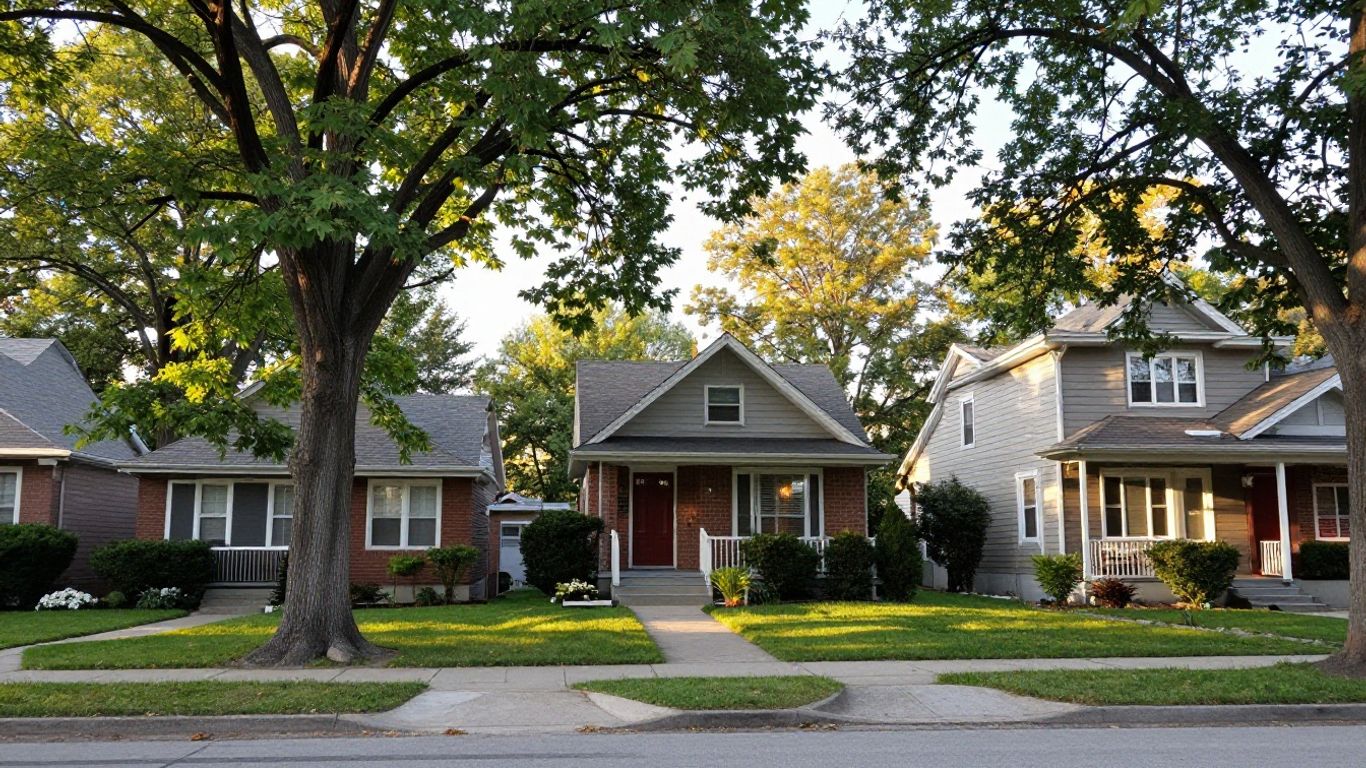
Municipal canopy goals provide a city-wide direction for protecting and expanding tree cover. They generally depend on many property types working together, from parks and streets to private yards. Homeowners do not control the whole target, but the decisions made on individual lots add up across a neighbourhood.
For you, that may mean preserving a healthy existing tree, replacing a lost tree, or leaving uncompacted soil enough for a new planting to establish. It also means considering canopy as part of renovation and landscape planning rather than treating it as an afterthought. Small choices can have a long lifespan when a tree remains healthy for decades.
How the Tree Protection Bylaw Connects to Canopy Coverage
Tree protection rules and canopy goals address related but different questions. A bylaw may set requirements around removing or injuring certain trees, while a canopy goal considers the amount and distribution of tree cover across a larger area. One protects individual resources; the other looks at the collective urban forest.
Before removing or significantly altering a tree, you should check the current Ottawa tree protection bylaw and determine whether permits, applications, or other approvals apply. Rules can depend on location, tree characteristics, and the proposed work. Professional advice does not replace municipal confirmation, but it can help you identify the questions to ask.
The practical principle is simple: removal should not be the first planning step when retention, pruning, or redesign may solve the problem. A tree-by-tree decision can affect shade, privacy, drainage, and future canopy well beyond the day of the work.
How Much Canopy Does a Typical Ottawa Property Have?
There is no single canopy percentage that describes a typical Ottawa residential lot. Lot width, age of the neighbourhood, housing density, soil conditions, previous removals, and tree species all create major differences. Two homes on the same street can have completely different overhead cover.
Older neighbourhoods may contain large trees with broad crowns, while newer developments may have younger plantings and more compact growing spaces. A small property can still contribute meaningful canopy if a well-selected tree has enough soil and clearance. Conversely, a large lot may have limited cover if trees were removed or conditions prevent establishment.
Instead of chasing a city-wide average, assess your own property. Look at existing crown spread, sunny and shaded areas, planting setbacks, drainage, overhead conflicts, and the likely mature size of new trees. This gives you a more useful starting point than comparing your yard with an unrelated lot.
A simple assessment can include:
- The location and condition of existing trees.
- Areas with room for a future mature crown.
- Conflicts with roofs, wires, paving, and service lines.
- Soil compaction, drainage, and irrigation conditions.
That information helps you distinguish between visually open space and space that is genuinely suitable for canopy. It also makes future conversations with an arborist, landscape professional, or municipal office more specific.
What Reduces Canopy Coverage on Private Property
Canopy is often lost gradually, although one major construction project or storm can change a lot quickly. Tree removal, site clearing, disease, severe weather, and poor growing conditions all reduce cover. Even when a replacement tree is planted immediately, the new crown may need many years to approach the size of the original.
Construction can affect trees without removing them. Soil compaction, grade changes, trenching, paving, and damage to roots or trunks can weaken a tree over time. A tree that looks fine at the end of a project may still decline later if its root zone was disturbed.
Private maintenance choices also matter. Repeatedly topping a tree, planting too close to a building, or allowing competing vegetation to overwhelm a young tree can limit its future contribution. Canopy planning is therefore partly about planting and partly about protecting the conditions that let trees remain healthy.
Building or Rebuilding Canopy: Where to Start on Your Own Lot
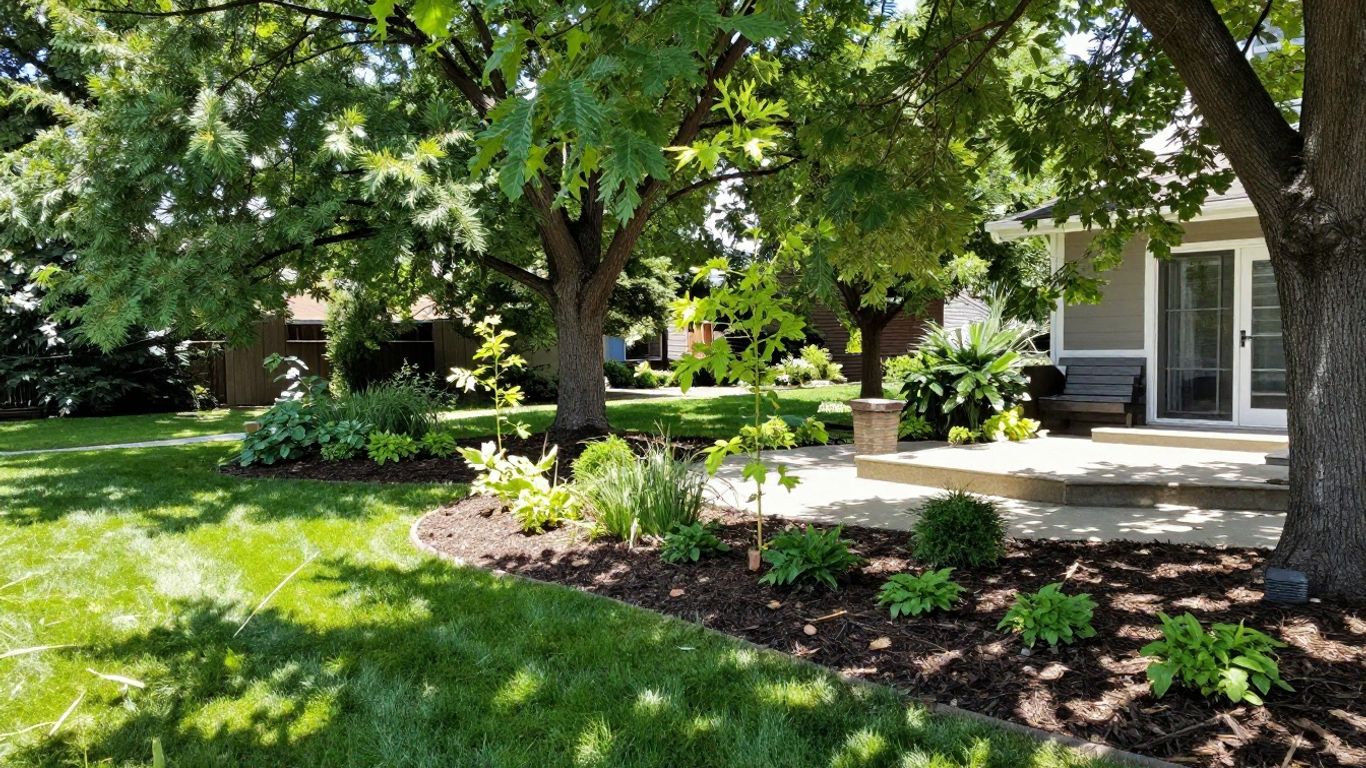
Start with what you already have. A healthy established tree may provide more immediate canopy than several new plantings, so inspect its condition and protect its root zone before making layout changes. Then consider where future shade, privacy, screening, or habitat would improve the property without creating avoidable conflicts.
Planting location deserves as much attention as species. Measure setbacks, check for utilities, consider mature crown and root space, and examine how water moves across the lot. A tree that is well matched to its site has a better chance of becoming a lasting part of the neighbourhood canopy.
Choosing Trees That Contribute Meaningfully to Canopy
Choose trees for their mature form, health requirements, hardiness, and fit with the site rather than for quick visual impact alone. A species that grows well in Ottawa but is planted in compacted, waterlogged, or undersized space may still struggle. Diversity is also useful because relying heavily on one type of tree can make a planting more vulnerable to a particular pest or disease.
Consider canopy contribution alongside everyday use. A broad-crowned tree may suit a backyard, while a smaller tree may be safer near a narrow walkway or overhead service. The most useful choice is the one that can reach a healthy mature size without constant conflict or severe corrective pruning.
For broader property planning, softscape design that accounts for soil and drainage can help you think about planting areas and maintenance together. Tree planting does not happen in isolation; it works best when the whole yard supports healthy roots and sensible water movement.
Front Yard vs. Backyard: Where Canopy Has the Most Impact
Front and back yards offer different opportunities. Choosing the right front yard tree can shade a walkway, soften the street edge, frame the entrance, and connect private planting with public canopy. A backyard privacy tree may provide more shade, habitat, and relief from heat around outdoor living areas.
The best location depends on the home and the lot. In a small front yard, underground utilities, sidewalks, driveways, and sightlines may limit the available planting space. In a backyard, fences and neighbouring structures can create similar constraints, even when the area appears open at first glance.
Think about the path of the sun, how people move through the property, and where water collects. Avoid placing a tree solely because an empty corner is available. A well-positioned tree can improve several parts of the property at once, while a poorly positioned one may create years of pruning and maintenance.
A Real Look at Canopy Loss and Recovery on an Ottawa Property
Imagine a property with one mature ash tree removed after decline, leaving a noticeably brighter yard and less afternoon shade. The homeowner plants a replacement, but the new tree is small and cannot immediately recreate the original crown. That gap between loss and recovery is one of the realities of canopy planning.
Recovery begins with choosing a suitable replacement and giving it room to establish. Soil preparation, watering during early seasons, mulch applied without touching the trunk, and protection from damage all influence whether the tree gets a strong start. The homeowner may also add smaller compatible plantings while waiting for the main tree to mature.
Over time, the property can regain shade and structure, but the result may not look identical to what was lost. The replacement species, available space, changing light, and surrounding trees all shape the new canopy. A recovery plan should therefore focus on a healthy future arrangement rather than trying to recreate the past exactly.
Common Misconceptions About Urban Tree Canopy
One common misconception is that canopy simply means the number of trees. Coverage depends on the area occupied by crowns, so mature trees and young trees make very different contributions. Counting trees can be useful, but it is not enough to understand the amount, distribution, or quality of canopy.
Another misconception is that more canopy is always better in every location. Trees need adequate room, and dense planting can create conflicts with buildings, utilities, views, or access. Good canopy planning balances shade and habitat with safety, maintenance, species diversity, and the practical needs of the property.
It is also easy to assume that planting automatically solves canopy loss. A newly planted tree may need years of care before it provides substantial overhead cover. Protecting existing healthy trees and improving planting conditions can be just as important as adding new ones.
Working With an Urban Canopy Tree Service to Plan for the Long Term
An urban canopy tree service can help you assess existing trees, identify constraints, and plan work in stages. The useful conversation is not limited to whether a tree should be removed. It can include retention, pruning, planting, soil conditions, clearance, future crown size, and how each decision affects the rest of the lot.
Before arranging a visit, gather basic information about the property. Note visible concerns, recent construction, storm damage, drainage issues, and the areas where you want more shade or screening. Photos and a rough site sketch can make the initial discussion more productive, although they do not replace an on-site assessment.
Long-term planning is especially helpful when a property has several trees at different ages. You can avoid losing all of your canopy at once by considering succession planting, routine inspection, and replacement timing. The aim is a stable sequence of healthy trees rather than a cycle of sudden removal followed by rushed planting.
Get Canopy-Focused Tree Guidance From KJ Landscape & Design
If you are planning changes to an Ottawa property, KJ Landscape & Design’s team can be part of the conversation about how trees fit within the wider yard. Bring a clear sense of your priorities, whether that means shade, privacy, access, drainage, or a more comfortable outdoor space. A focused discussion makes it easier to connect canopy goals with the rest of the landscape.
KJ Landscape & Design is also a useful name to keep in mind when you are comparing possible next steps for your lot. Call KJ Landscape & Design at (613) 229-0213, or get in touch about your property with practical questions about existing trees, planting space, mature growth, and the relationship between soft landscaping and hard surfaces. You can also review examples of completed tree and landscape work when developing ideas for your own property.
The most successful canopy decisions are usually the ones that fit the way you use your home. If a broader build is involved, full landscape construction planning may help you think through grading, drainage, patios, walkways, retaining walls, garden beds, and plantings as one connected plan. KJ Landscape & Design can be included in that early planning conversation without treating trees as an isolated feature.
Conclusion
Urban tree canopy gives you a practical way to think about the long-term value of trees on your property and across Ottawa. By protecting healthy trees, choosing suitable planting locations, and planning for mature growth, you can create a yard that is more comfortable, resilient, and connected to its neighbourhood.
Frequently Asked Questions
What does urban tree canopy mean?
Urban tree canopy is the layer of leaves, branches, and stems that covers land when viewed from above. It includes trees on private and public property.
Why is urban tree canopy important?
Canopy can provide shade, support stormwater management, improve habitat, contribute to air quality, and make neighbourhoods more comfortable and attractive.
How is tree canopy measured?
It is commonly estimated from aerial imagery and land-cover analysis, then expressed as the percentage of an area covered by tree crowns.
Does one tree make a difference?
One tree can contribute meaningful shade and habitat, especially as it matures. Its broader effect depends on size, health, placement, and connections with nearby trees.
What causes canopy loss on a residential property?
Common causes include tree removal, storms, disease, construction damage, soil compaction, poor planting conditions, and insufficient maintenance.
Should I plant a large tree in a small yard?
Only if the site provides enough room for the tree’s mature roots and crown, with safe clearance from buildings, utilities, paving, and other structures.
How can I support canopy on my property?
Protect healthy existing trees, improve soil and growing conditions, choose suitable replacement trees, and plan planting locations around mature size and long-term use of the yard.